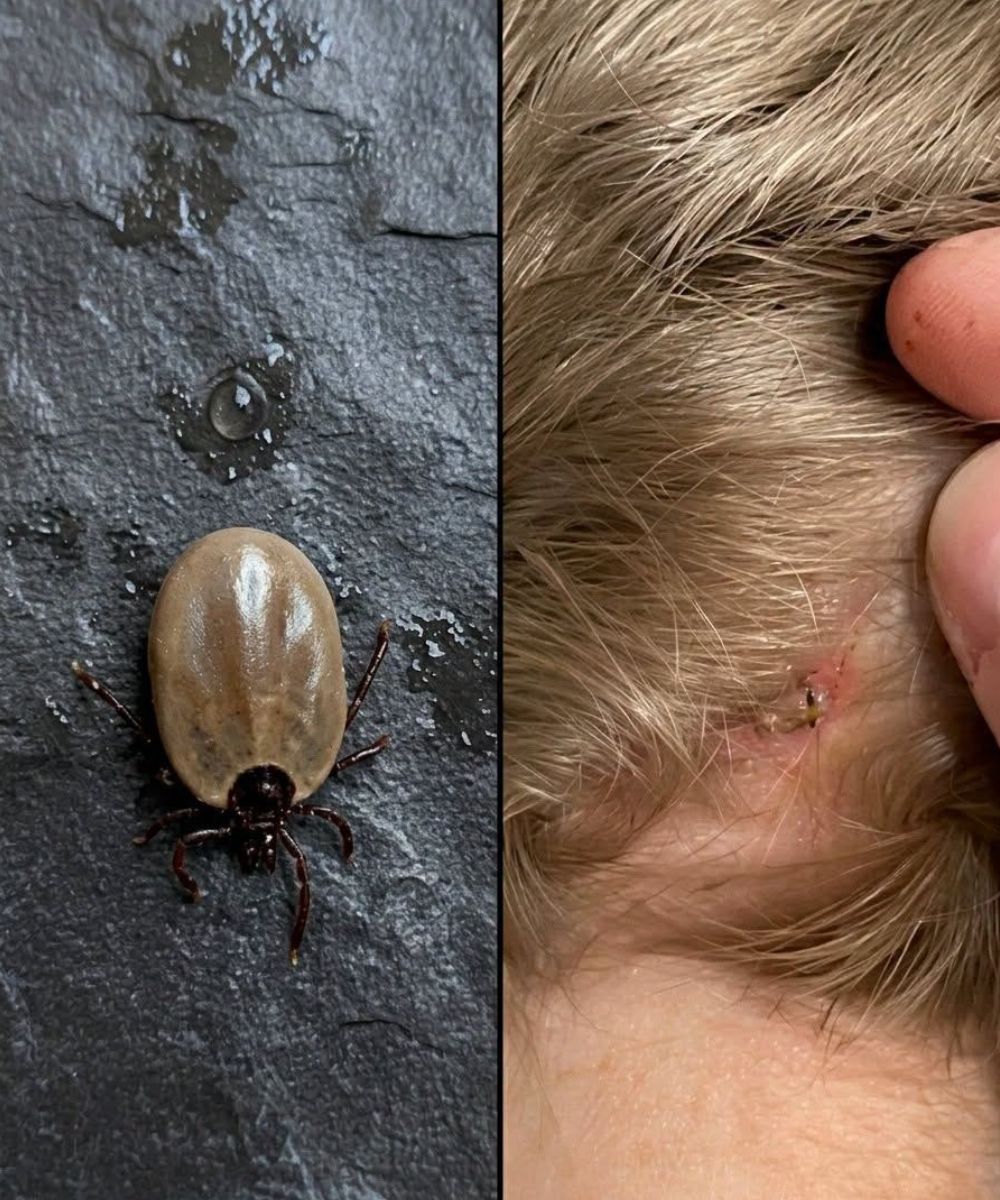
Why Ticks Can Be a Concern
The main concern with ticks is not usually the bite itself, but the possibility that some ticks may carry bacteria or other germs.
In some cases, ticks can spread illnesses such as:
- Lyme Disease
- Rocky Mountain Spotted Fever
- Ehrlichiosis
- Anaplasmosis
Not every tick carries disease, but it is still important to remove ticks promptly and monitor for symptoms afterward.
Common Symptoms After a Tick Bite
A small red bump or mild irritation around the bite area can be normal.
However, parents should watch for symptoms such as:
- Fever
- Headache
- Fatigue
- Muscle or joint pain
- Swollen lymph nodes
- Expanding rash
- Flu-like symptoms
If unusual symptoms develop after a tick bite, it is a good idea to contact a healthcare professional.
How To Remove a Tick Safely
Experts generally recommend using fine-tipped tweezers.
Steps include:
- Grasp the tick as close to the skin as possible
- Pull upward slowly and steadily
- Avoid twisting or crushing the tick
- Clean the area afterward with soap and water or rubbing alcohol
- Wash your hands thoroughly
It may also help to save the tick in a sealed container in case medical identification becomes necessary later.
When To Seek Medical Advice
You should contact a healthcare professional if:
- The bite area becomes increasingly swollen or painful
- A rash spreads
- Fever develops
- Your child experiences weakness or unusual symptoms
Prompt attention can help address concerns early.
Tips To Help Prevent Tick Bites
Parents can reduce the risk of tick exposure by:
- Avoiding tall grass when possible
- Wearing long sleeves and pants outdoors
- Checking children carefully after outdoor activities
- Inspecting pets regularly
- Looking closely at the scalp, behind ears, underarms, and behind knees
Regular checks are especially important after hiking, camping, or playing outdoors.
Final Thoughts
Finding a tick can feel stressful, especially when it involves a child. But staying calm, removing the tick safely, and monitoring for symptoms are usually the most important first steps.
Awareness and early action can help families stay safe while continuing to enjoy outdoor activities with confidence.