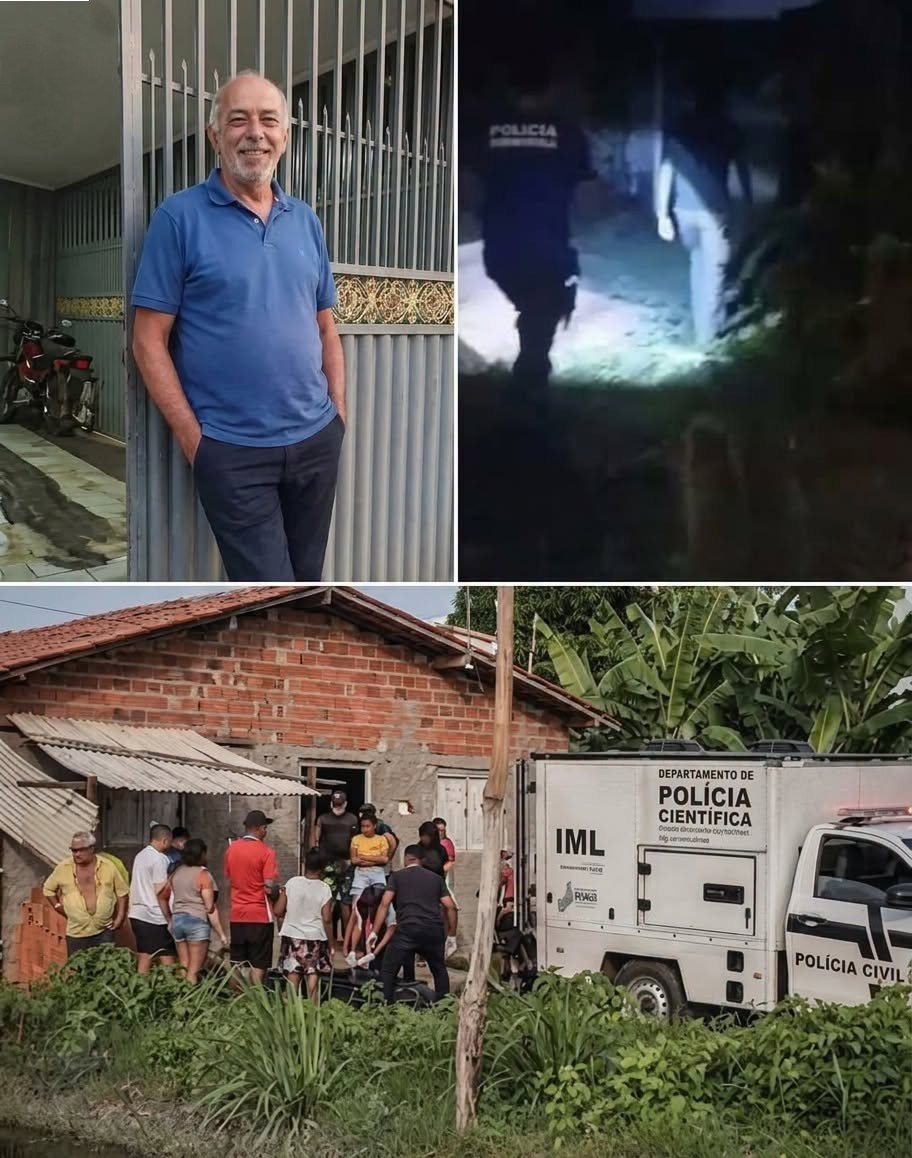
For his family, however, the discovery is much more than another development in a case file.
It is the painful confirmation that the person they had spent months hoping to find alive is gone.
That kind of loss can be especially difficult because grief arrives alongside unanswered questions. There may be no simple explanation for what happened, no immediate sense of closure, and no easy way to reconcile ordinary memories with such a disturbing ending.
Relatives may replay the last conversations they had with him. Friends may wonder whether they noticed something unusual. Investigators, meanwhile, must separate verified evidence from speculation as they work toward a clearer picture of his final days.
Authorities may also be relying on the public for information.
Someone could have noticed an unfamiliar vehicle. Someone may remember seeing the man during the period after his disappearance. Another person might possess a piece of information that seemed insignificant at the time but could become meaningful when combined with other evidence.
That is why investigators often encourage people to report credible information rather than attempting to solve a case through online rumors.
For the family, every legitimate lead represents a possibility—not necessarily of bringing him home, but of finally understanding what happened.
Seven months of uncertainty have already changed their lives. Now they face the difficult process of mourning while waiting for answers.
His disappearance may have started with silence, but his story does not have to end there. Evidence, witnesses, and careful investigation can still help bring clarity.
What do you think communities can do to help families of missing people keep cases from being forgotten? Share your thoughts respectfully, and always direct credible information to investigators rather than spreading unverified claims.