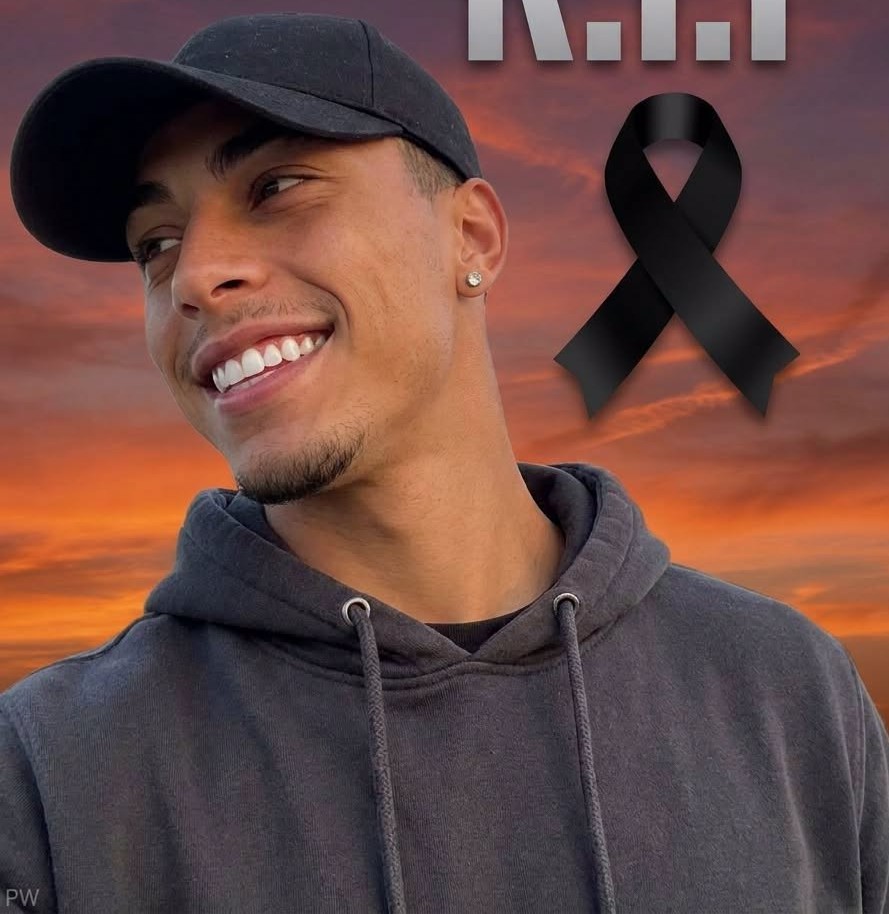
When someone becomes seriously ill, the public often knows only a small portion of what is happening. Medical details may remain private, and families understandably deserve space to process difficult circumstances away from cameras and social media.
That distinction matters.
A dramatic headline can create the impression that everyone knows exactly what happened, when the reality may be much more complicated. Respecting the family’s privacy is especially important during a period of grief.
A Wave of Remembrance
Following the reported death, memories began circulating among fans and fellow artists.
People returned to the songs, performances, interviews, and moments that had made his career meaningful. Some remembered discovering his work when they were young. Others described how his music helped them through difficult periods.
That is one of the unusual qualities of a creative legacy: it can continue developing after the creator is gone.
A recording does not disappear when its performer dies. A message can still reach someone decades later. A piece of art can introduce an entirely new generation to the person who created it.
The Final Message
Stories surrounding a person’s final words often attract enormous attention, but they should be handled carefully.
Unless a message has been authentically released or confirmed by the family or another reliable source, it is better to treat claims about “final messages” cautiously. Grief can create an environment where rumors quickly become indistinguishable from documented facts.
What can be said with greater certainty is that people naturally search for meaning after a major loss. They revisit old words and familiar performances because those memories provide a way to remain connected.
What Remains
No tribute can completely capture a person’s life.
There are the public accomplishments, but there are also private relationships, friendships, mistakes, ordinary days, and countless moments that audiences will never know about.
That is why a meaningful legacy should be measured by more than awards, headlines, or statistics.
It can also be found in the people who were encouraged, the listeners who found comfort, the causes that gained attention, and the memories created along the way.
The sadness of losing a familiar voice does not erase everything that came before.
His work remains available to those who loved it, while new listeners may continue discovering it for years to come. In that sense, a creative legacy does not end on the day its creator dies.
The public chapter may close, but the work continues to speak.
And perhaps that is the gentlest way to remember someone whose life touched so many others: not by pretending the loss does not hurt, but by recognizing that what they gave the world can continue long after they are gone.