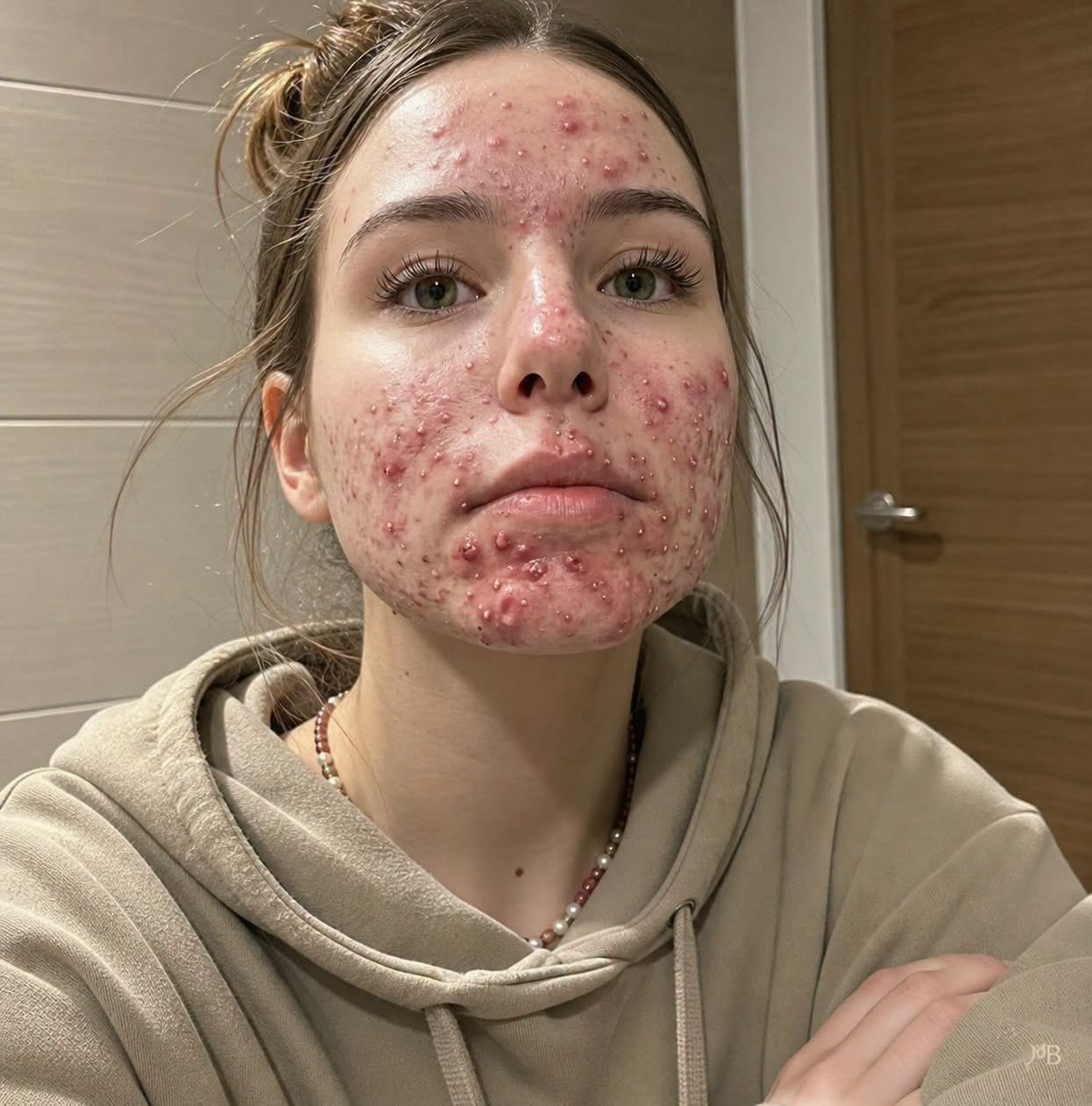
Some medical conditions, including polycystic ovary syndrome (PCOS), can also be associated with acne and other symptoms. Persistent or sudden changes in the skin should be discussed with a qualified healthcare professional, particularly if they occur alongside other noticeable symptoms.
Stress and Daily Habits
Stress does not affect everyone’s skin in the same way, but it may contribute to acne flare-ups in some individuals. Maintaining regular sleep, managing stress where possible, and following a consistent skincare routine can support overall skin health.
Everyday habits may also play a part. Makeup, skincare products, and hair products that do not suit your skin type can sometimes contribute to clogged pores. Regularly cleaning items that come into contact with the face, such as pillowcases and mobile phones, may also be a useful part of a general hygiene routine.
Diet and Acne: A Complex Relationship
The relationship between diet and acne is still an area of ongoing research. Some people notice that certain foods appear to affect their skin, while others do not experience the same pattern.
Rather than assuming that a specific food is the cause, it may be helpful to pay attention to personal patterns and discuss significant dietary changes with a healthcare professional or registered dietitian when appropriate.
A Gentle Approach to Skincare
A simple and consistent routine is often easier to maintain than an aggressive approach. Consider:
- Using a mild cleanser suited to your skin type.
- Avoiding excessive scrubbing or harsh products that may irritate the skin.
- Choosing cosmetics and skincare products labeled as non-comedogenic when appropriate.
- Introducing new products gradually to help identify potential sources of irritation.
- Following product directions carefully.
Some over-the-counter acne treatments may be helpful for certain people, but results can vary. If you are unsure which products are appropriate for your skin, a pharmacist, dermatologist, or other qualified healthcare professional can provide guidance.
When to Seek Professional Advice
Consider speaking with a healthcare professional if acne is persistent, severe, painful, suddenly changes, or causes significant distress. A professional can help assess possible contributing factors and discuss treatment options based on your individual circumstances.
The Bottom Line
Chin acne is not always caused by a single hidden trigger. Hormonal changes, stress, skincare habits, product choices, and other individual factors may all play a role.
The most practical approach is to observe patterns, keep your routine gentle and consistent, and avoid making assumptions based on dramatic claims or one-size-fits-all advice. With appropriate care and professional guidance when needed, many people are able to find an approach that works for their skin.