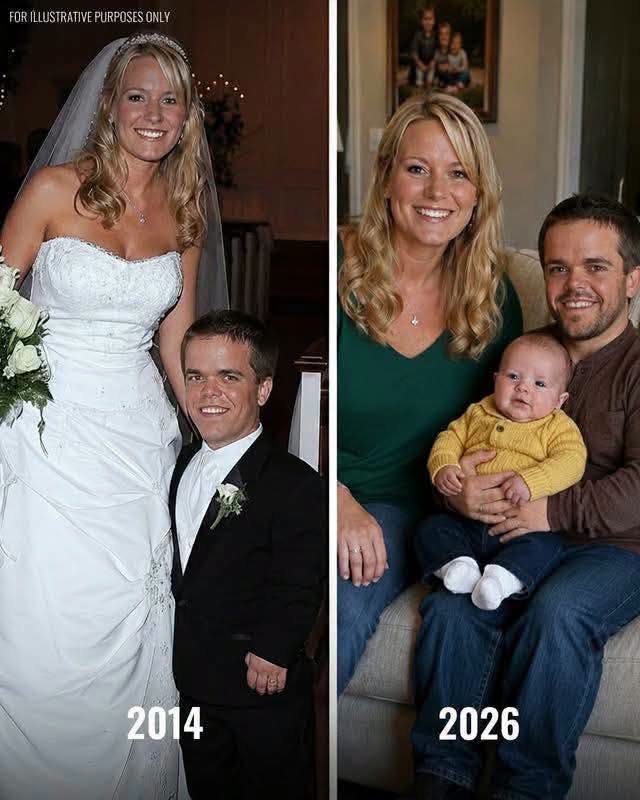
My mother’s hand froze in midair.
“I never said it was,” she replied.
Jordan gave her a quiet look.
“No. You didn’t have to.”
I could see the old anger returning to my mother’s face.
My father cleared his throat.
“We’re in a difficult situation, Jordan. We wouldn’t have come here if we had another option.”
“I understand,” Jordan said.
“And we’ll pay you back.”
“I believe you intend to.”
My mother finally reached for the check again.
Jordan held it firmly.
“But there is one thing I need from you first.”
“What?” my father asked impatiently.
Jordan glanced at me.
Then he looked back at them.
“You need to apologize to my wife.”
My mother blinked.
“To you?”
“No,” Jordan said. “To her.”
My father frowned.
“She wasn’t the one you insulted.”
Jordan’s expression barely changed.
“That’s exactly why.”
For twelve years, I had watched my husband absorb comments that would have made most people explode. He never demanded that I choose between him and my parents. He never asked me to cut them off.
He simply watched me make my own decisions.
And eventually, I had chosen distance.
My mother sat back in her chair.
“We came here because we need help,” she said. “Not to be humiliated.”
Jordan nodded.
“I’m not trying to humiliate you. I’m asking you to take responsibility.”
My father looked at me.
“Is this what you want?”
The question caught me off guard.
For years, I had imagined what I would say if my parents ever acknowledged what they had done.
I had imagined shouting.
I had imagined listing every cruel remark.
I had imagined telling them that they had lost the right to call themselves my parents.
But sitting there, looking at them, I realized I didn’t want revenge.
I wanted them to finally understand.
“Yes,” I said quietly. “I want an apology.”
My mother looked down at her hands.
For several seconds, nobody spoke.
Then she whispered, “I’m sorry.”
Jordan didn’t move.
My mother looked at me.
“I’m sorry for the things I said about Jordan.”
I felt something tighten in my chest.
It wasn’t enough.
She continued.
“I was ashamed of things I should never have been ashamed of. I cared too much about what other people might think. I judged him because of his height, and I treated him as though that made him less capable.”
Her voice cracked.
“And I treated you badly because you chose him.”
I swallowed hard.
My father remained silent.
Jordan turned toward him.
My father sighed.
“I owe you an apology too.”
Jordan waited.
My father looked uncomfortable, as though the words were physically difficult to say.
“I made jokes about you. At the wedding. After the wedding. I told myself they were jokes because admitting they were cruel would have meant admitting something about myself.”
Jordan’s face softened slightly.
“I appreciate you saying that.”
My father nodded.
Then he looked at me.
“And I’m sorry for making you feel like you had to defend your marriage every time you came home.”
That was the sentence that broke me.
I looked away, trying not to cry.
Jordan finally placed the check on the table.
“You can take it.”
My mother stared at him.
“You’re really giving us the money?”
“Yes.”
My father looked stunned.
“Even after everything?”
Jordan smiled faintly.
“I’m not giving you this because you finally respect me. And I’m certainly not doing it because I’ve forgotten what happened.”
He pushed the check toward them.
“I’m doing it because you need help, and I have the ability to help.”
My mother picked up the check with trembling fingers.
But Jordan wasn’t finished.
“There’s another condition.”
My father stared at him.
“What now?”
Jordan leaned back.
“This is a loan.”
My mother looked relieved.
“Of course.”
“No interest,” Jordan said. “And no rush. But you will repay it.”
My father nodded.
“That’s fair.”
“And one more thing.”
They waited.
“If you ever find yourselves in a position where someone needs help and you have the ability to give it, remember how this felt.”
My father looked at him for a long moment.
Then he nodded.
“I will.”
My parents left about twenty minutes later.
The house felt strangely quiet after the door closed.
I turned to Jordan.
“You didn’t have to do that.”
“I know.”
“You could have told them no.”
“I know.”
“Why didn’t you?”
He walked over and took my hand.
“Because I don’t want their cruelty to turn me into someone I don’t recognize.”
I stared at him.
He shrugged.
“And because you were hurting too.”
That was when I finally cried.
Not because my parents had asked for money.
Not even because they had apologized.
I cried because after twelve years, Jordan had once again shown me that strength wasn’t always about fighting back.
Sometimes it was about refusing to let someone else’s prejudice dictate who you became.
Six Months Later
I didn’t expect the next part.
My parents actually repaid the first $5,000 six months later.
My father included a handwritten note.
“We are learning that dignity isn’t determined by appearance, wealth, or status. We should have learned it much earlier.”
Their business eventually recovered, although it never returned to the extravagant lifestyle they once enjoyed.
Oddly enough, that seemed to change them.
My mother began volunteering with a community organization that supported families raising children with disabilities.
At first, I was skeptical.
I wondered whether it was simply another attempt to make herself feel better.
But over time, I saw something different.
She was learning.
Not perfectly.
Not quickly.
But sincerely.
One evening, she called me and asked whether Jordan would be willing to speak at a local architecture event.
“He doesn’t have to,” she said quickly. “I just thought people might benefit from hearing about his work.”
I smiled.
“Did you just say you think people could learn something from Jordan?”
There was a long pause.
“Yes,” she said.
Then she laughed nervously.
“I suppose I’ve finally figured out what you knew twelve years ago.”
“What?”
“That I was measuring the wrong thing.”
I didn’t answer.
She continued.
“I kept looking at how tall he was.”
Her voice became softer.
“You were looking at how big his heart was.”
I closed my eyes.
For years, I had wanted my parents to understand that my husband wasn’t defined by his stature.
But I eventually realized something even more important.
Jordan didn’t need their approval to prove his worth.
He had already built a life that spoke for itself.
He had become a successful architect.
He had built a home where I felt loved.
He had helped people without expecting recognition.
And when the same people who once mocked him came to his door in desperation, he had chosen compassion without surrendering his dignity.
The $20,000 check changed my parents’ circumstances.
But the lesson behind it changed all of us.
Sometimes people don’t understand your value until they need something from you.
And sometimes the most powerful response isn’t to remind them how wrong they were.
It’s to show them, quietly and unmistakably, that their judgment never had the power to define you.