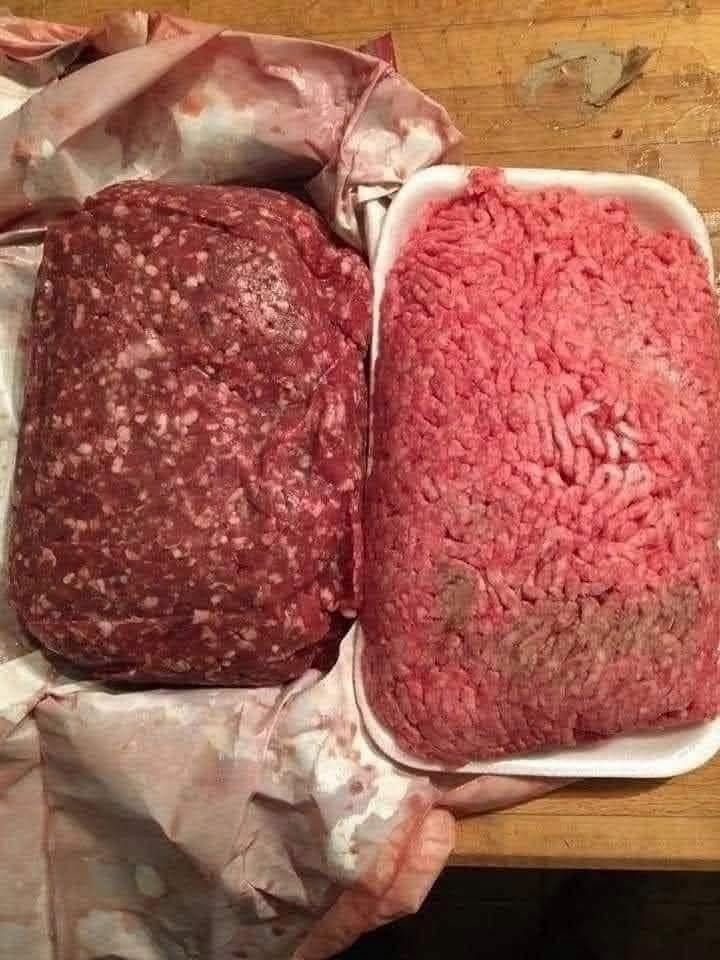
From Farm to Supermarket
Most meat sold through large retailers comes from organized agricultural and processing systems designed to produce consistent quantities throughout the year.
Depending on the type of meat and the producer, animals may be raised in different environments and under different farming standards. Some operations focus on efficiency and scale, while others emphasize pasture access, slower-growing breeds, organic certification, or particular animal-welfare practices.
This is why it’s important not to assume that every package of meat comes from the same type of farm.
Why the Meat Looks So Uniform
Have you ever noticed how similar many supermarket cuts look?
Consistency is important for large retailers. Processing facilities use standardized methods to divide carcasses into familiar cuts and prepare them for packaging. Modern equipment allows large quantities of meat to be processed efficiently while maintaining consistent portion sizes.
The result is convenient for shoppers, but the appearance of the final product doesn’t necessarily tell you much about how the animal was raised.
What Does “Fresh” Really Mean?
Words such as “fresh,” “premium,” or “farm” can sound reassuring, but consumers should look beyond marketing language.
The most useful information is usually found on the actual product label. Depending on the country and product, shoppers may find information about the origin, production method, certification, ingredients, storage requirements, or whether the product has been previously frozen.
When a particular farming claim matters to you, look for a recognized certification or clear information from the producer rather than relying solely on promotional wording.
Processing and Packaging
After animals are processed at approved facilities, meat is inspected and prepared for distribution. Refrigeration and other preservation methods help maintain product quality and food safety during transportation and storage.
Some products may also contain added ingredients or water, depending on the type of meat and how it has been prepared. This information should be reflected in the ingredient and nutrition labeling.
Reading the label can therefore tell you considerably more than the picture on the front of the package.
Does More Expensive Mean Better?
Not necessarily.
A higher price can reflect many factors, including the cut of meat, production costs, certification, breed, farming practices, aging, packaging, or simply the retailer’s pricing strategy.
Likewise, a lower-priced product isn’t automatically inferior. For many families, affordability is an important part of making practical food choices.
The best approach is to compare products according to the qualities that matter most to you.
How to Make a More Informed Choice
Before putting a package of meat into your cart, consider checking:
- Country or region of origin
- Production and farming claims
- Independent certifications
- Ingredient information
- Use-by or best-before dates
- Storage instructions
- Nutrition information
- Whether the product has been processed or prepared
If animal welfare or environmental impact is important to you, look for credible certifications and information about the producer’s farming practices.
If taste is your priority, you may want to compare different cuts, breeds, aging methods, or sources rather than judging quality solely by price.
The Bottom Line
The supermarket meat aisle is the final step in a much larger food-production system. Behind every package are farmers, processors, transport companies, inspectors, retailers, and food-safety procedures.
There is no single story that applies to every piece of supermarket meat. Production methods vary considerably by animal, producer, country, and certification.
Instead of assuming that attractive packaging tells the whole story, take a moment to read the label and investigate the claims that matter to you. A little extra information can help you choose meat based on facts rather than marketing alone.