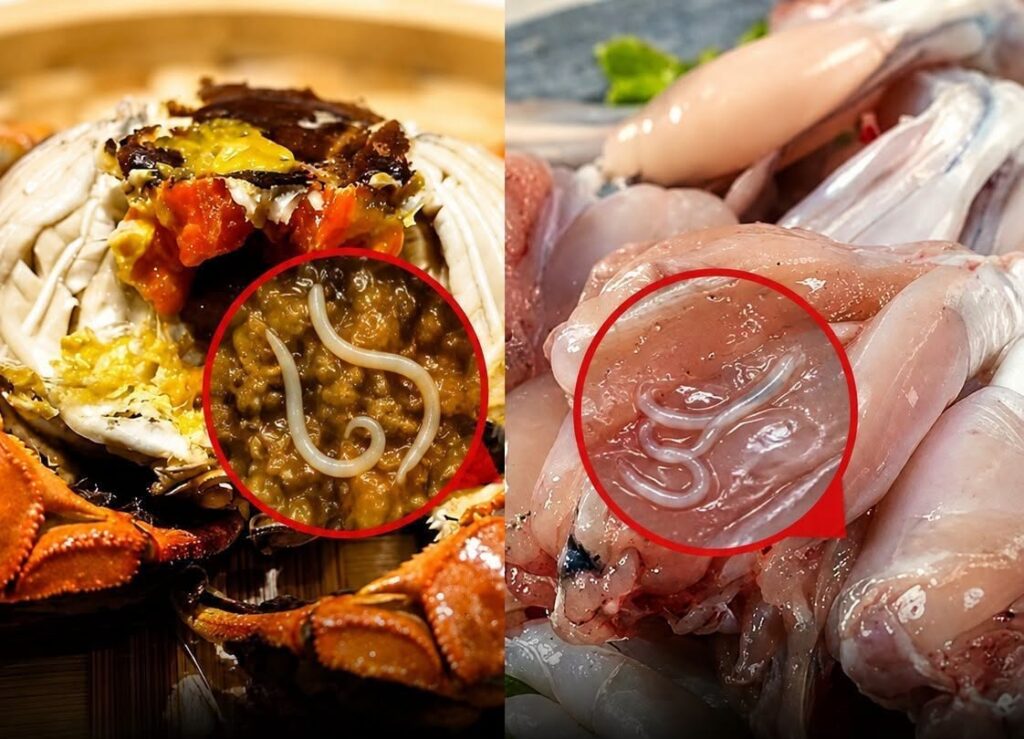
Food is one of life’s great pleasures, and enjoying a varied diet can be part of a healthy lifestyle. At the same time, food safety is an important consideration when preparing and eating certain foods.
While people often focus on calories, sugar, protein, and nutrition labels, it is also worth paying attention to how food is sourced, stored, prepared, and cooked. Some foods may carry parasites or other harmful microorganisms if they are contaminated, improperly handled, or not cooked adequately.
The good news is that there is usually no need to avoid these foods altogether. By choosing reliable sources and following basic food-safety practices, you can help reduce the risk of foodborne illness.
Raw or Undercooked Fish
Raw fish is enjoyed in dishes such as sushi and sashimi, but certain types of raw or undercooked fish can carry parasites.
Food-safety measures, including appropriate sourcing and parasite-control methods such as freezing when applicable, can help reduce the risk. When eating raw fish, choose reputable restaurants and suppliers that follow established food-safety practices.
If you prepare fish at home, follow current guidance from trusted food-safety authorities on purchasing, storing, freezing, and preparing fish intended to be eaten raw or undercooked.
Frog Meat
Frog meat is eaten in a number of cuisines around the world. However, raw or undercooked frog meat may carry parasites or other microorganisms that can cause illness.
Thorough cooking is an important way to reduce the risk. Purchase frog meat from reputable suppliers and prepare it carefully according to food-safety recommendations.
As with other raw animal products, good kitchen hygiene is also important. Wash your hands after handling raw meat and keep raw ingredients separate from ready-to-eat foods.
Snails
Keep reading…