There was a time when changing an oil filter could feel like a battle.
Mechanics would crawl beneath vehicles, reach into cramped engine compartments, and wrestle with filters that seemed determined never to move. Oil, heat, limited space, and years of accumulated grime could turn a routine maintenance job into a frustrating test of patience.
Then came a deceptively simple solution.
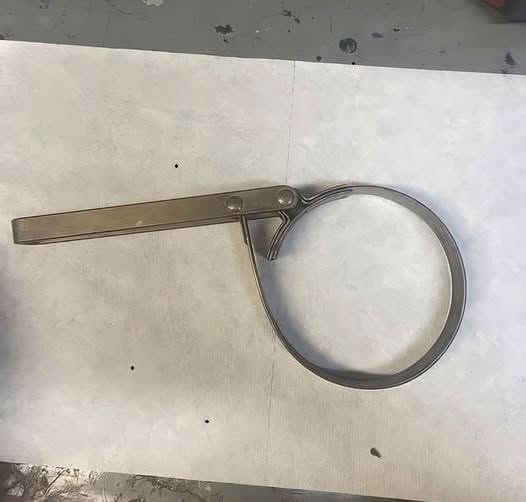
The oil filter wrench may not look like the most impressive tool in a mechanic’s toolbox, but its impact on everyday engine maintenance has been significant. What began with basic chains and straps eventually developed into an entire family of specialized tools designed to make stubborn filters easier to remove.
Before these tools became commonplace, mechanics often relied on whatever method they could find. A smooth, oil-coated filter could be extremely difficult to grip by hand, particularly when it had been tightened too firmly or remained in place for too long.
The basic principle behind the early oil filter wrench was straightforward: create a stronger grip and generate more leverage.
Chain-style designs wrapped around the filter and tightened as force was applied. Strap wrenches used a similar concept, allowing the tool to grip the cylindrical filter without relying entirely on the mechanic’s hand strength.
Keep reading…