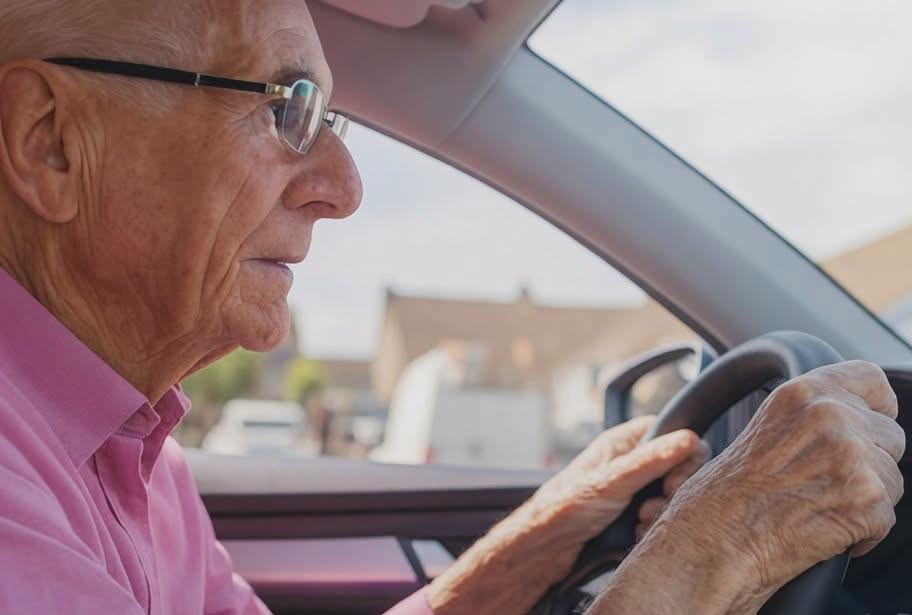
The impact was sudden. The questions that followed were even harder.
When an 83-year-old driver reportedly traveled the wrong way and struck a group of children riding bicycles, a deeply uncomfortable conversation moved into the public spotlight: when does driving become too risky, and who should decide when it is time to stop?
For families, the question can feel almost impossible.
Driving represents independence. It means being able to visit friends, attend appointments, shop for groceries, and maintain a familiar routine without relying on someone else. Asking an older parent or grandparent to give up the keys can therefore feel less like a safety conversation and more like taking away a piece of their freedom.
But roads do not adjust for age.
Vision can change over time. Reaction speed may become slower. Stiffness or reduced mobility can make sudden movements more difficult, while busy intersections, unfamiliar routes, and rapidly changing traffic conditions can demand more attention than they once did.
None of that means every older driver is unsafe.
Age alone cannot tell us whether someone should continue driving. What matters is the individual’s ability to see clearly, respond appropriately, recognize hazards, make sound decisions, and remain physically capable behind the wheel.
Keep reading…