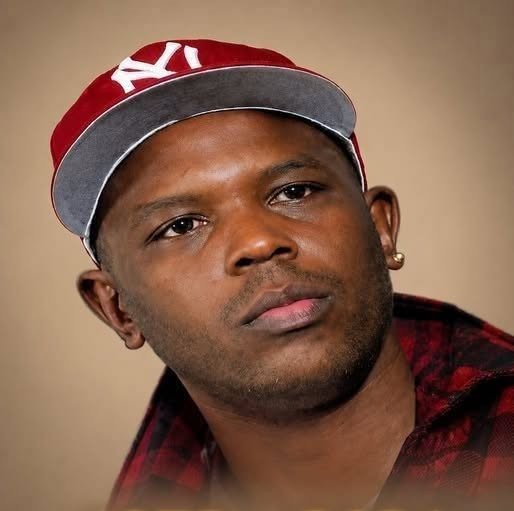
When people talk about the rise of Wu-Tang Clan, the spotlight naturally falls on the legendary artists who delivered the music. But behind one of hip-hop’s most influential collectives were also people whose work happened away from the microphone—building strategy, protecting the vision, and turning creativity into something that could last.
Oliver “Power” Grant was one of those people.
As Wu-Tang Clan emerged in the early 1990s, the group was doing something different. Rather than following the traditional path of individual artists competing for attention, Wu-Tang developed a collective identity that allowed its members to build something much larger than a single recording career.
Grant understood the potential of that approach.
Working alongside artists including Method Man and GZA, he helped support a philosophy centered on creativity, independence, and long-term thinking. The goal was not simply to make successful records. It was to create an ecosystem around the music—one capable of reaching audiences through entertainment, fashion, business, and culture.
That entrepreneurial mindset became particularly visible through Wu Wear.
Keep reading…