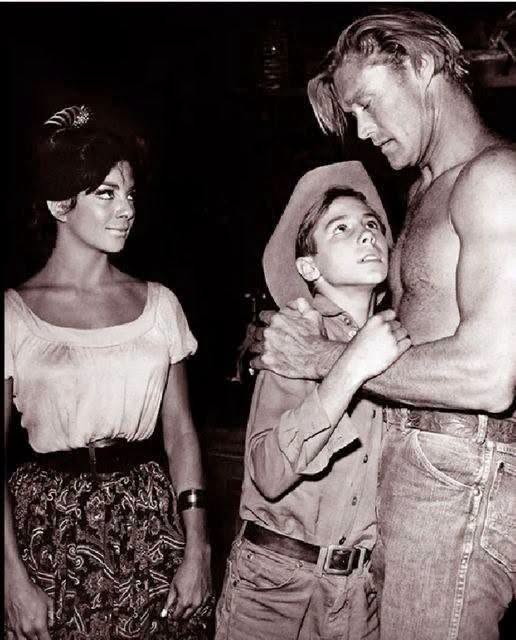
The Rifleman Wasn’t as Perfect as We Remember — What Happened Behind the Scenes
For generations, The Rifleman has been remembered as one of television’s most wholesome Westerns—a story built around the strong bond between Lucas McCain and his young son, Mark. The show presented a world of clear values, family loyalty, courage, and frontier justice.
But behind that polished image was a production filled with imperfections, historical liberties, creative disagreements, and moments that never made it into the final episodes.
Fans saw Lucas and Mark as an inseparable father-son team. What they didn’t see was everything happening beyond the camera.
The Western Image Was Carefully Constructed
When The Rifleman premiered, audiences were drawn to its combination of action and family drama. Lucas wasn’t simply another gunslinger. He was a father trying to raise his son while navigating the dangers of frontier life.
That distinction helped make the series stand out.
Yet television Westerns were never completely accurate representations of the Old West. Costumes, dialogue, weapons, technology, and everyday details could be adjusted for entertainment. The Rifleman was no exception.
Some scenes worked because they felt authentic, even when the historical details weren’t always perfect.
And sometimes, what looked completely natural on screen required considerable work behind the scenes.
Lucas McCain Was More Than a Television Cowboy
Chuck Connors gave Lucas McCain a presence that helped define the series. His character was tough when necessary but also protective and thoughtful when dealing with Mark.
That balance became one of the show’s greatest strengths.
The relationship between Lucas and Mark gave viewers something more meaningful than another weekly Western shootout. It created an emotional center that kept audiences returning.
But maintaining that image wasn’t always effortless.
Like any long-running production, the series involved demanding schedules, creative decisions, and the ordinary pressures of working in television. What viewers experienced as a smooth story was the result of countless decisions made before the cameras ever rolled.
Continue reading..