
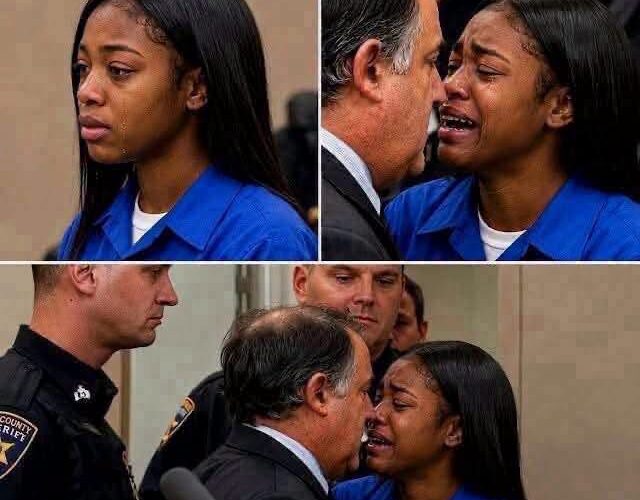

The question becomes especially complicated when a sentence spans decades.
A very long prison term can provide a sense of finality for some families and reflect the seriousness with which the justice system views the offense. At the same time, critics of lengthy sentences for juveniles often point to rehabilitation and the possibility of personal development as important considerations.
There is no simple answer that can erase the harm suffered by victims or resolve every concern about juvenile justice.
What makes these cases so difficult is that two realities exist at the same time: the consequences of the crime can be permanent, while a teenager’s development is not necessarily finished.
That tension sits at the heart of the debate over how society should respond when a young person commits an exceptionally serious offense.
Ultimately, discussions about juvenile sentencing involve more than the length of a prison term. They also raise broader questions about accountability, rehabilitation, public safety, victims’ rights, and how the justice system should respond to people who commit serious crimes before reaching adulthood.