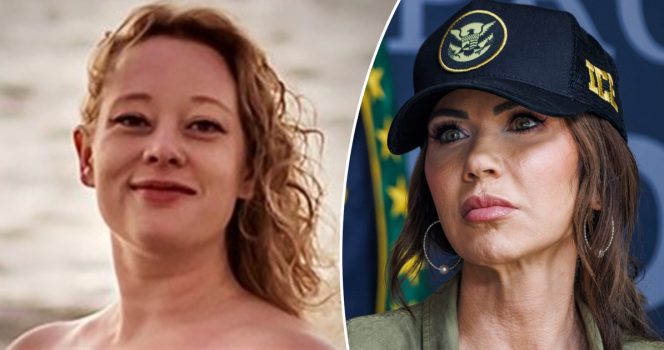
Former President Donald Trump weighed in on the incident through a post on Truth Social after viewing the video. While describing the footage as “horrible to watch,” Trump placed responsibility for the outcome on those involved in the confrontation rather than the ICE officer.
According to Trump, the situation involved disorderly conduct and obstruction, claiming the ICE agent acted in self-defense. He argued that law enforcement officers are increasingly under threat and framed the incident as part of a broader pattern of hostility toward federal agents.
Trump later expanded on his comments in an interview, reiterating that the encounter was chaotic and insisting the officer’s actions were justified based on what he observed in the footage.
Kristi Noem: Justified, Yet Avoidable
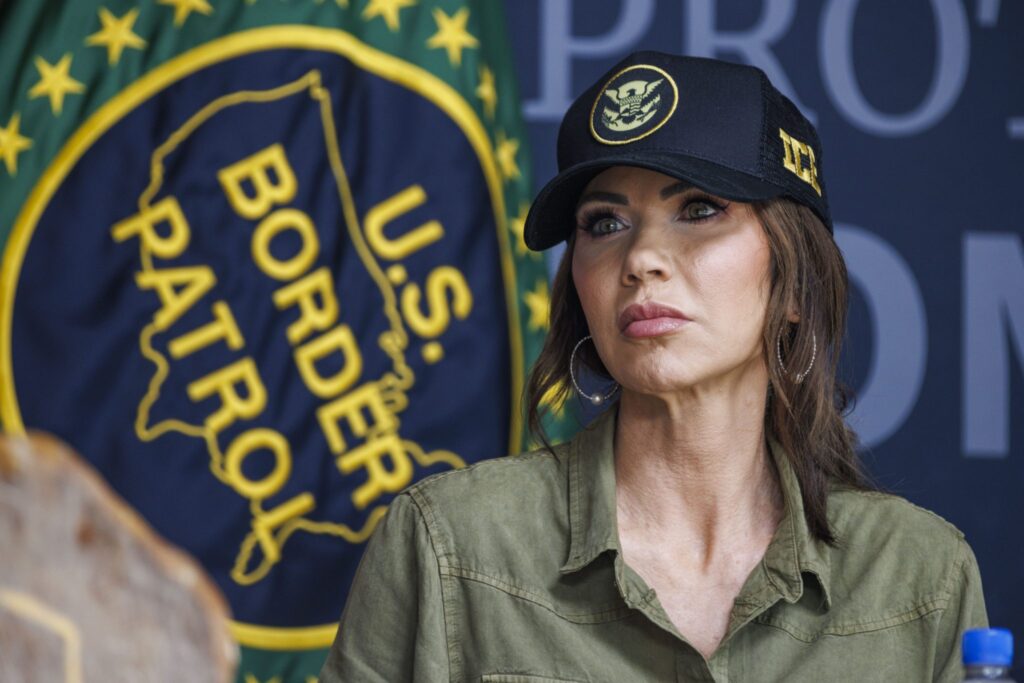
At a subsequent press conference, Homeland Security Secretary Kristi Noem defended the ICE agent, stating that the officer followed established training and procedures. She claimed Good had repeatedly interfered with officers and that the shooting occurred after an officer believed he was in imminent danger.
Despite this defense, Noem made a notable concession.
“Any loss of life is a tragedy,” she said, adding that the situation was “preventable.” Her statement has drawn attention, as it suggests that while protocol may have been followed, alternative outcomes could have existed.
The acknowledgment has intensified calls for further investigation into ICE engagement practices and the circumstances that lead to the use of lethal force.
Public Scrutiny Grows
As federal authorities review the incident, public reaction remains sharply divided. Supporters of law enforcement argue officers must be able to protect themselves during volatile encounters, while critics question whether de-escalation was adequately attempted and whether enforcement strategies contributed to unnecessary risk.
The case has become a flashpoint in broader discussions about immigration enforcement, police accountability, and the balance between officer safety and civilian lives.
What’s your perspective on this case?
Was the outcome unavoidable, or should policies change to prevent tragedies like this? Share your thoughts and join the conversation.