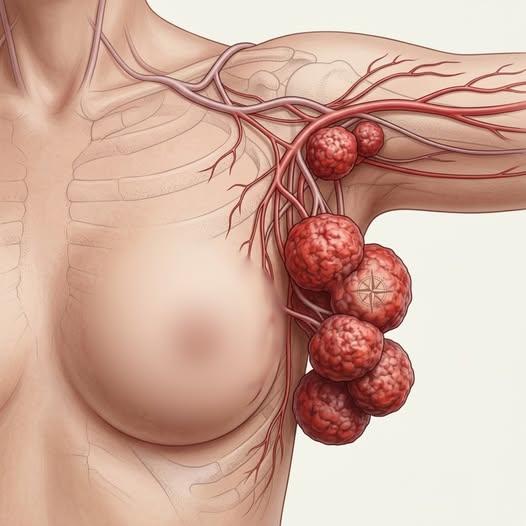
Breast cancer awareness continues to be an important global health topic, especially as medical experts emphasize the life-saving value of early detection and preventive healthcare. In the United States, breast cancer affects approximately 1 in 8 women during their lifetime, making regular screenings and self-checks an essential part of women’s health and wellness.
Why Early Detection Matters
Doctors consistently stress that identifying breast cancer in its early stages can dramatically improve treatment outcomes. When cancer is detected before spreading beyond the breast tissue, survival rates are significantly higher, and treatment options are often less aggressive.
That’s why healthcare providers encourage women to stay informed about common warning signs and schedule regular breast health screenings, including mammograms and clinical exams.
Below are four early breast cancer symptoms every woman should know about.
1. Breast Lumps or Unusual Thickening
One of the most recognized signs of breast cancer is the appearance of a lump or hardened area within the breast tissue.
While not every lump is cancerous, any new or unusual change should be evaluated by a medical professional. Many experts recommend that women begin becoming familiar with their breast tissue in their 20s and discuss mammogram schedules with their healthcare provider starting around age 40, depending on personal risk factors and family history.
Monthly Self-Exams Can Help
Performing a monthly breast self-exam may help identify changes earlier. During a self-check, women should look for:
- Hard or irregular lumps
- Thickened breast tissue
- Changes in shape or contour
- Areas that feel different from surrounding tissue
If anything unusual is noticed, a doctor may recommend diagnostic imaging such as an ultrasound or mammogram.
2. Sudden Breast Swelling or Size Changes
Noticeable swelling or rapid changes in breast size can also be an early warning sign.
Although hormonal fluctuations can naturally cause temporary changes, persistent swelling or one breast becoming noticeably larger than the other may indicate inflammation or underlying tissue changes that should not be ignored.
Women should monitor for:
- Sudden fullness in one breast
- Swelling that does not improve
- Tenderness combined with visible enlargement
- Significant asymmetry that develops quickly
Consulting a healthcare provider can help determine whether additional testing is necessary.
continue reading on the next page…