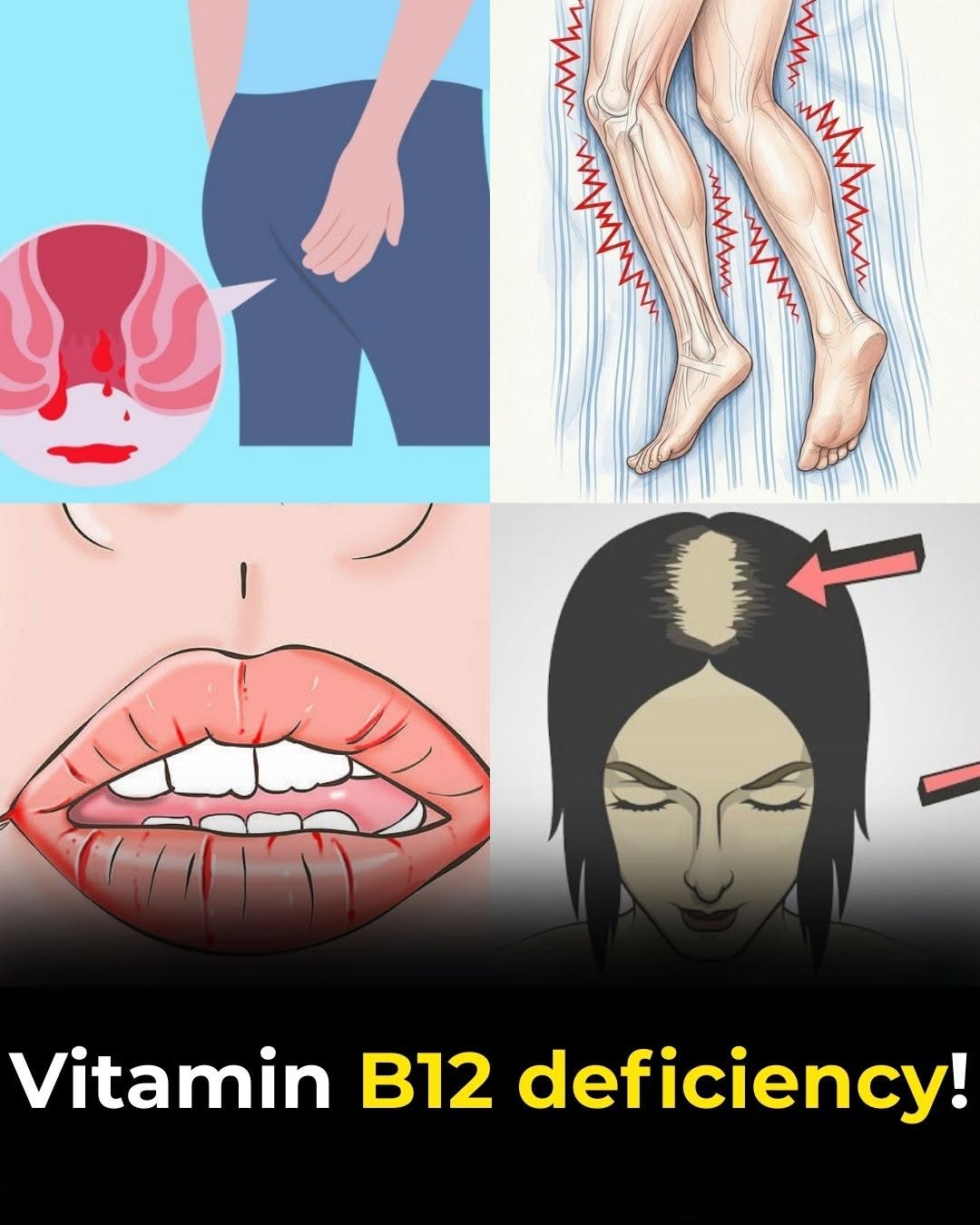
2. Tingling in the hands or feet. A pins-and-needles feeling that keeps coming back can be linked to nerve irritation or damage. Low B12 is one possible cause of peripheral neuropathy, especially when the deficiency continues for a long time.
3. Deep fatigue that does not improve with rest. B12 is needed to make healthy red blood cells, which help carry oxygen through the body. When that process is disrupted, tiredness can feel unusually heavy and persistent.
4. Mood changes. Some people with low B12 report irritability, low mood, or anxiety-like feelings. B12 is involved in normal brain and nervous system function, so changes in mood can be part of the picture, though they can also have many other causes.
5. Pale or yellowish-looking skin. Changes in red blood cell production can sometimes affect skin tone. This is not something to diagnose by appearance alone, but it can be one clue when it appears with other symptoms.
6. A smooth, red, sore tongue. Glossitis, or inflammation of the tongue, can occur with B12 deficiency. It may make eating, drinking, or speaking uncomfortable.
7. Balance problems or clumsiness. B12 deficiency can affect nerve function in ways that influence coordination and body awareness. If you are tripping more often or feeling unsteady, it deserves medical attention, especially because falls can lead to injuries.
8. Vision changes in severe cases. The source material notes that severe deficiency can affect the optic nerve. Any new or worsening vision symptom should be checked promptly by a qualified medical professional.
What Readers Should Know
These symptoms do not automatically mean you have a vitamin B12 deficiency. Fatigue, mood changes, tingling, and balance problems can come from many conditions, including sleep disorders, thyroid issues, anemia, medication effects, diabetes-related nerve problems, or other health concerns.
That is why testing matters. If B12 deficiency is suspected, a healthcare provider may order blood work such as serum B12, methylmalonic acid, and homocysteine levels. The right tests can help separate a true deficiency from other possible causes.
Treatment depends on the person and the reason levels are low. Some people may be advised to use high-dose supplements or sublingual tablets. Others may need injections, especially when absorption is a concern. Diet changes may also help in some cases, including foods such as eggs, salmon, beef, or fortified cereals.
It is important not to start high-dose treatment as a substitute for medical guidance, especially if symptoms are neurological, worsening, or unexplained. Getting the right diagnosis can prevent wasted money on unnecessary supplements and, more importantly, can help identify health issues that need different care.
The Bigger Picture
Vitamin B12 deficiency is treatable, but it is often overlooked because the early signs can feel vague. For older adults, people following plant-based diets, and those with digestive absorption problems, paying attention to symptoms can be a practical part of preventive healthcare.
If your body keeps sending signals that something is off, do not dismiss them as “just getting older.” A simple conversation with your doctor may be the first step toward a clearer answer.