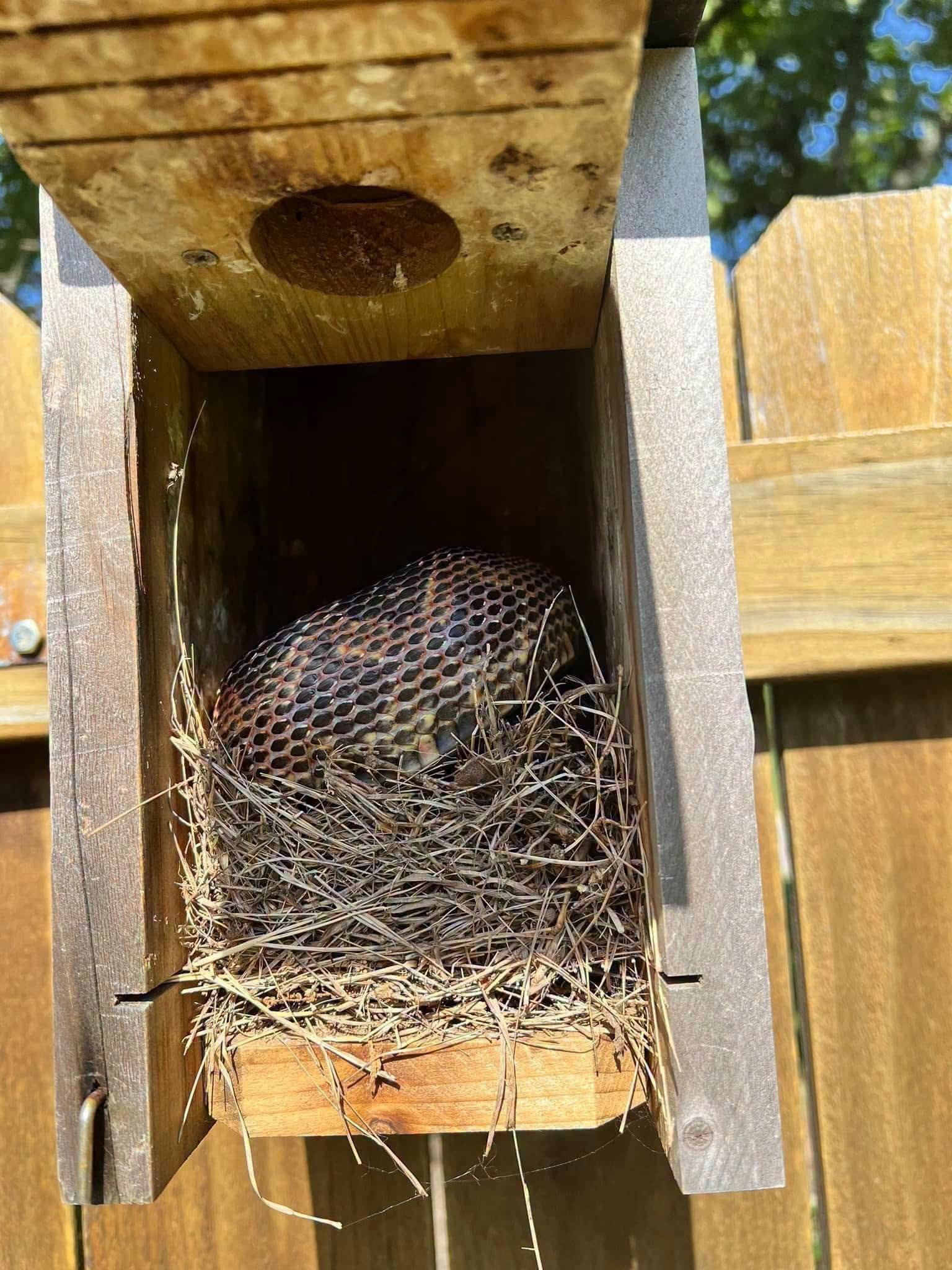
Finding a snake in your yard can be an uncomfortable surprise, especially during warm weather when snakes tend to be more active.
Although most snakes would rather avoid people—and many are beneficial because they prey on rodents and other small animals—it is understandable that homeowners may not want them living close to patios, play areas, or entrances.
Fortunately, you don’t need to harm snakes to discourage them from spending time around your property. In most cases, the best strategy is to remove the food, shelter, and easy hiding places that make a yard attractive to them.
Start With What May Be Attracting Snakes
Snakes don’t usually enter a yard because they are interested in the house itself. They are often looking for food, shelter, water, or a comfortable place to hide.
Rodents are particularly important. If mice or rats regularly visit your property, snakes that prey on them may eventually appear as well.
To make your yard less inviting, avoid leaving easily accessible food outside.
Clean up spilled birdseed beneath feeders, collect fallen fruit, keep garbage containers properly closed, and avoid leaving pet food outdoors overnight.
Compost can also attract rodents if it isn’t managed properly, so use a suitable container and keep the area around it clean.
Reducing rodent activity can address one of the reasons snakes may be visiting in the first place.
Remove Easy Hiding Places
Take a look around your yard from a snake’s perspective.
Tall grass, dense vegetation, piles of leaves, boards, rocks, unused equipment, and other clutter can provide protected places where snakes can remain hidden.
Regular lawn maintenance can make a significant difference.
Keep grass reasonably short, remove unnecessary weeds, trim overgrown vegetation, and clean up piles of leaves and garden debris.
Firewood deserves special attention as well. Instead of leaving logs scattered directly on the ground, keep firewood neatly stacked and, when practical, elevated.
The objective isn’t to remove every natural feature from your garden. It is simply to reduce the number of undisturbed hiding places immediately around your home.
Be Careful With Homemade Snake Repellents
The internet is full of homemade remedies that supposedly keep snakes away.
You may see recommendations involving citrus peels, lemongrass, cinnamon, cloves, garlic, vinegar, and various essential oils.
While strong scents are sometimes promoted as snake deterrents, homeowners shouldn’t assume that a homemade mixture will provide reliable protection.
A pleasant-smelling spray around a patio is not a substitute for removing rodents, clearing hiding places, and sealing openings around the house.
If you choose to use any commercial repellent or outdoor product, follow its label carefully—particularly if children or pets use the same area.
Seal Possible Entrances Into Your Home
Keeping snakes out of the yard completely can be difficult, especially if you live near fields, woodland, water, or other natural habitat.
Keeping them out of your house, however, is something you have much more control over.
Inspect the exterior of your home for small openings and damaged areas.
Pay particular attention to spaces beneath exterior doors, damaged screens, foundation openings, vents, garages, and gaps around pipes or utility lines.
Depending on the location, door sweeps, weather stripping, appropriate screening, or suitable sealants can help close these openings.
There is an additional benefit: many of the same improvements can also make it harder for mice and insects to enter.
Think Twice Before Using Mothballs Outdoors
Mothballs are sometimes recommended online as a simple way to repel snakes, but this advice can create unnecessary risks.
Mothballs are pesticide products intended for specific labeled uses. They contain chemicals that can be harmful when people or animals are exposed improperly.
Scattering mothballs around a yard isn’t a good general-purpose snake prevention strategy, particularly in places accessible to children or pets.
Instead, focus first on physical prevention: eliminate hiding places, control rodent attractants, and close potential entrances.
What Should You Do If You Actually See a Snake?
If you encounter a snake, don’t immediately approach it.
Give it plenty of space and keep children and pets away from the area. Many snakes will leave when they are not disturbed.
Trying to pick up, corner, or capture a snake yourself can unnecessarily increase the chance of being bitten, especially when you cannot confidently identify the species.
If the snake remains in an area where it presents a concern, contact an appropriate local animal-control service or qualified wildlife professional.
This is particularly important in regions where venomous species are present.
Prevention Is Better Than Constantly Repelling Snakes
There probably isn’t one plant, scent, or household ingredient that will magically guarantee a snake-free property.
A better approach is to make your yard a place where snakes have fewer reasons to stay.
That means controlling potential rodent problems, removing unnecessary clutter, maintaining vegetation, properly storing food and waste, and blocking possible entrances into buildings.
These aren’t complicated changes, and most can become part of ordinary home maintenance.
The Bottom Line
Seeing an occasional snake outdoors doesn’t necessarily mean you have an infestation or a dangerous situation. Snakes are part of many local ecosystems and often help control populations of rodents and other animals.
Still, you can reduce the likelihood of snakes settling close to your home.
Keep the lawn and vegetation maintained, remove sheltered hiding spots, reduce sources of food that attract rodents, and inspect your home for openings.
And if a snake does appear, keeping your distance is usually safer than attempting to handle it yourself.
A clean, well-maintained property won’t guarantee that you’ll never see another snake, but it can make your yard considerably less appealing as a place for one to hide or stay.