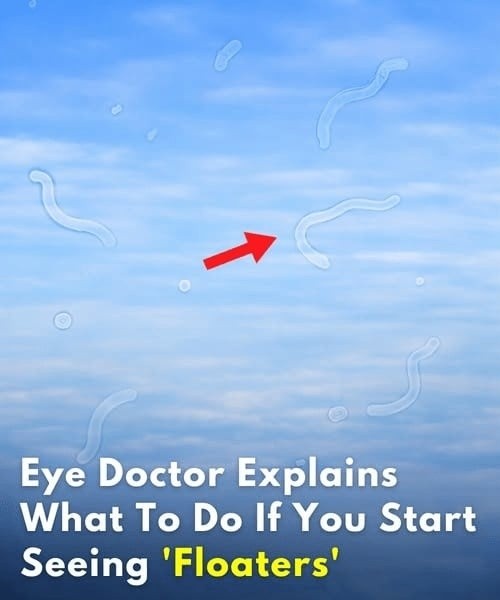
What to Do If You Start Seeing Eye Floaters
Eye floaters—those tiny specks, threads, or “cobwebs” that drift across your vision—are often a normal part of aging. In many cases, they come from natural changes in the vitreous, the clear gel inside the eye. As the vitreous slowly shrinks over time, it can form small clumps that cast shadows on the retina, making floaters easier to notice—especially when you’re looking at a bright sky, a computer screen, or a plain white wall.
For most people, floaters are harmless and gradually become less noticeable. But sometimes they can signal a serious eye emergency. The challenge is that the difference between “annoying but normal” and “needs urgent care” can be very small—and protecting your eyesight is worth taking seriously.
When Eye Floaters Are Usually Not an Emergency
Floaters are commonly considered benign when:
- They appear slowly over months or years
- They stay about the same and don’t rapidly increase
- You have no flashes of light
- Your side vision (peripheral vision) seems normal
- There’s no dark curtain or shadow in your field of view
Even in these situations, it’s still smart to mention new or changing floaters at your next comprehensive eye exam—especially if you’re nearsighted, over 40, or have a history of eye problems.