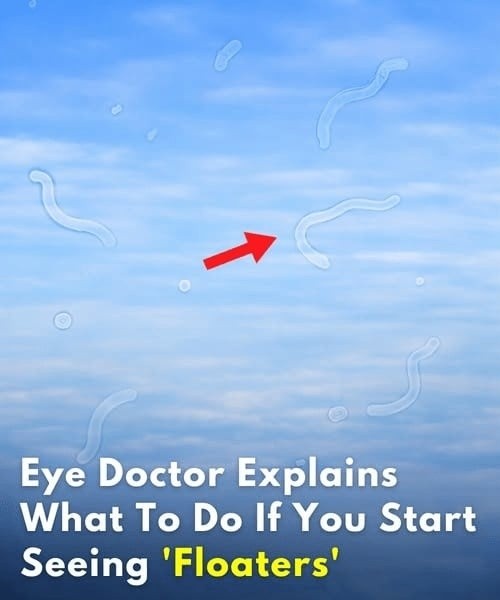
Warning Signs That Need Immediate Medical Attention
If you notice any of the symptoms below, treat it as urgent and seek same-day evaluation from an eye doctor (optometrist or ophthalmologist) or an emergency eye clinic:
- A sudden burst or “shower” of new floaters
- Flashes of light that resemble lightning, camera flashes, or flickers in your peripheral vision
- A dark shadow, veil, or curtain moving across your vision
- Sudden blurred vision or a noticeable drop in visual clarity
- Recent eye injury followed by floaters or flashes
These symptoms can be associated with retinal tears or retinal detachment, conditions that may progress quickly. Early diagnosis and treatment can be sight-saving.
Why You Shouldn’t “Wait It Out”
It’s tempting to search online and hope symptoms fade. But when floaters show up suddenly—especially with flashes or a shadow—time matters. A prompt, dilated eye exam can determine whether the retina is secure or at risk. If a tear is found early, treatment can sometimes prevent a detachment and reduce the chance of permanent vision loss.
What to Do Right Now If You Notice New Floaters
- Assess the change: Are there many new floaters all at once, or just one or two over time?
- Check for flashes or shadows: Any flickering lights or a curtain-like area is a red flag.
- Book an urgent eye exam if symptoms are sudden: Same-day is best if you have flashes, a sudden increase in floaters, or any shadow.
- Avoid risky delays: Don’t drive yourself if your vision is compromised; ask someone to take you if needed.
- Follow up as instructed: Even if the first exam is reassuring, your eye doctor may recommend a repeat check to ensure nothing changes.
Common Risk Factors for Serious Causes of Floaters
You may be at higher risk of retinal problems if you have:
- High myopia (strong nearsightedness)
- A previous retinal tear or detachment
- Recent cataract surgery or other eye surgery
- Diabetes or diabetic eye disease
- A family history of retinal detachment
- A recent eye injury or trauma
Bottom Line
Most eye floaters are a normal, age-related change—and many people learn to ignore them. But a sudden increase in floaters, light flashes, or a shadow/curtain over vision should be treated as an urgent warning sign. When it comes to your eyesight, it’s always better to get a professional evaluation than to guess.
CTA: Have you experienced floaters or flashes before? Share what happened in the comments, and consider subscribing for more practical eye health and vision care tips.