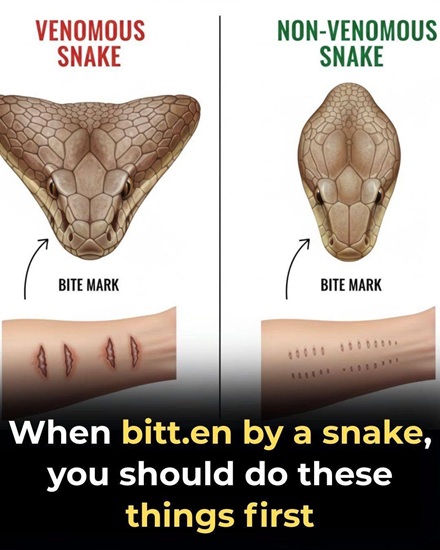
A snakebite can happen quickly, and the first few minutes matter. Whether it occurs on a farm, near a garden shed, during a walk through long grass, or close to a suburban home, the safest response is the same: stay calm, limit movement, and get emergency medical help immediately.
Snakebites are not something to “wait and see” at home. In Australia, data from the Royal Flying Doctor Service shows about 3,000 reported snakebites each year. Around 550 of those lead to hospital admission, and the country averages about two deaths annually. Modern emergency care and antivenom have made outcomes far better, but fast treatment remains critical.
Why Every Snakebite Should Be Treated Seriously
Not every bite from a venomous snake injects venom. This is sometimes called a “dry bite.” The problem is that no one can reliably confirm that immediately after it happens. A bite may look small, cause only mild pain, or leave barely visible puncture marks, yet serious symptoms can still appear later.
Symptoms can vary depending on the snake and the amount of venom involved. Early signs may include pain, swelling, redness, or discoloration around the bite. More serious effects can include nausea, vomiting, blurred vision, breathing difficulty, abnormal heart rate, abdominal pain, muscle weakness, or paralysis.