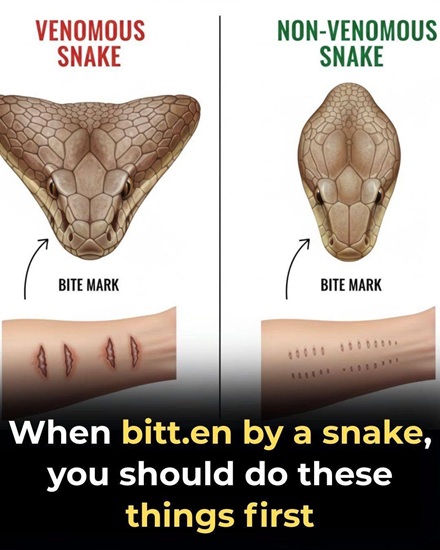
Research from the Australian Snakebite Project found that a small number of species account for many confirmed bites. Brown snakes are linked to roughly 41 percent of cases, tiger snakes about 17 percent, and red-bellied black snakes around 16 percent. Still, identifying the snake should never delay treatment.
First Steps After a Snakebite
Call emergency services immediately. A snakebite is a medical emergency, even if the person feels well at first. Professional assessment is essential because symptoms may develop over time.
Keep the person as still as possible. Movement can help venom spread through the lymphatic system. The person should lie or sit down, stay calm, and avoid walking if possible.
Immobilize the affected limb. In regions such as Australia, a pressure immobilization bandage is commonly recommended for venomous snakebites. It should be applied firmly to the bitten limb, and the limb should be kept still with a splint or improvised support if available.
Do not wash the bite area. Venom traces on the skin may help medical teams identify the type of snake involved using clinical assessment and, in some cases, venom detection tools.
Do not try to catch, kill, or handle the snake. Many bites happen when people attempt to move or kill a snake. Keeping distance is safer and avoids a second bite.
What Readers Should Know
Snake encounters are not limited to remote wilderness. More than half of recorded snakebites occur close to homes. Gardens, sheds, outdoor storage areas, tall grass, and the edges of suburban or rural properties can all create conditions where snakes may be found.
People working outdoors, including those in farming, construction, and other labor-intensive jobs, may face higher exposure. Most snakebite victims are adult men in their thirties, and studies suggest more than 90 percent of bites affect the arms or legs.
Prevention is a major part of safety. Keeping yards tidy, removing debris, trimming dense vegetation, controlling rodents, and managing water sources can reduce the chance of attracting snakes. Wearing boots, long trousers, long sleeves, and gloves can also lower the risk of a serious bite when working outdoors.
Antivenom is available for many venomous snake species, and timely hospital care can greatly improve survival. The safest approach is simple: avoid contact with snakes, treat every bite as potentially venomous, and get medical help without delay.
For anyone living, working, or traveling in snake-prone areas, knowing these steps before an emergency can make a real difference.