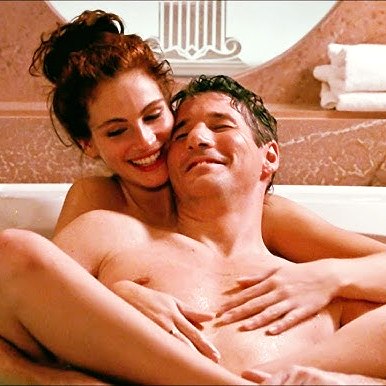
Pretty Woman is the kind of movie that many people feel they already know by heart. The hotel, the shopping scenes, the unlikely romance, and the chemistry between Julia Roberts and Richard Gere have all become part of romantic comedy history. But the version audiences love today was not always the version the filmmakers first had in mind.
Long before it became a polished, crowd-pleasing hit, the project reportedly had a much more serious direction. Early versions of the story leaned into darker dramatic themes, far from the lighter fairy-tale tone that eventually helped the film reach such a wide audience.
The Movie Started With a Different Tone
One of the most interesting parts of Pretty Woman is how much its identity changed before release. The final film is remembered for its warmth, humor, and glamorous Los Angeles setting, but earlier script ideas were not built around the same uplifting feeling.
As the project developed, the creative team moved toward a softer and more accessible romantic comedy. That shift became one of the major reasons the movie connected with viewers around the world. Instead of remaining a darker drama, it became a film that audiences could return to for comfort, charm, and escapism.