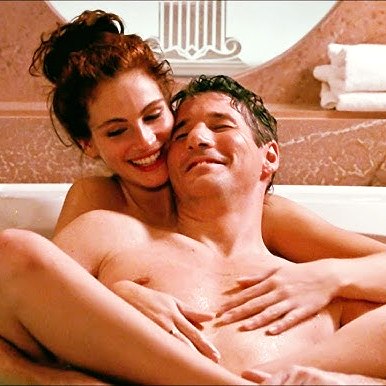
That kind of creative adjustment can make a major difference in the life of a film. A screenplay, cast, editing choices, and marketing approach all work together to shape how audiences respond. In the case of Pretty Woman, the lighter direction helped turn the movie into a long-lasting box-office success rather than a more niche drama.
Why Julia Roberts and Richard Gere Mattered So Much
It is difficult now to separate Pretty Woman from Julia Roberts and Richard Gere. Their on-screen chemistry became one of the defining parts of the movie, giving the story much of its humor, tension, and emotional pull.
Roberts brought an energy that helped make the character memorable, while Gere’s performance gave the film its polished romantic lead. Together, they helped sell the fantasy at the center of the story. For many viewers, that pairing is a key reason the movie still feels familiar and watchable decades later.
Over time, fans have also remained interested in casting discussions and production choices connected to the film. That curiosity is common with movies that become cultural fixtures. Once a film reaches classic status, viewers often want to know how close it came to becoming something very different.
The Bigger Picture
Deleted and extended scenes have added another layer to the film’s history. Some of those moments offered more character detail or showed alternate storytelling choices that did not make it into the theatrical cut.
For fans, these scenes can be fascinating because they reveal the decisions made behind the camera. At the same time, many viewers agree that leaving certain material out helped protect the movie’s pace and tone. A scene can be well acted and still not belong in the final version if it slows the story or changes the mood too much.
That is one reason film editing is so important. The final cut of a movie is not just a collection of good scenes; it is the version that best carries the audience from beginning to end. With Pretty Woman, the finished film leaned into a romantic, fairy-tale atmosphere, and that choice became central to its appeal.
More than three decades after its release, Pretty Woman remains one of the most recognizable romantic comedies ever made. Its lasting popularity shows how much behind-the-scenes decisions can affect a movie’s legacy, from early script changes to the scenes that never reached theaters.
For anyone revisiting the film, those production details make the familiar story a little more interesting the next time it plays.