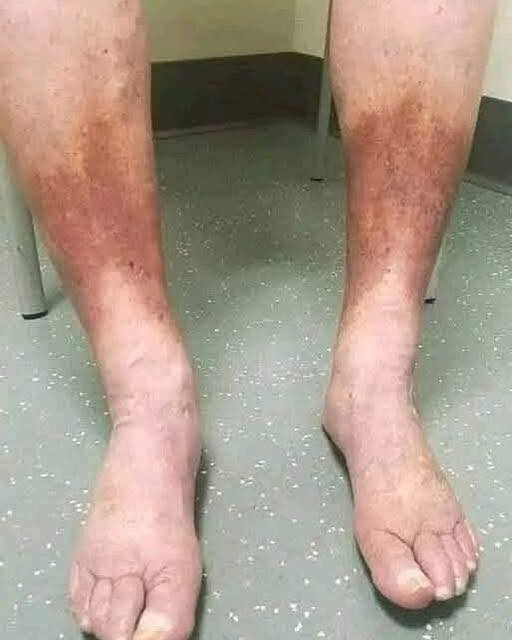
Swollen feet are easy to brush off, especially after a long day, a hot afternoon, or hours spent sitting on a flight. In many cases, the swelling is temporary and improves with rest, movement, or elevation. But feet and ankles can also reveal important clues about circulation, fluid balance, injury, and overall health.
The key is knowing the difference between everyday puffiness and swelling that deserves medical attention. Understanding why it happens can help you respond calmly, avoid unnecessary worry, and recognize when it is safer to speak with a healthcare professional.
Common Reasons Feet and Ankles Swell
One of the most common causes of swollen feet is edema, which happens when extra fluid collects in the body’s tissues. Because gravity pulls fluid downward, swelling often shows up first in the ankles and feet.
This can happen after sitting or standing for a long time. When the calf muscles are not moving much, they are less effective at helping push blood and fluid back toward the heart. That is why shoes may feel tight after a long flight, a full day at work, or an event where you have been on your feet for hours.