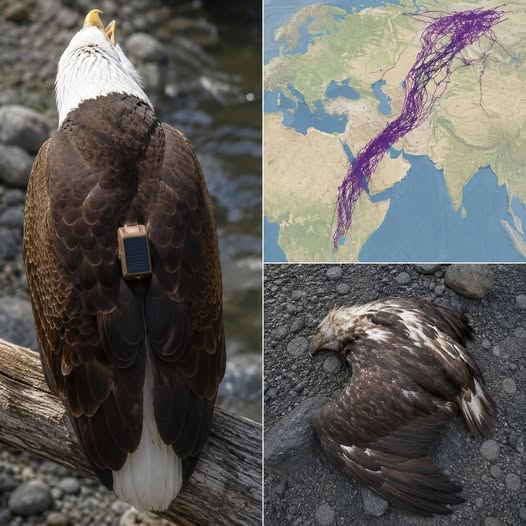
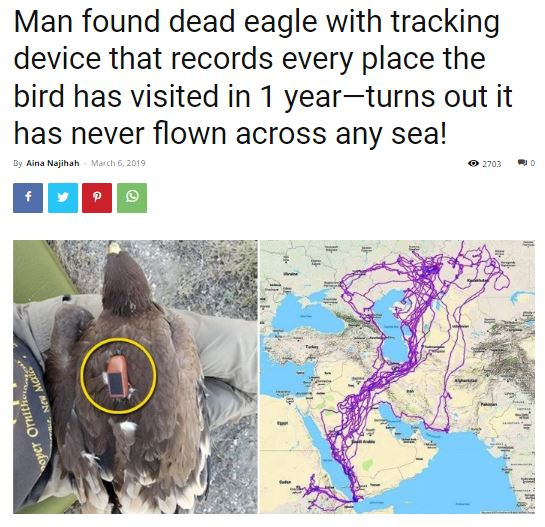
When researchers attached a lightweight GPS tracker to a migrating eagle, they expected to gather valuable scientific data about flight paths and seasonal movement. What they didn’t anticipate was a remarkable story of endurance, strategy, and adaptation that would capture the imagination of people around the world.
Over multiple migration cycles, the eagle demonstrated an astonishing ability to navigate vast landscapes while making calculated decisions that prioritized survival over speed. Its journey offered scientists fresh insights into bird behavior and reminded the public just how extraordinary nature can be.
Why Researchers Track Migrating Birds
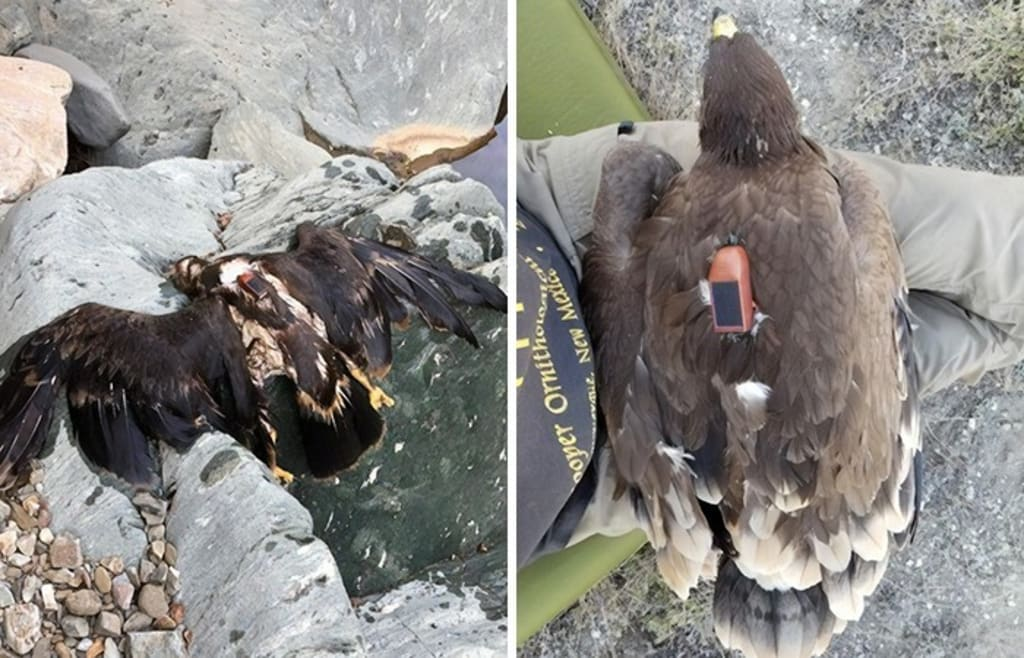
GPS tracking has revolutionized wildlife research by allowing scientists to observe animals in their natural environments with minimal disruption. By following birds across continents, researchers can identify migration corridors, feeding grounds, breeding habitats, and critical resting locations.
This information plays a vital role in conservation, helping environmental organizations protect ecosystems that migratory species rely on throughout the year.
Eagles are especially valuable subjects because they travel long distances and respond closely to changing weather patterns, terrain, and habitat conditions. Their movements can reveal broader trends about ecosystem health and environmental change.
Continue reading on the next page…