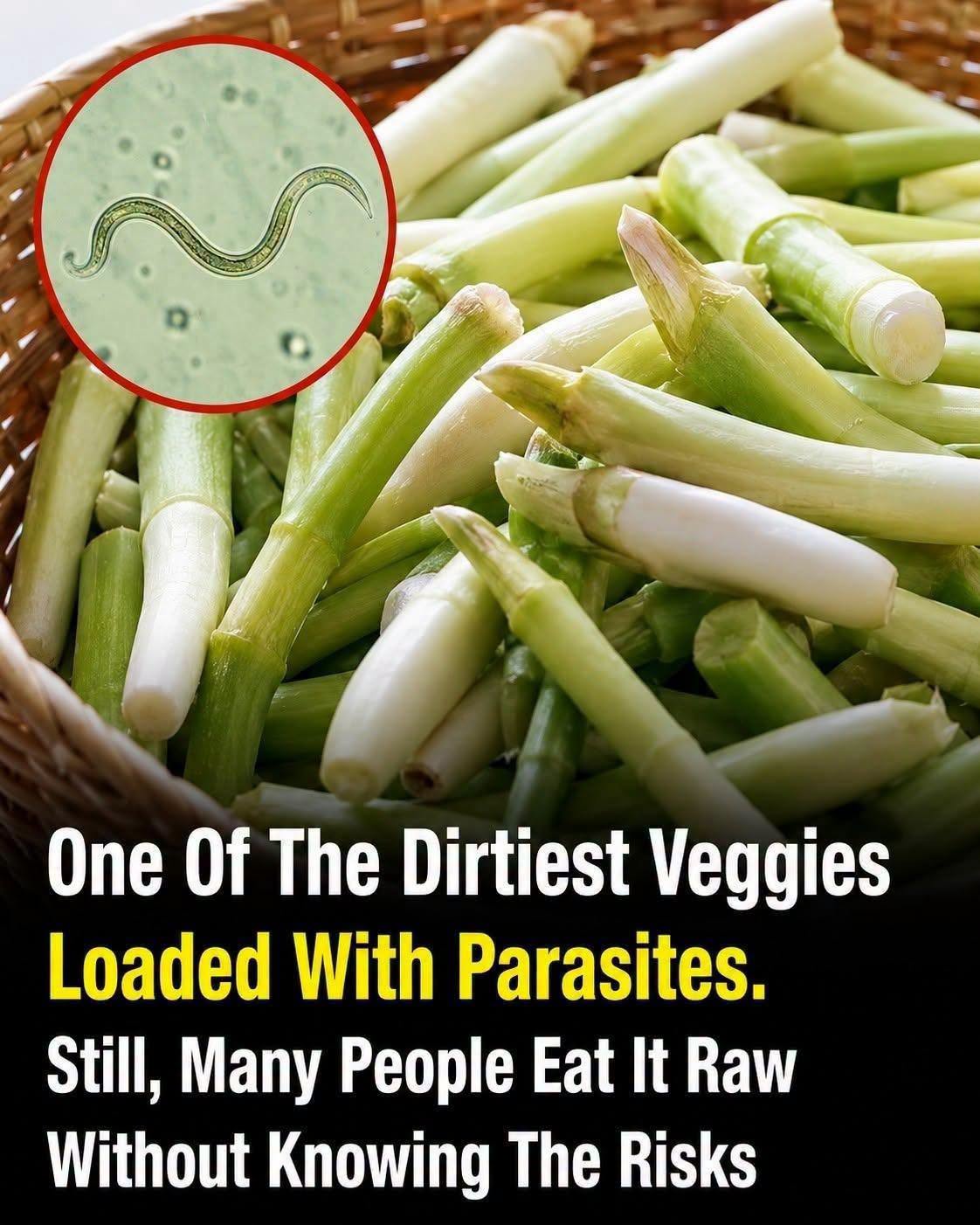
Green onions are one of those ingredients people use without much thought. A handful on top of soup, tacos, eggs, rice, or a salad can add freshness in seconds. But because scallions are often eaten raw, they deserve a little more care than a quick rinse under the faucet.
Like many fresh vegetables, green onions can carry bacteria such as Salmonella or E. coli if they are contaminated during growing, harvesting, packaging, transport, or handling. That does not mean they should disappear from your kitchen. It does mean food safety habits matter, especially when serving children, older adults, pregnant people, or anyone with a weakened immune system.
Why Green Onions Need Extra Attention
Green onions grow close to soil and have a layered structure, especially around the white bulb and base. Dirt and grit can collect in those tight spaces, and bacteria may be harder to remove if the onions are only given a fast surface rinse.
The other issue is how they are usually served. Many foods are cooked before eating, and heat can reduce many foodborne risks. Green onions, however, are frequently used raw as a garnish or mixed into cold dishes. If contamination is present and the onions are not cleaned well, there may be no cooking step to lower that risk.