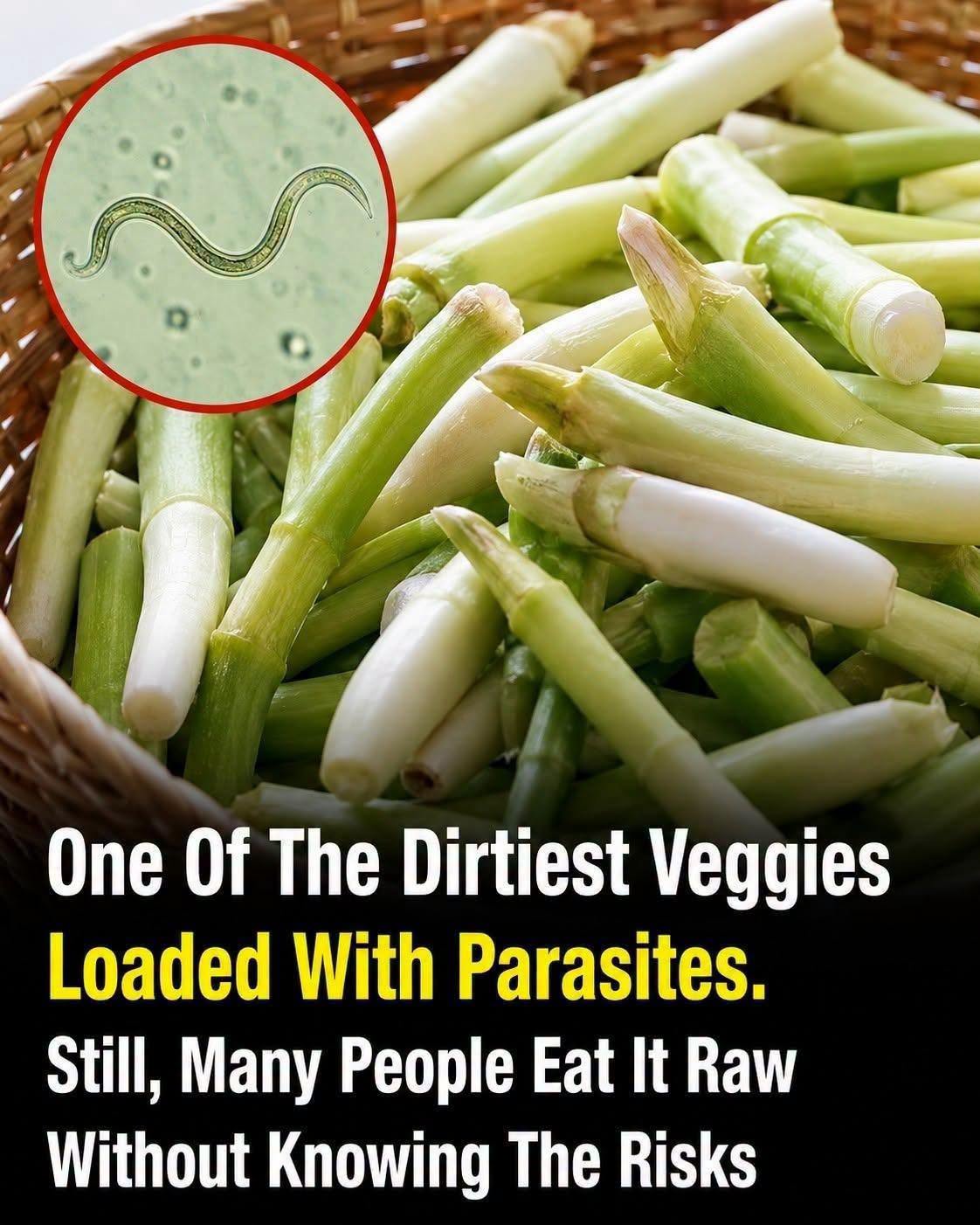
For many healthy adults, foodborne illness may cause temporary stomach symptoms such as nausea, cramps, or digestive discomfort. For higher-risk groups, illness can be more serious and may require medical care. Anyone with severe or persistent symptoms should seek guidance from a healthcare professional.
How to Clean Them More Safely
Start by removing any damaged or wilted outer layers. Trim off the roots and discard them, since the root end is where soil and debris often collect.
Instead of relying on a quick spray of water, place the green onions in a bowl of cold water. Gently rub the stalks with your fingers, paying close attention to the base of the white bulb. If you see grit in the water, drain it and rinse again with fresh water.
After washing, dry the onions with a clean towel or paper towel before chopping or storing. Excess moisture can shorten their shelf life and may encourage spoilage.
What Readers Should Know About Kitchen Cross-Contamination
Safe produce handling is not only about the vegetable itself. Cutting boards, knives, counters, and hands can all transfer bacteria from one food to another.
Use a clean cutting board for produce, especially if raw meat, poultry, or seafood has been prepared nearby. Wash knives, boards, and counters with hot, soapy water after use. Handwashing is also important: scrub with soap and water before and after handling raw produce.
Storage matters too. Keep green onions refrigerated, ideally wrapped in a paper towel and placed in a container or bag that helps manage moisture. If they become slimy, discolored, or develop an unusual sour odor, it is safest to throw them away rather than trimming around the bad spots.
Green onions can still be a fresh, flavorful part of everyday cooking. The key is treating them like any other raw produce: clean them carefully, store them properly, and keep kitchen tools sanitary before they reach the plate.