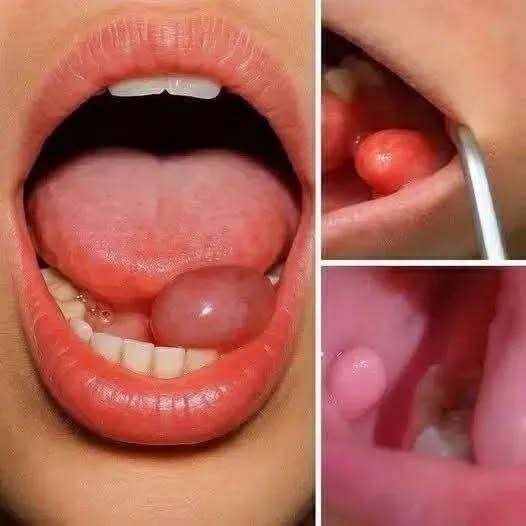
A small sore in the mouth is easy to ignore. Many people assume it came from biting a cheek, eating something sharp, or dealing with a little irritation from dental work. Often, that is exactly what happened. But when a change inside the mouth does not improve, it deserves more attention.
Oral cancer can sometimes start with symptoms that look like everyday mouth problems. That does not mean every ulcer, patch, or ache is serious. It does mean that persistent changes should be checked by a dentist or healthcare provider rather than watched indefinitely.
Signs That Should Not Be Ignored
One of the most important warning signs is a sore or ulcer that has not healed after about two weeks. Minor mouth injuries usually improve on their own, especially when the source of irritation is gone. A lesion that lingers, grows, bleeds, or keeps returning should be professionally evaluated.
Color changes can also matter. White patches, sometimes called leukoplakia, and red patches, known as erythroplakia, may have several causes, but they should not be dismissed if they persist. Areas that feel unusually thick, rough, or different from nearby tissue are also worth mentioning during a dental or medical visit.