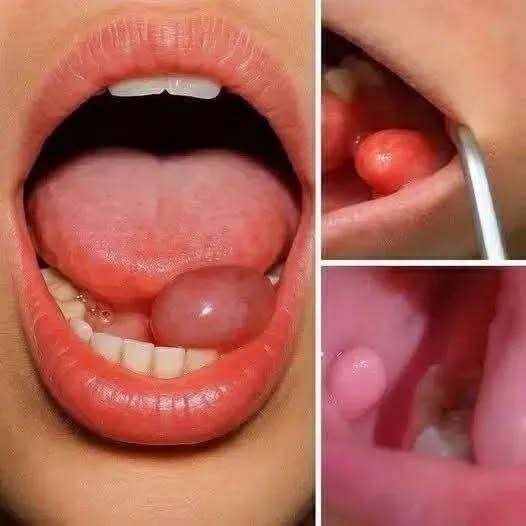
Other symptoms can be harder to spot because they may not look dramatic at first. Unexplained lumps, swelling, or numbness in the lips, tongue, gums, cheeks, or the floor of the mouth should be taken seriously. The same is true for mouth, jaw, throat, or ear pain that continues without a clear reason.
When Everyday Activities Start to Change
Some oral health concerns become noticeable during normal routines. Difficulty chewing, swallowing, speaking, or moving the jaw comfortably can signal that something needs a closer look. A change in voice or speech that does not improve may also be a reason to schedule an appointment.
Chronic bad breath or an unusual taste in the mouth can come from many noncancerous issues, including hygiene problems, infections, or irritation. Still, if these symptoms continue despite good oral care, they are worth discussing with a professional.
What Readers Should Know
Early evaluation matters because many oral cancers are more treatable when found sooner. Routine dental visits are useful for more than cleaning teeth. During a comprehensive exam, dentists also look at the soft tissues of the mouth and may notice changes that a person has missed.
Good oral hygiene, avoiding tobacco products, limiting excessive alcohol use, protecting the lips from too much sun exposure, and keeping regular dental appointments all support better oral health. These steps cannot guarantee prevention, but they are practical habits that help reduce risk and improve the chances of catching problems early.
Most mouth sores and patches are not cancer. Infections, irritation, and benign conditions are common and often improve with appropriate care. The key is not to self-diagnose or assume the worst, but to pay attention when something does not heal or feels unusual.
If a sore, patch, lump, numb area, or unexplained pain lasts for a couple of weeks, making an appointment with a dentist or healthcare provider is a sensible next step. Noticing small changes early can make a real difference, so it is worth staying familiar with what is normal for your own mouth.