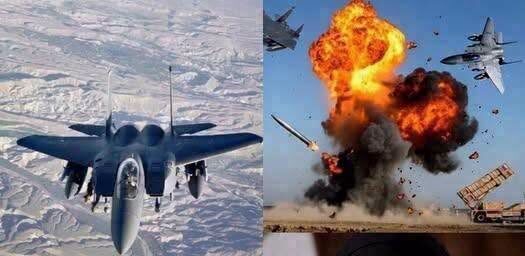
The international community is watching the Middle East closely as long-standing rivalries, shifting alliances, and rapid advances in military technology continue to reshape the region’s security landscape.
For years, tensions involving Iran, Israel, the United States, and other regional powers have created a complicated web of diplomatic and security challenges. In 2026, those tensions remain an important subject for governments, analysts, investors, and ordinary people trying to understand what could come next.
But amid the growing attention, one distinction is essential: confirmed developments should be separated from speculation, online rumors, and sensational headlines.
A Region Shaped by Years of Tension
Relations between Tehran and Washington have been difficult for decades, with sanctions, disagreements over Iran’s nuclear program, regional proxy conflicts, and repeated diplomatic efforts shaping the relationship.
Israel has also remained central to the region’s security environment.
Its strategic relationship with the United States, combined with its ongoing concerns about Iranian military capabilities and regional armed groups, means developments involving one country can quickly affect several others.
This interconnectedness is one reason analysts pay such close attention to seemingly isolated incidents.
A confrontation that begins in one location can create consequences for energy markets, shipping routes, financial markets, diplomatic relations, and international security far beyond the immediate area.
Why Information Has Become Part of the Battlefield
Continue reading on the next page…