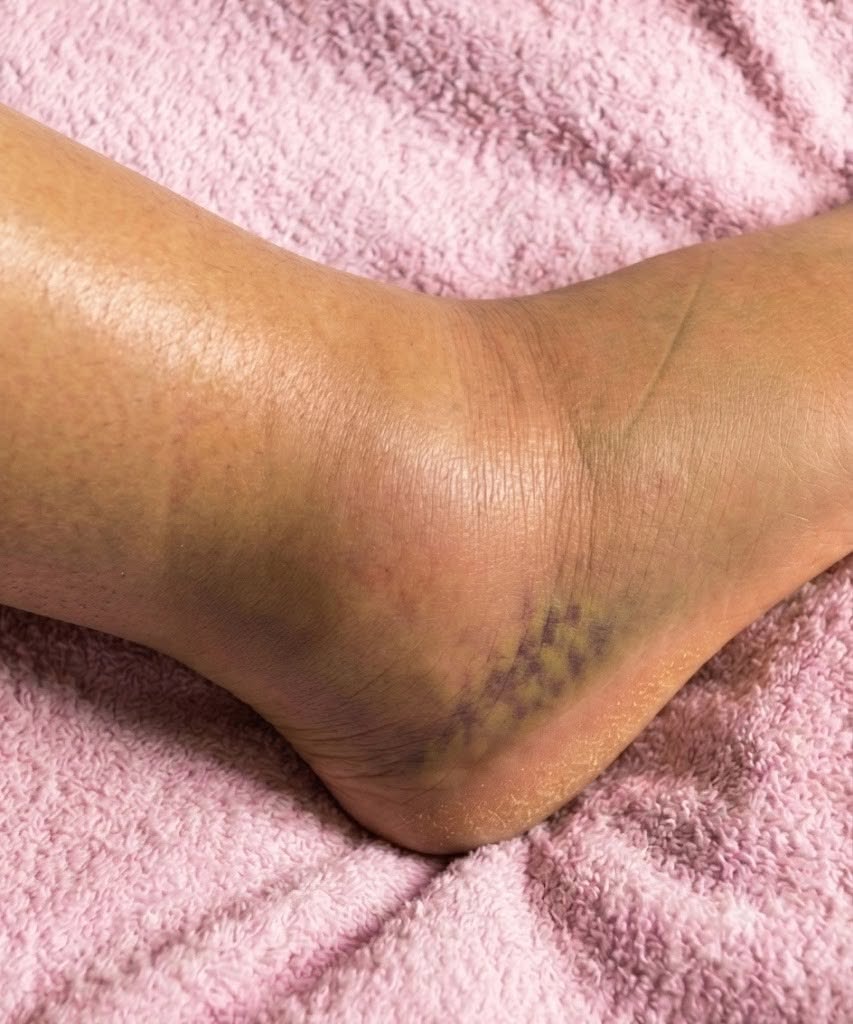
Swelling in the feet, ankles, or legs is easy to dismiss after a long day, a salty meal, or hours spent sitting. Sometimes it is temporary. But when leg swelling is new, painful, one-sided, or keeps coming back, it can be a signal that something more serious is affecting circulation, fluid balance, or the body’s ability to move blood properly.
The medical term for this kind of fluid buildup is edema. It happens when fluid collects in body tissues, often most noticeably in the lower legs because gravity makes fluid settle there. Heat, pregnancy, long periods of standing, extended travel, certain medicines, and high-sodium meals can all contribute. The key is paying attention to the pattern, timing, and symptoms that come with it.
Common Reasons Legs and Ankles Swell
One frequent cause is venous insufficiency. Healthy vein valves help blood move upward toward the heart. When those valves weaken, blood can pool in the lower legs. This may lead to ankle swelling, aching, heaviness, and visible veins, including varicose veins. Many people notice it gets worse later in the day.
Diet can also play a role. Sodium encourages the body to hold onto fluid, and salt can be hidden in processed foods, canned soups, sauces, snacks, and restaurant meals. Cutting back may help some people with mild swelling, but anyone with heart or kidney disease should not make major salt or fluid changes without medical guidance.