Some medications can cause or worsen swelling, including certain blood pressure drugs, hormone treatments, and anti-inflammatory medicines. If swelling began after a prescription change, do not stop the medication suddenly. A clinician can review the dose, timing, and safer alternatives if needed.
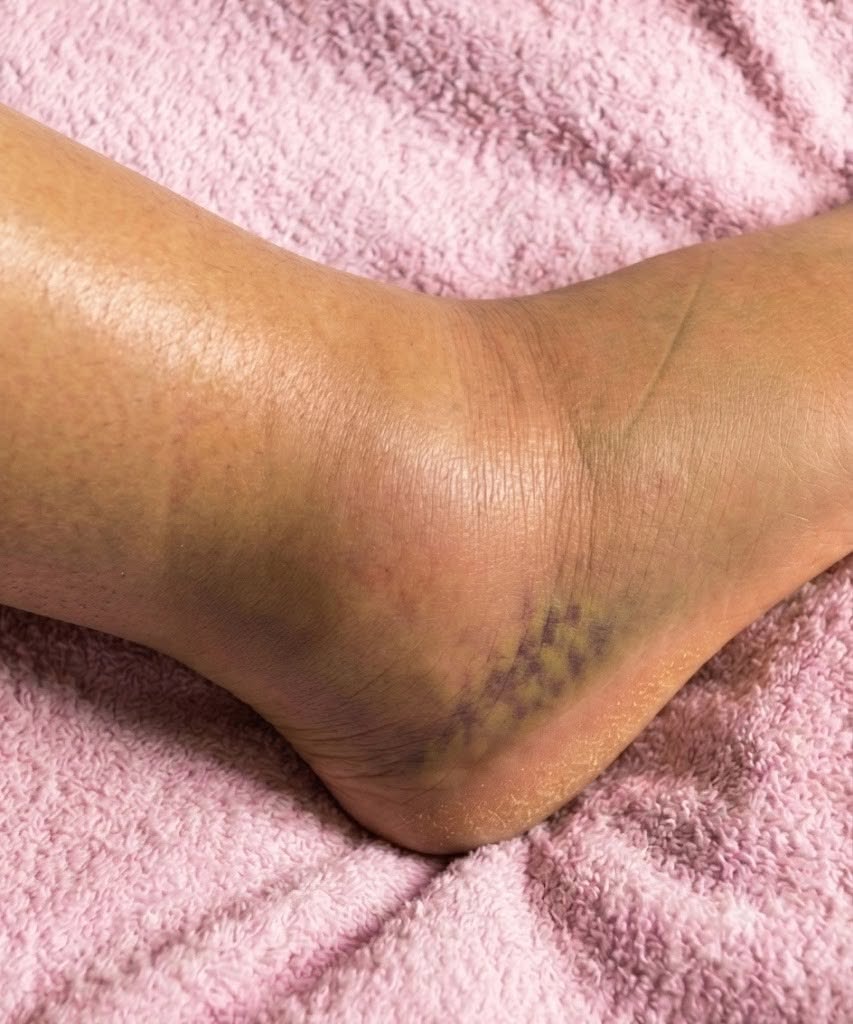
Injury, infection, recent surgery, and lymphedema are also possible causes. Because several conditions can look similar from the outside, a medical visit may be needed to identify what is actually happening.
Warning Signs That Need Medical Attention
Swelling in both legs can occur with heart failure, when the heart is not moving blood as effectively as it should and fluid starts to build up. Shortness of breath, rapid weight gain, unusual fatigue, coughing, or trouble breathing while lying flat make swelling more concerning. New or worsening swelling with breathing symptoms should be reported promptly.
Kidney and liver problems may also disturb the body’s fluid balance. Possible clues include changes in urination, puffiness around the eyes, swelling in the abdomen, yellowing of the skin, or marked fatigue. These symptoms require clinical assessment and, often, laboratory testing. Appearance alone cannot reliably show which organ is involved.
A sudden swollen leg on only one side raises concern for deep vein thrombosis, often called DVT. This is a blood clot that usually forms in a deep vein of the lower leg, thigh, or pelvis. According to the National Heart, Lung, and Blood Institute, possible signs include swelling, pain or tenderness, aching, warmth, and red or discolored skin. A suspected clot needs prompt medical evaluation.
A clot can become dangerous if it travels to the lungs and causes a pulmonary embolism. Emergency symptoms include sudden shortness of breath, chest pain that may worsen with breathing, coughing blood, rapid breathing, faintness, or a fast heart rate. If these occur, call emergency services rather than trying to manage the symptoms at home.
What Readers Should Know
For mild swelling with an obvious temporary cause, simple steps may help: move around regularly, avoid sitting or standing still for long periods, and elevate the legs when resting. Compression garments can be useful for some vein-related swelling, but they are not right for everyone, especially before a circulation problem or blood clot has been ruled out.
Medical care is important if swelling lasts several days, keeps returning, affects one leg much more than the other, or comes with pain, warmth, redness, skin breakdown, or unexpected weight change. Severe shortness of breath, chest pain, fainting, confusion, or blue lips require immediate emergency help.
Before an appointment, it can help to track useful details. Note when the swelling began, whether it improves overnight, whether shoes or socks feel tighter, and whether pressing the skin leaves a dent. Also write down recent travel, surgery, pregnancy, injuries, medication changes, and any history of heart, kidney, liver, or vein problems.
A clinician may examine both legs and choose tests such as blood work, ultrasound, or a heart assessment depending on the symptoms and history. If one leg is suddenly swollen and painful, do not massage it when a clot is possible. Getting checked is safer than trying to push the fluid away.
Leg swelling is not a diagnosis by itself. Its cause depends on the pattern, the timing, and the symptoms around it — and those details can make all the difference.