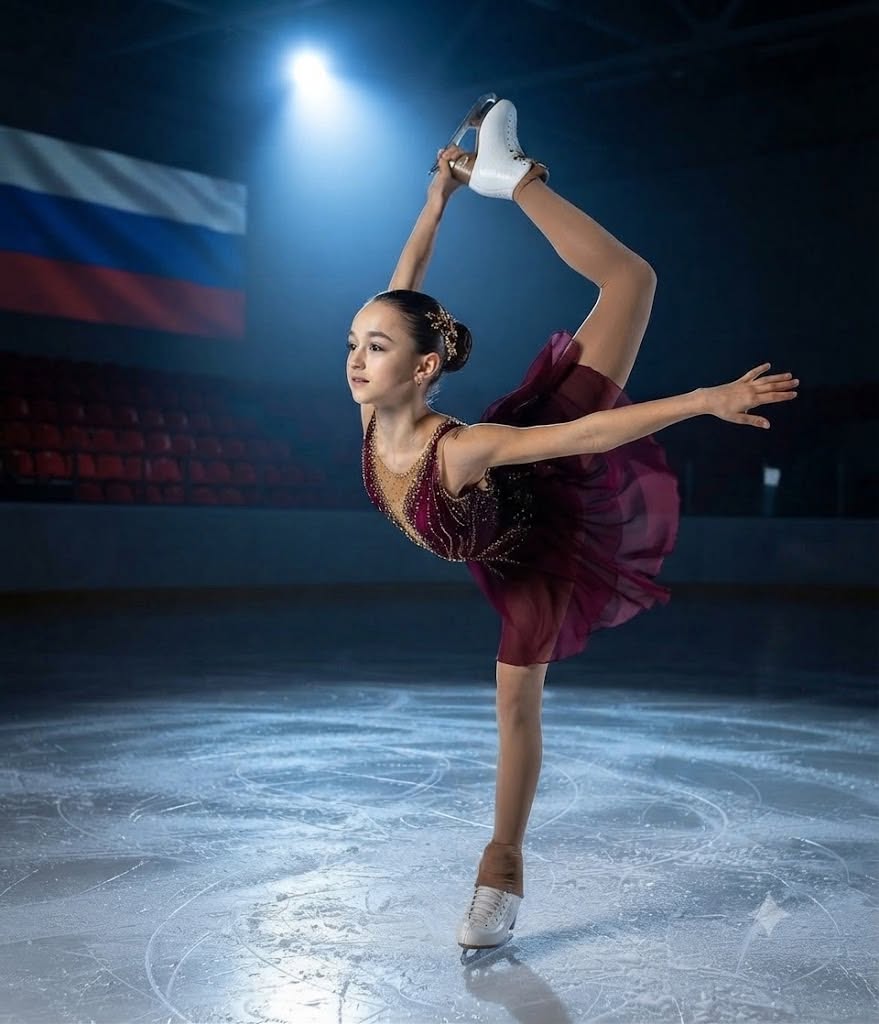
A young figure skater’s death after an on-ice collision is the kind of tragedy that stops a sports community in its tracks. Figure skating is often seen for its beauty, discipline, and grace, but behind every routine is a demanding sport where speed, sharp blades, crowded practice sessions, and pressure can create real risks.
Fatal injuries in figure skating are extremely rare. Still, rare does not mean impossible. When a young athlete is lost, the grief reaches far beyond one family. It affects teammates, coaches, competitors, parents, and younger skaters who looked up to someone chasing the same dream.
What Makes Figure Skating Risky
Figure skating can look effortless from the stands, but the physical demands are intense. Skaters may move at speeds of up to 20 miles per hour, and a collision at that pace can carry serious force. Even an impact that appears brief or accidental can lead to significant injury.
The ice itself is unforgiving, and falls are part of training. Over time, repeated falls can contribute to concussions, joint injuries, fractures, sprains, and chronic pain. Skate blades add another danger because they are sharp enough to cut clothing and skin. In the worst situations, a blade injury can be severe.