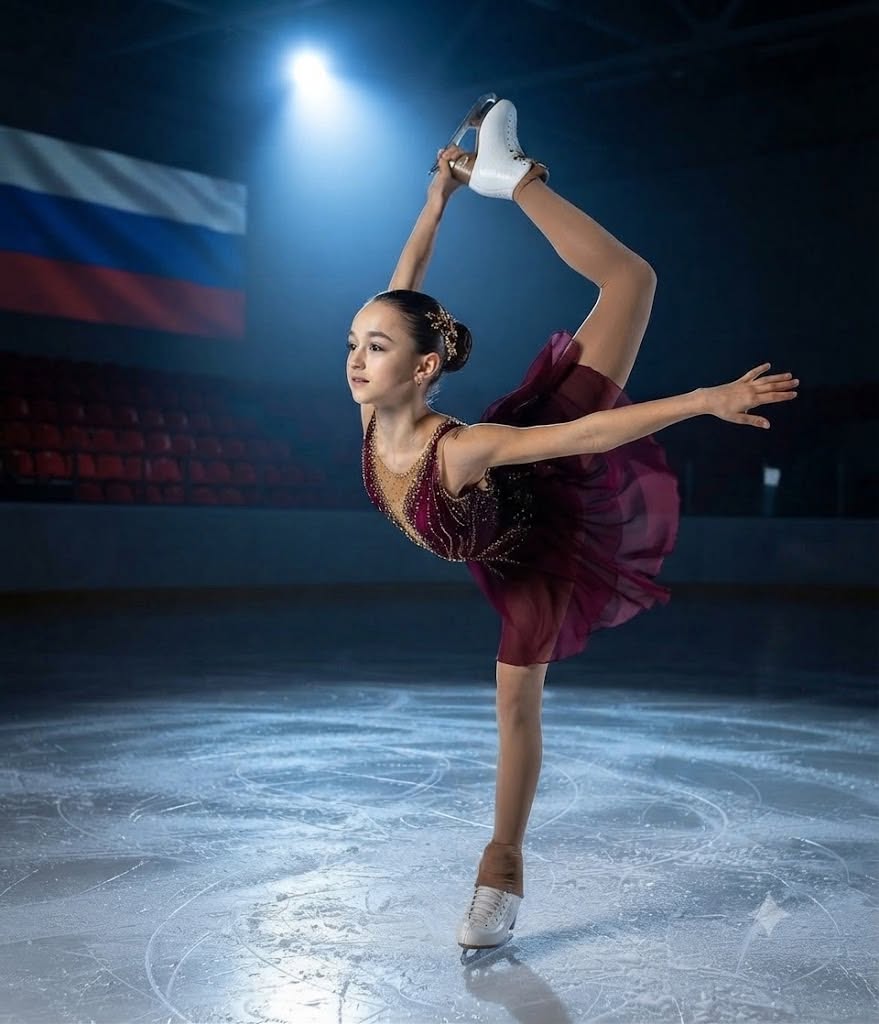
Practice sessions can also be busy and fast-moving. Multiple skaters may be working on jumps, spins, choreography, or warmups at the same time. That makes clear traffic patterns, coach supervision, communication, and emergency procedures especially important.
What Families and Coaches Should Know
Parents cannot remove every risk from youth sports, but they can ask practical questions. How are crowded sessions managed? Are skaters taught how to share the ice safely? What happens if there is a collision? Who calls for medical help? Does the rink have a clear emergency plan?
Coaches also play a central role. Safety should be treated as part of training, not as an afterthought. Young athletes need to know they can speak up if they feel unsafe, injured, dizzy, overwhelmed, or pressured to keep practicing through pain.
Parents and coaches should be familiar with warning signs of common skating injuries, including concussions and overuse injuries. When a skater is hurt, it is safer to take the concern seriously and seek appropriate medical guidance rather than assume the athlete can simply push through.
Protective equipment can be a sensitive topic in figure skating because the sport has strong traditions around appearance and movement. Even so, families can discuss appropriate safety options with coaches and rink staff, especially during training sessions where falls and contact risks may be higher.
The Bigger Picture
The emotional impact of a young athlete’s death is difficult to measure. Teammates may feel fear, sadness, confusion, or guilt. Coaches may question what they could have done differently. Younger skaters may struggle to understand how something so devastating could happen in a place that once felt familiar and safe.
Support matters in those moments. Young athletes need space to grieve and adults who will listen without rushing them past the pain. It is also important to remind them that feeling shaken after a tragedy is normal.
Honoring a young skater’s life means remembering more than the accident. It means recognizing the passion, dedication, friendships, and dreams that defined her time on the ice. It also means using the loss as a reason to review safety practices in youth sports with honesty and care.
No sport can be made completely risk-free, but better awareness, stronger emergency planning, calmer practice conditions, and open communication can help protect young athletes. For every family with a child on the ice, this is a moment to pause, ask questions, and keep safety part of the conversation.