Swollen Feet Can Be Harmless—or a Sign to Pay Attention
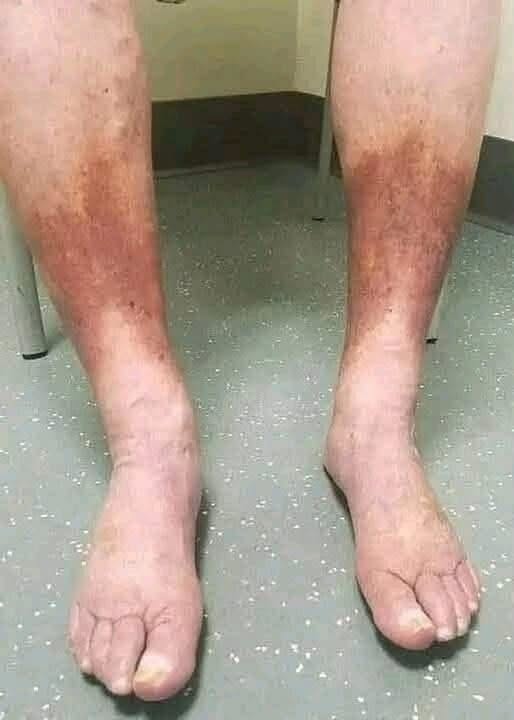
Swollen feet are easy to brush off, especially after a long day, a hot afternoon, or hours spent sitting on a flight. In many cases, the swelling is temporary and improves with rest, movement, or elevation. But feet and ankles can also reveal important clues about circulation, fluid balance, injury, and overall health.
The key is knowing the difference between everyday puffiness and swelling that deserves medical attention. Understanding why it happens can help you respond calmly, avoid unnecessary worry, and recognize when it is safer to speak with a healthcare professional.
Common Reasons Feet and Ankles Swell
One of the most common causes of swollen feet is edema, which happens when extra fluid collects in the body’s tissues. Because gravity pulls fluid downward, swelling often shows up first in the ankles and feet.
This can happen after sitting or standing for a long time. When the calf muscles are not moving much, they are less effective at helping push blood and fluid back toward the heart. That is why shoes may feel tight after a long flight, a full day at work, or an event where you have been on your feet for hours.
Diet can also play a role. Sodium causes the body to hold onto water, so meals high in salt or processed foods may contribute to temporary swelling in some people. Hot weather can have a similar effect. When temperatures rise, blood vessels widen as part of the body’s cooling process, and fluid can more easily collect in the lower legs and feet.
Injury is another common explanation. A sprain, strain, or minor twist can lead to localized swelling as the body sends fluid and immune cells to the area. In those cases, swelling is usually connected to pain, tenderness, or a clear incident such as stepping awkwardly or overdoing exercise.
When Swelling May Point to Something More Serious
Swelling that is persistent, unexplained, or getting worse should not be ignored. The heart, kidneys, and liver all help regulate fluid in the body. If one of these systems is not working well, fluid can build up and become more noticeable in the legs, ankles, and feet.
For example, when the heart is not pumping efficiently, pressure can build in the veins and push fluid into surrounding tissues. If the kidneys are not removing enough sodium and water, extra fluid may remain in the body. The liver also matters because it produces proteins that help keep fluid inside blood vessels.
 Up Next: Page 2 of 2
Some symptoms require urgent attention. Swelling in only one foot or leg, especially...
Other warning signs include swelling with redness, warmth, fever, or skin that feels painful to touch, which may suggest infection. Swelling along...
Continue Reading