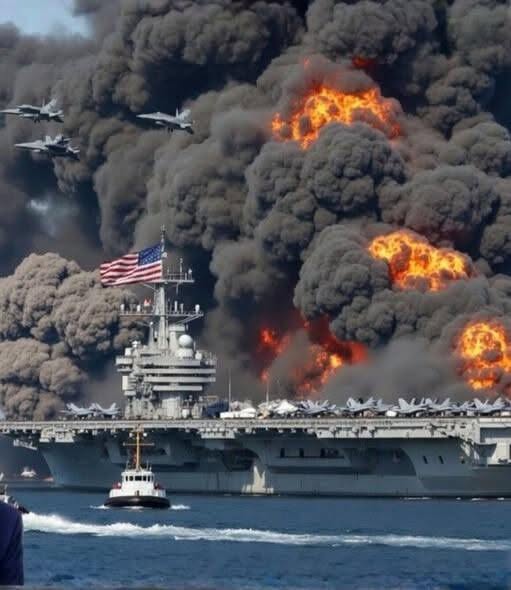
Viral Military “Leaks” Are Fueling Online Panic—And the Real Risk Could Be Bigger Than You Think
In today’s always-on news cycle, a story can reach millions before anyone has had time to confirm whether it’s even true. That’s exactly what’s happening right now as unverified posts about an alleged military strike on a heavily protected vessel race across social media. The headlines are dramatic, the videos are “supposedly” convincing, and the shares keep climbing—yet there’s a major problem: there is no clear, official confirmation from credible government channels or recognized defense authorities.
When ministries of defense, national security agencies, and international alliances don’t validate a claim, that silence isn’t “proof of a cover-up.” More often, it’s a sign that the available information is incomplete, sensitive, or simply not accurate enough to publish responsibly. In the meantime, the internet fills the gap with speculation—and that’s where things can get dangerous.
Why Viral Defense Stories Spread So Fast (And Why They’re Hard to Stop)
Global security topics—military movements, conflict zones, naval deployments—draw instant attention because they can affect everything from personal safety to energy prices to financial markets. That intense interest creates the perfect conditions for misinformation to thrive.
Here’s why these stories explode: