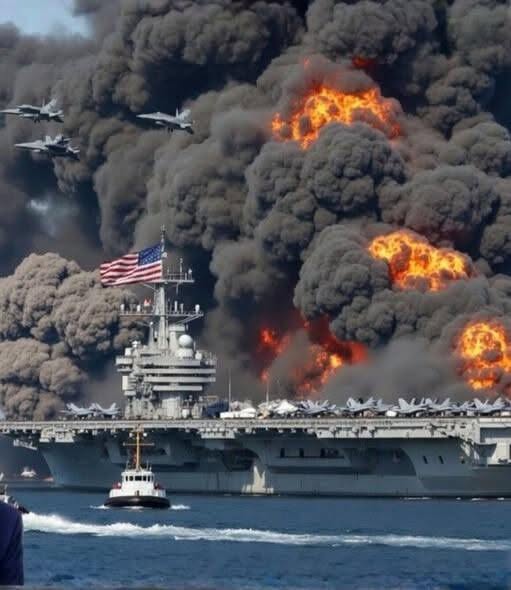
- High emotional stakes: Fear and urgency drive clicks, comments, and reposts faster than calm, verified updates.
- Early details are usually incomplete: Initial reports often contain just enough “specifics” to sound real, but not enough to be provable.
- Opinion gets packaged as “analysis”: Some accounts present guesses as facts, using confident language and military jargon to look credible.
- Algorithms reward engagement: Social platforms often push the most attention-grabbing content, not the most accurate.
Even reputable organizations have warned about this modern “infodemic”—a flood of information where truth competes with rumor at the same speed. In fast-moving crises, that competition is rarely fair.
Why Official Confirmation Takes Time (And Why That’s a Good Thing)
In national defense and security reporting, verification isn’t a formality—it’s a safeguard. Governments and military institutions typically follow strict procedures before releasing details about assets, operations, or incidents. That can include:
- cross-checking operational data,
- evaluating national security implications,
- coordinating messaging with allies,
- preventing accidental escalation through careless statements.
This is one reason credible confirmation can take hours—or longer. But the delay doesn’t mean “something big is being hidden.” It often means officials are trying not to make a tense situation worse with partial or incorrect information.
The Real-World Impact of Unverified Military Claims
Rumors about defense incidents aren’t harmless gossip. In the wrong moment, they can create consequences far beyond the screen:
- Diplomatic tension: Viral misinformation can inflame relations between countries already on edge.
- Market volatility: Investors react to perceived instability, affecting currencies, commodities, and everyday costs.
- Public panic: Fear spreads quickly, especially when posts suggest immediate danger without proof.
- Erosion of trust: When people are repeatedly misled, confidence in institutions and journalism weakens.
Responsible communication isn’t just “good online manners.” In high-stakes geopolitical moments, it can be a form of conflict prevention.
Why “Instant Analysis” Can Be Misleading in Modern Warfare
Modern military operations involve complex systems—advanced surveillance, electronic warfare, layered missile defense, and fast-moving decision chains. Without verified facts, it’s nearly impossible to accurately judge what happened, what equipment was involved, or what it means strategically.
When people speculate without evidence, it often creates a Hollywood-style narrative that sounds exciting but distorts reality. That distortion doesn’t just confuse the public—it can also amplify fear and deepen misinformation cycles.
How to Stay Informed Without Getting Played by the Algorithm
If you want accurate updates on sensitive defense stories, focus on a simple rule: treat viral claims as unproven until they’re corroborated by credible sources.
Practical ways to do that:
- Look for statements from official government defense channels or verified briefings.
- Rely on established news organizations with clear correction policies and verification standards.
- Be cautious with anonymous accounts, cropped clips, and “sources say” posts with no traceable origin.
- Wait for multiple independent confirmations before sharing.
Patience is not passive—it’s protective. In breaking military news, the first version of a story is often the least reliable.
Final Thought: Accuracy Beats Urgency
The internet makes it easy to feel like we must react immediately. But when the topic is global security, reacting to rumors can do real harm. Choosing not to spread unverified claims is one of the simplest ways to support a safer, clearer information environment.
Want more updates like this with a focus on verified reporting and media literacy? Share your thoughts in the comments and subscribe/bookmark this page so you don’t miss the next breakdown.