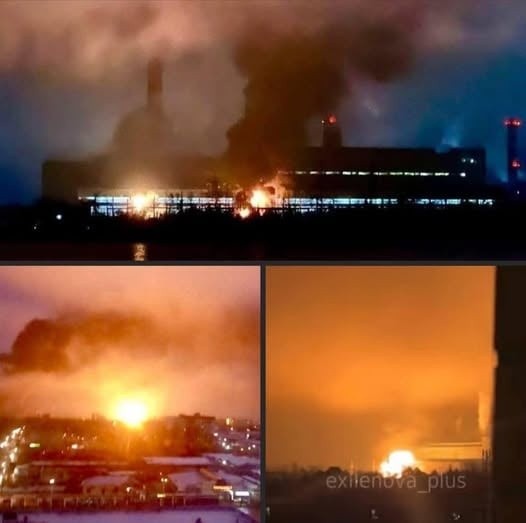
Worldwide Emergency Alert Sends Shockwaves: What It Means for Global Security, Critical Infrastructure, and Public Safety
The message wasn’t framed like a routine test, and it didn’t carry the familiar tone people usually ignore. It arrived fast—on TVs, radios, and smartphones—cutting through ordinary life with a level of urgency that felt impossible to dismiss. In homes, offices, and crowded streets, people stopped mid-conversation to read the same stark notification. For many, it wasn’t just an alert. It was a sudden reminder that modern life can change in seconds.
Officials in multiple regions described the action as “precautionary,” emphasizing that emergency notification systems are designed to broadcast quickly when risks involve public safety. But to the public, the experience felt heavier than a technical warning. It sounded like the world’s pressure points—geopolitical tensions, cyber threats, and fragile supply chains—had finally pushed into the open.
A Global Alert That Exposes How Interconnected the World Has Become
Events like this highlight an uncomfortable reality: global stability and local stability are no longer separate. A disruption in one region can affect energy markets, shipping routes, food prices, and financial confidence elsewhere almost immediately. What used to feel like “far away” conflict now shows up as higher costs at the store, volatile markets, and nonstop breaking news.
This is why worldwide alerts—whether regional or international in scope—create such intense reactions. They don’t just warn about a single issue. They remind people how tightly connected national security, economic stability, and critical infrastructure have become.