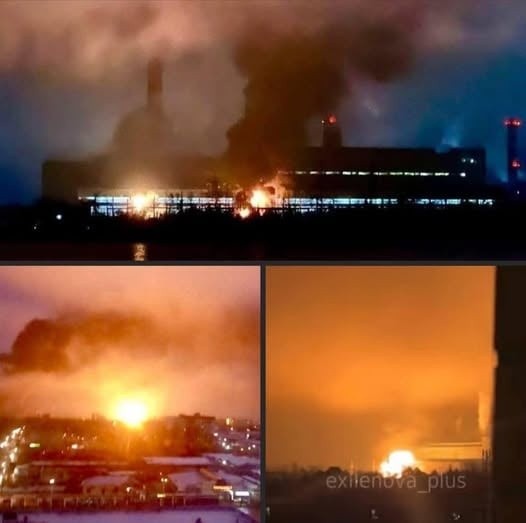
Why Emergency Broadcast Systems Trigger Instant Panic
Emergency alert technology is built for speed. A single signal can reach millions—sometimes billions—within seconds. That’s a powerful tool for public safety, but it also creates a new problem: information moves faster than clarity.
When official details are limited early on, a vacuum forms. Into that space rush speculation, unverified screenshots, and dramatic claims designed to go viral. In the hours after a major alert, people often search for a simple explanation:
- Was it a cybersecurity incident targeting power grids, airports, or communications networks?
- Was there a sudden escalation in a long-running dispute?
- Was it a precaution linked to a broader national emergency preparedness posture?
Without confirmed information, the alert becomes a mirror for collective anxiety—people project their biggest fears onto the same short message.
High Stakes, But Also a Rare Opportunity to De-Escalate
As unsettling as a maximum-level warning can feel, it can also function as a forcing mechanism—an urgent nudge that pushes institutions to communicate, coordinate, and reduce risk before a situation spirals. In a world where misunderstandings can escalate quickly, early warnings may help prevent worst-case outcomes by triggering rapid diplomacy and emergency planning.
It’s also a reminder that peace and stability aren’t automatic. They require constant maintenance: clear communication, credible leadership, and the willingness to step back from decisions that can’t be undone.
The Human Response: Communities Reconnect Under Pressure
After the first wave of fear, something else often appears: people check on each other. Neighbors talk. Families share updates. Younger people help older relatives navigate settings and alerts, while older generations provide perspective and calm. In tense moments, the usual divides—politics, status, background—tend to matter less than basic safety and shared reality.
That social instinct is important. In any crisis, community-level cooperation becomes a real form of resilience.
What Happens Next: Vigilance Without Panic
When the world enters a “wait and see” phase, stress rises. Every headline feels amplified. Every silence feels suspicious. But this is where responsible information habits matter most.
If you receive an emergency alert or see one trending online, the safest approach is practical and grounded:
- Rely on official public safety agencies and established news outlets for updates.
- Avoid reposting claims that don’t cite verifiable sources.
- Check on family members and ensure devices are set up for accurate alerts.
- Focus on preparedness basics—water, batteries, essential medications—without panic buying.
In an era of instant media, public stability depends on people choosing accuracy over adrenaline. The technology to warn everyone exists. The challenge is building the discipline to keep fear from doing more damage than the event itself.
The Bigger Lesson: Information Responsibility Is Now Part of Public Safety
Whether this alert becomes a footnote or a turning point will depend on what happens next—and on how leaders and citizens respond. The most important takeaway may be this: global risk is real, but so is global agency. Cooperation, verification, and calm decision-making can still change outcomes.
The world may not feel the same after a moment like this, but that doesn’t mean collapse is inevitable. It means awareness is unavoidable—and what we do with that awareness matters.
CTA: What do you think triggered the surge in emergency alerts—cybersecurity concerns, geopolitical escalation, or precautionary planning? Share your thoughts in the comments, and if you want more updates on global security and emergency preparedness, bookmark this page and check back soon.