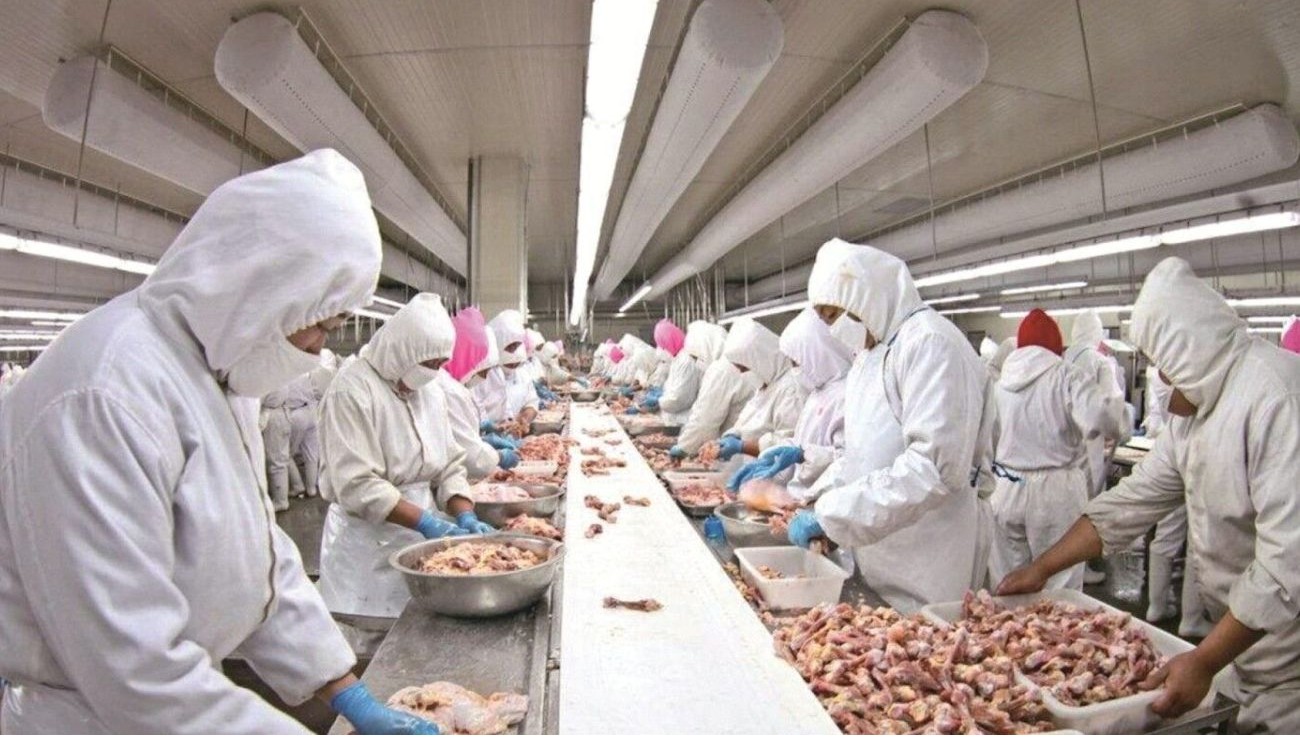
Why Viral Warnings About Imported Foods Keep Spreading Online
Every few months, alarming headlines about imported foods explode across social media feeds.
“Foods You Should Never Buy.”
“Dangerous Imports Found in Grocery Stores.”
“Experts Warn Consumers to Avoid These Products.”
The articles spread quickly because they combine three things people care deeply about: health, family safety, and everyday food choices.
Recently, online discussions have once again focused on imported products from China, including garlic, seafood, apple juice, soy sauce, mushrooms, and ginger. Many viral posts claim these foods may contain harmful chemicals, pesticides, unsafe additives, or questionable farming practices.
But how much of the concern is actually supported by science?
And how much is driven by fear-based internet content designed to generate clicks?
The Reality of Modern Global Food Systems
Today’s food supply chain is more international than ever before.
Many products found in grocery stores travel across multiple countries before reaching consumers. Seafood, produce, sauces, spices, and packaged foods are frequently sourced from global suppliers because demand often exceeds local production capacity.
China remains one of the world’s largest exporters of agricultural and food products, supplying ingredients and finished goods to countries around the globe.
Because of that scale, any controversy connected to imported products naturally attracts major attention.
However, food safety experts emphasize an important point:
Food safety issues are not limited to one country.
Regulatory violations, contamination events, and agricultural concerns can happen anywhere in the world, including domestic food systems.
Continue reading on the next page…