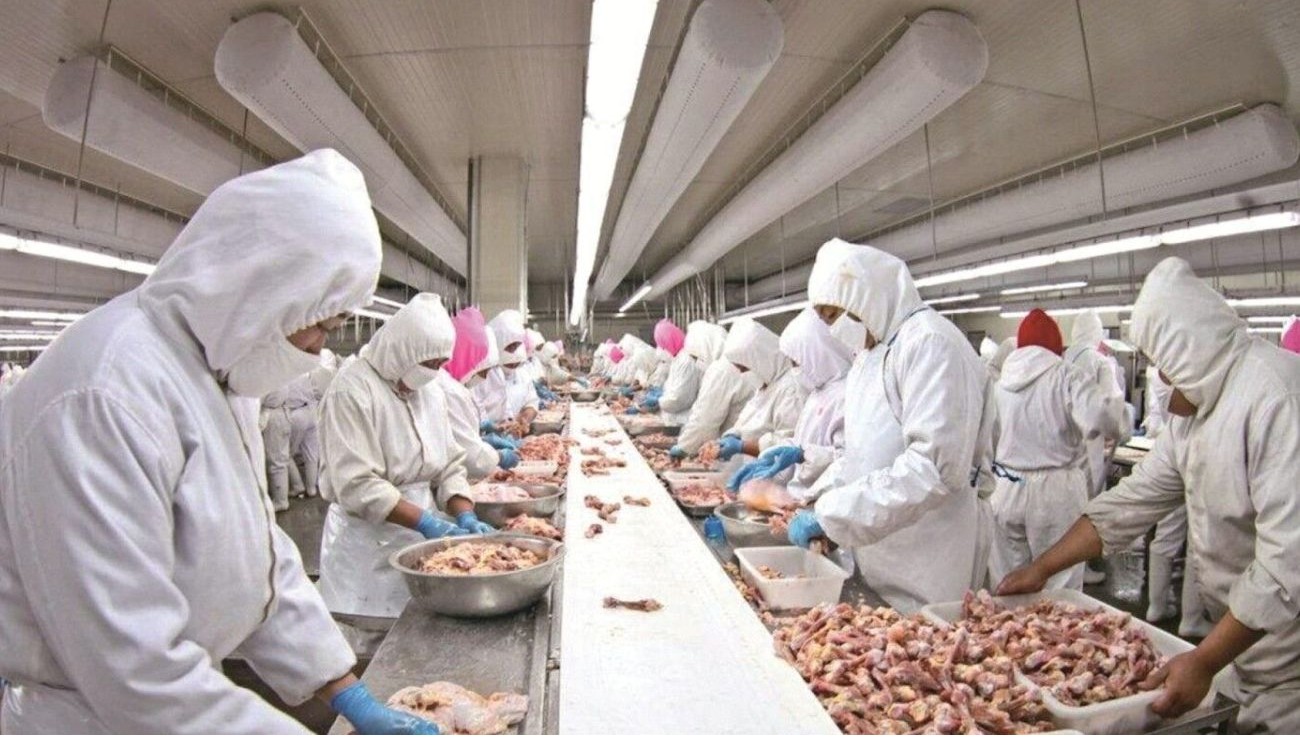
How Imported Foods Are Actually Regulated
One of the biggest misconceptions online is the idea that imported foods enter stores without oversight.
In reality, countries such as the United States maintain extensive inspection and testing systems for imported products.
Organizations like the U.S. Food and Drug Administration and the United States Department of Agriculture monitor food imports through:
Laboratory testing
Import inspections
Supplier verification programs
Contaminant screening
Recall systems
Pesticide residue analysis
When problems are identified, shipments can be rejected, recalled, or subjected to additional monitoring.
While no system is perfect, international food oversight has become significantly more advanced over the last two decades.
Why Seafood Often Becomes a Major Concern
Imported seafood regularly becomes one of the biggest targets of viral food safety discussions.
Fish such as tilapia and shrimp are commonly imported from several countries, including China, Vietnam, Thailand, Indonesia, and Ecuador.
Critics sometimes raise concerns about:
Farming conditions
Water quality
Antibiotic use
Environmental sustainability
However, nutrition and food safety experts warn against broad claims suggesting all imported seafood is unsafe.
Many imported seafood products are tested, certified, and monitored under international food safety standards before reaching retailers.
Consumers concerned about seafood quality are often encouraged to look for recognized sustainability or certification labels rather than relying entirely on social media claims.
The Truth About Garlic and Produce Warnings
Chinese garlic frequently appears in viral internet articles claiming imported produce contains excessive chemicals or preservatives.
Experts say several factors can explain differences in taste, appearance, or shelf life between imported and locally grown garlic, including:
Climate differences
Storage methods
Transportation time
Processing techniques
Agricultural practices
While pesticide concerns sometimes become legitimate regulatory discussions, experts caution that online posts often oversimplify complex agricultural issues or recycle outdated claims without context.
The Apple Juice Controversy Explained
One of the most widely discussed imported food controversies involved arsenic levels in certain apple juice products years ago.
The topic generated massive public concern after media reports highlighted testing results showing trace levels of arsenic compounds in some juice samples.
However, scientists later clarified that not all arsenic compounds carry the same health risk. Regulatory agencies also noted that trace substances can naturally occur in soil, water, and food products.
Since then, monitoring standards and testing procedures have continued evolving.
Nutrition experts today generally focus more on moderating sugar intake from juice rather than sensational contamination fears.
Why Fear-Based Food Stories Go Viral So Easily
Articles warning readers about “dangerous foods” perform extremely well online for one simple reason:
Food is emotional.
People naturally care deeply about what they eat and what they feed their families. Headlines suggesting hidden contamination or unsafe ingredients instantly trigger fear, curiosity, and urgency.
Social media algorithms amplify emotionally charged content because people are more likely to share stories that provoke strong reactions.
Unfortunately, this often allows dramatic claims to spread faster than balanced scientific explanations.
The Difference Between Awareness and Fear
Experts encourage consumers to approach viral food claims carefully and ask important questions before reacting.
For example:
Is the information based on recent scientific research?
Was the product officially recalled?
Are claims supported by regulatory testing data?
Does the article use exaggerated fear-based language?
Nutrition specialists emphasize that balanced eating habits and overall diet quality matter far more than isolated viral controversies surrounding individual foods.
How Consumers Can Make Smarter Food Choices
Food safety professionals recommend focusing on practical habits instead of panic-driven avoidance strategies.
Helpful recommendations include:
Buying from reputable retailers
Washing fruits and vegetables thoroughly
Reading ingredient labels carefully
Following official recall announcements
Diversifying food choices
Limiting highly processed foods
Staying informed through reliable scientific sources
These habits provide far more protection than reacting impulsively to alarming social media posts.
The Bigger Issue Behind Viral Food Fears
The growing discussion around imported foods reflects larger concerns many people have about globalization, industrial farming, and complex supply chains.
Consumers increasingly want transparency about:
Where food comes from
How products are grown
What standards are followed
How ingredients are processed
As public awareness grows, many companies are responding with improved tracking systems, certifications, and supplier accountability programs designed to strengthen consumer trust.
Why Balanced Information Matters
Food safety discussions are important.
Investigative reporting and consumer awareness have historically helped expose genuine safety problems and improve regulations worldwide.
But experts say accurate context matters just as much as awareness itself.
Fear-driven headlines without scientific explanation can create unnecessary panic and confusion, while balanced reporting helps people make informed decisions calmly and responsibly.
A Smarter Way to Think About Food Safety
In the end, curiosity about food safety is not a bad thing.
Wanting safe, high-quality food for yourself and your family is completely natural. But experts encourage consumers to rely on evidence, credible research, and balanced information instead of reacting purely to viral internet claims.
Modern food systems are incredibly complex, and responsible discussions require nuance rather than fear alone.
Because the smartest food choices usually come from informed thinking — not panic.
Join the Conversation
Do you pay attention to where your food comes from when shopping? Share your thoughts in the comments and follow for more insightful stories about health, nutrition, consumer trends, and the truth behind viral headlines.