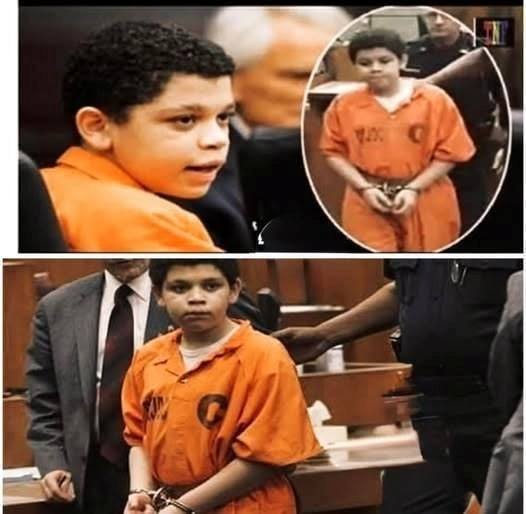
America’s Hidden Sentencing Crisis: Why Dozens of Kids Under 14 Are Still Facing Life Without Parole?
The United States is known for having one of the world’s largest prison populations. That reality is often discussed in terms of adult crime, public safety, and rising correctional budgets. But far less attention is paid to a disturbing corner of the system—cases where children are punished as if they were fully formed adults.
According to reporting and documentation from major human rights and legal advocacy groups, at least 79 minors who were under age 14 at the time of their offense have received life sentences without the possibility of parole. In practical terms, that means a child can be told by a courtroom: you will die in prison—before they’ve even reached high school.
A Juvenile Justice System Under Pressure
These cases raise urgent questions about juvenile justice reform, constitutional rights, and what “accountability” should look like when the defendant is 11, 12, or 13 years old. The debate isn’t only about punishment. It’s also about whether a child has the emotional development, impulse control, and long-term reasoning to truly grasp consequences the way an adult can.
Modern neuroscience has repeatedly shown that the brain regions tied to judgment and self-control continue developing well into a person’s twenties. Yet a life-without-parole sentence assumes something extremely permanent: that a child’s character is fixed, their future is predictable, and rehabilitation is pointless.