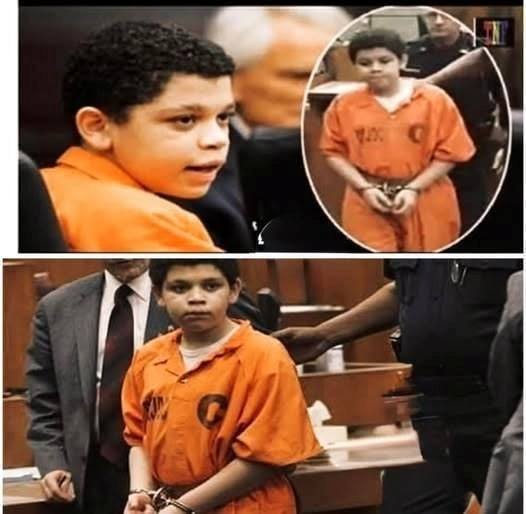
What These Cases Often Look Like in Real Life
When people imagine extreme sentences, they may picture rare, “worst of the worst” offenders. But many of these files tell a different story—one shaped by childhood trauma, unstable homes, untreated mental health needs, and communities struggling with poverty and limited access to support services.
In some cases, a child is swept into adult-level punishment through legal doctrines such as felony murder, where a person can be held responsible for a death that occurs during a crime—even if they did not intend to kill anyone or were not the primary actor. That legal structure can turn a terrible decision made by a young teen into a sentence with no exit.
How One High-Profile Case Changed the Conversation
One of the most widely discussed examples is the case of Lionel Tate, who was arrested at age 12 after the death of a 6-year-old girl. The defense argued the incident was a tragic accident during imitation play influenced by pro wrestling—an argument centered on a child’s inability to understand how dangerous certain actions can be.
He was initially sentenced to life without parole, and the case drew national attention because it highlighted how quickly the legal system can shift from treating someone as a child to prosecuting them like an adult. While his sentence was later revisited, the case remains a powerful reference point in ongoing debates about sentencing children and youth criminal responsibility.
Life Without Parole for Kids: The Human Cost
A life-without-parole sentence doesn’t just remove freedom—it removes hope. For children, that psychological weight can be crushing. Many are placed in adult facilities where they may face higher risks of violence, isolation, and limited access to age-appropriate education or rehabilitation programs.
Over time, these “juvenile lifers” grow old behind bars. Some eventually require extensive medical care, creating long-term costs for taxpayers. But the bigger issue is harder to measure: what it means for a society to lock away a person forever for something done before they were old enough to drive, vote, or legally work full-time.
Why the U.S. Stands Out Internationally
Internationally, many developed countries treat youth justice as a system built around rehabilitation and reintegration. The underlying belief is straightforward: children are more vulnerable to negative influence—but also more capable of change.
In the United States, decades of “tough on crime” policy helped normalize harsh sentencing, including the practice of trying children in adult court. Critics also point to long-standing inequities, arguing that race and geography can heavily influence who receives the harshest outcomes—an issue frequently discussed in broader conversations about criminal justice reform and sentencing disparities.
Legal Reform Is Happening—But Slowly
There has been movement at the federal level. In Miller v. Alabama, the U.S. Supreme Court ruled that mandatory life-without-parole sentences for juveniles violate the Constitution. But the decision left room for exceptions, allowing courts in some situations to impose life without parole if a youth is deemed beyond rehabilitation.
That standard is controversial because it can be deeply subjective. It may depend on the judge, the jurisdiction, the quality of legal defense, and how a child’s background is presented in court—factors that can vary widely from one case to the next.
The Bigger Question: What Should Justice Mean for Children?
The stories behind these sentences force the country to confront an uncomfortable question: Do we believe children can change? A justice system can protect public safety while still recognizing the difference between an adult and a 13-year-old. Real accountability can include serious consequences—without declaring a child permanently hopeless.
Until the U.S. tackles the conditions that funnel kids into courtrooms—such as family instability, violence exposure, untreated trauma, and lack of early intervention—the cycle will continue. And the public will keep discovering, years later, that children once sentenced to die in prison are now elderly inmates who never got a meaningful second look.
What do you think? Should life without parole ever apply to children under 14, or should every case include a real path to review and rehabilitation? Share your thoughts in the comments—and if this topic matters to you, subscribe or follow for more coverage on justice policy, legal reform, and real-world public safety solutions.