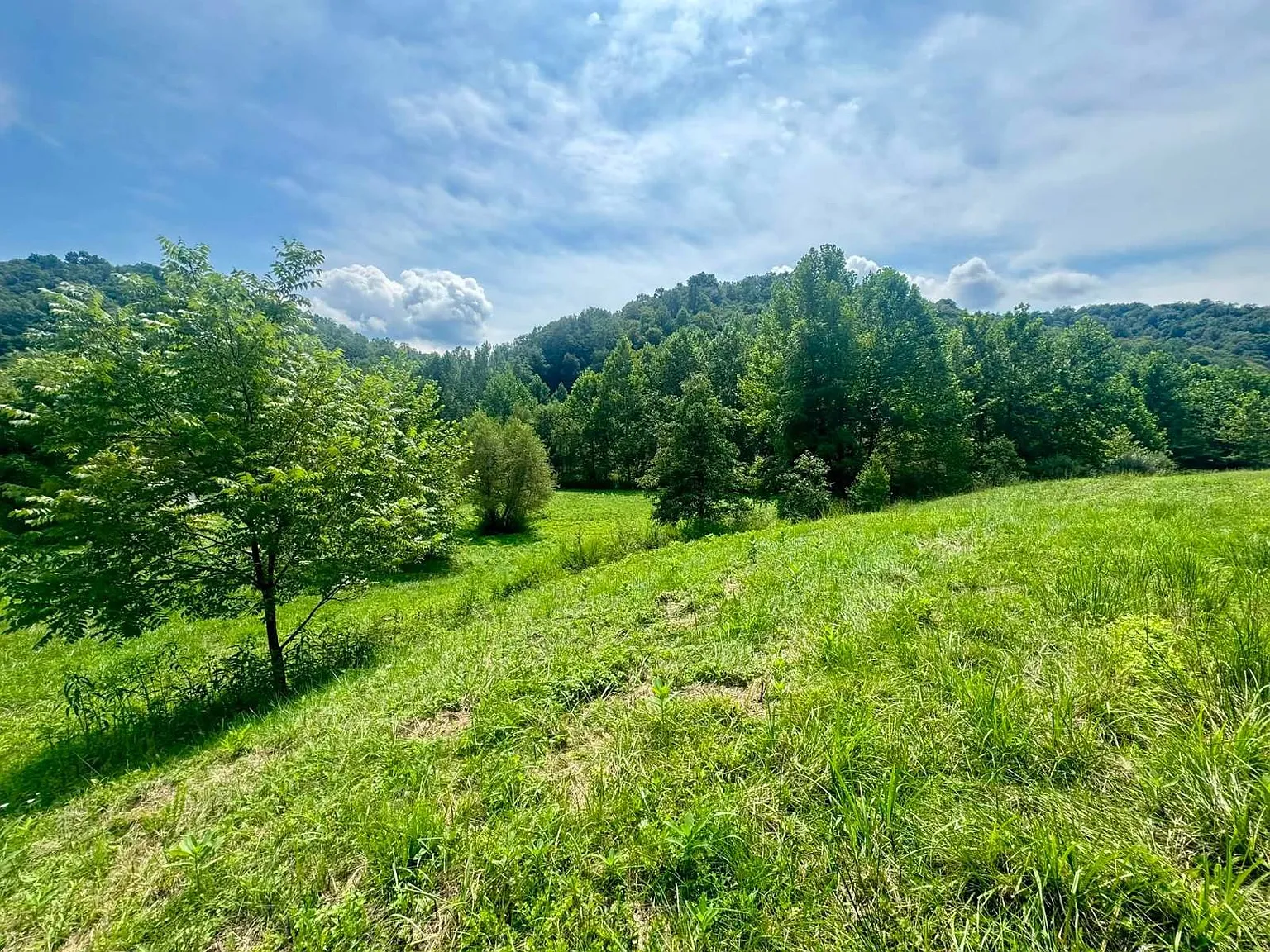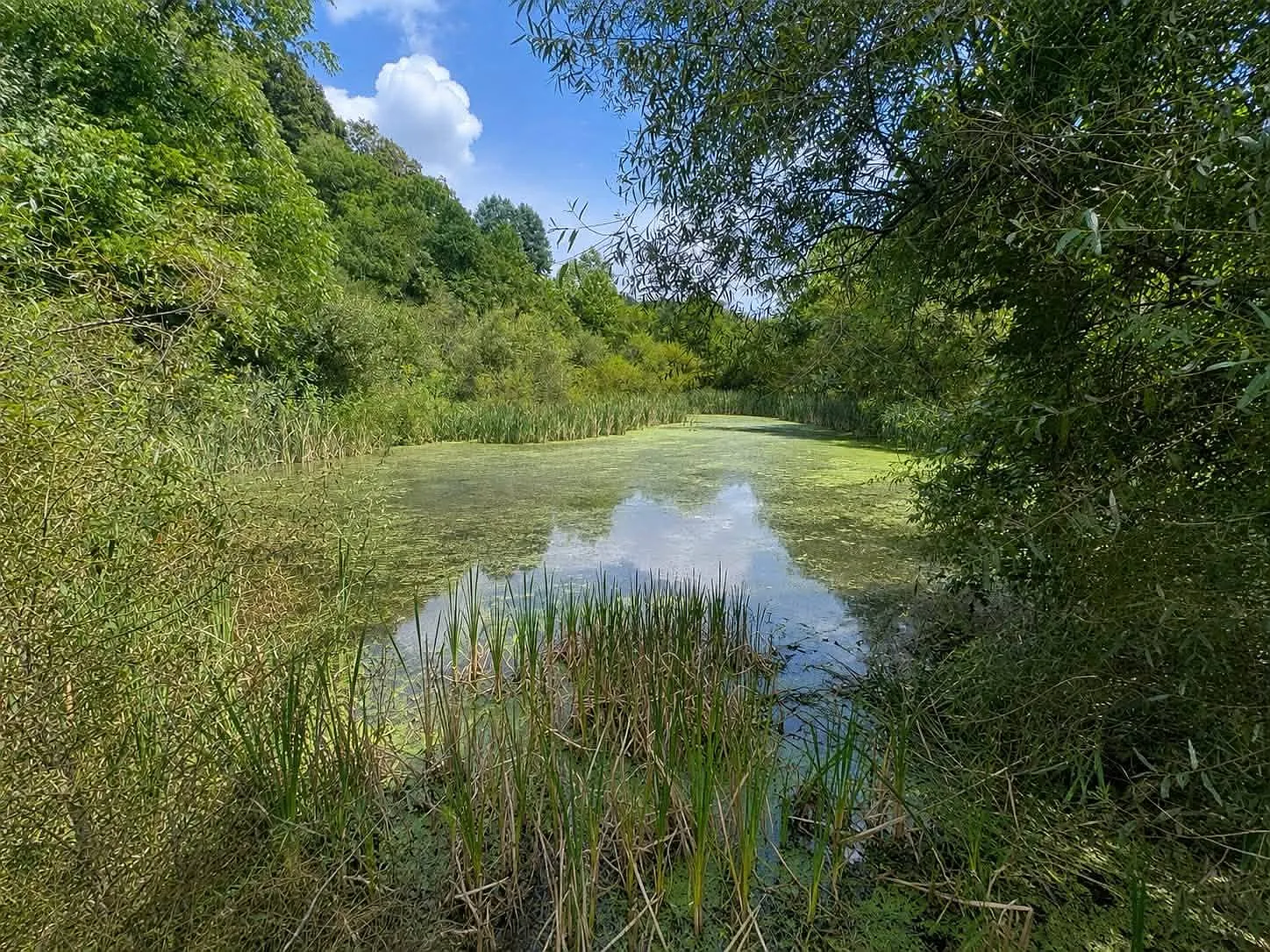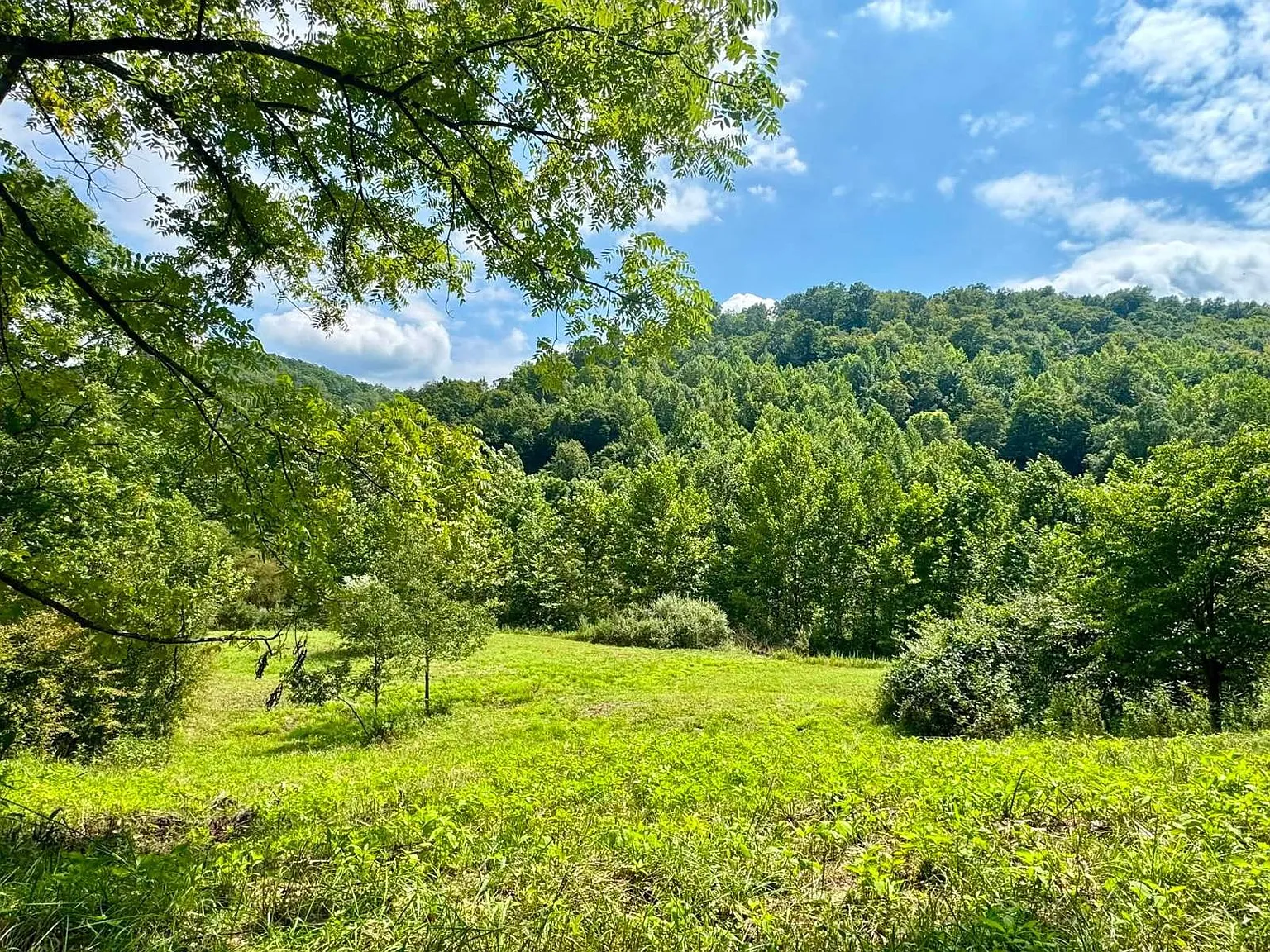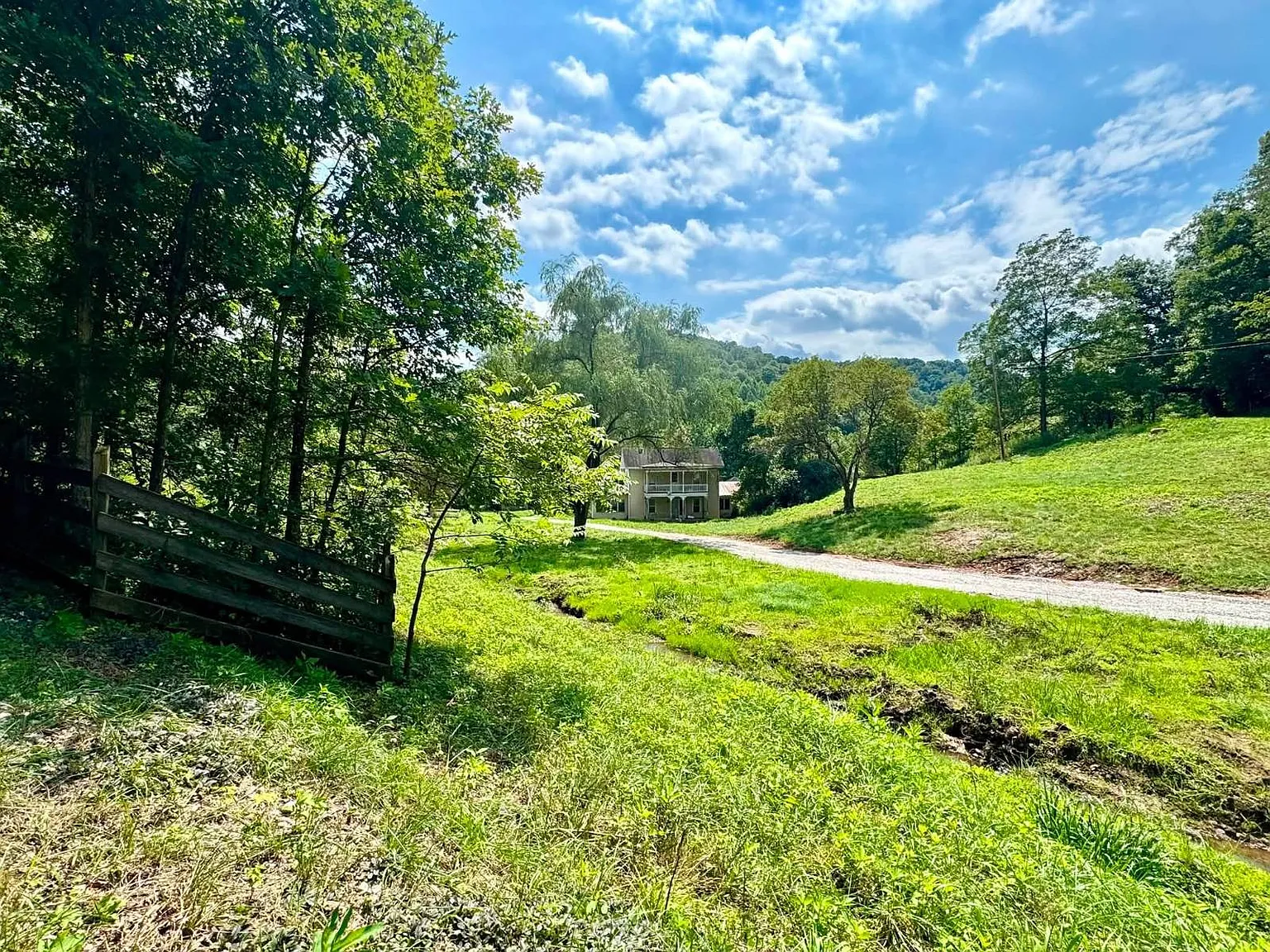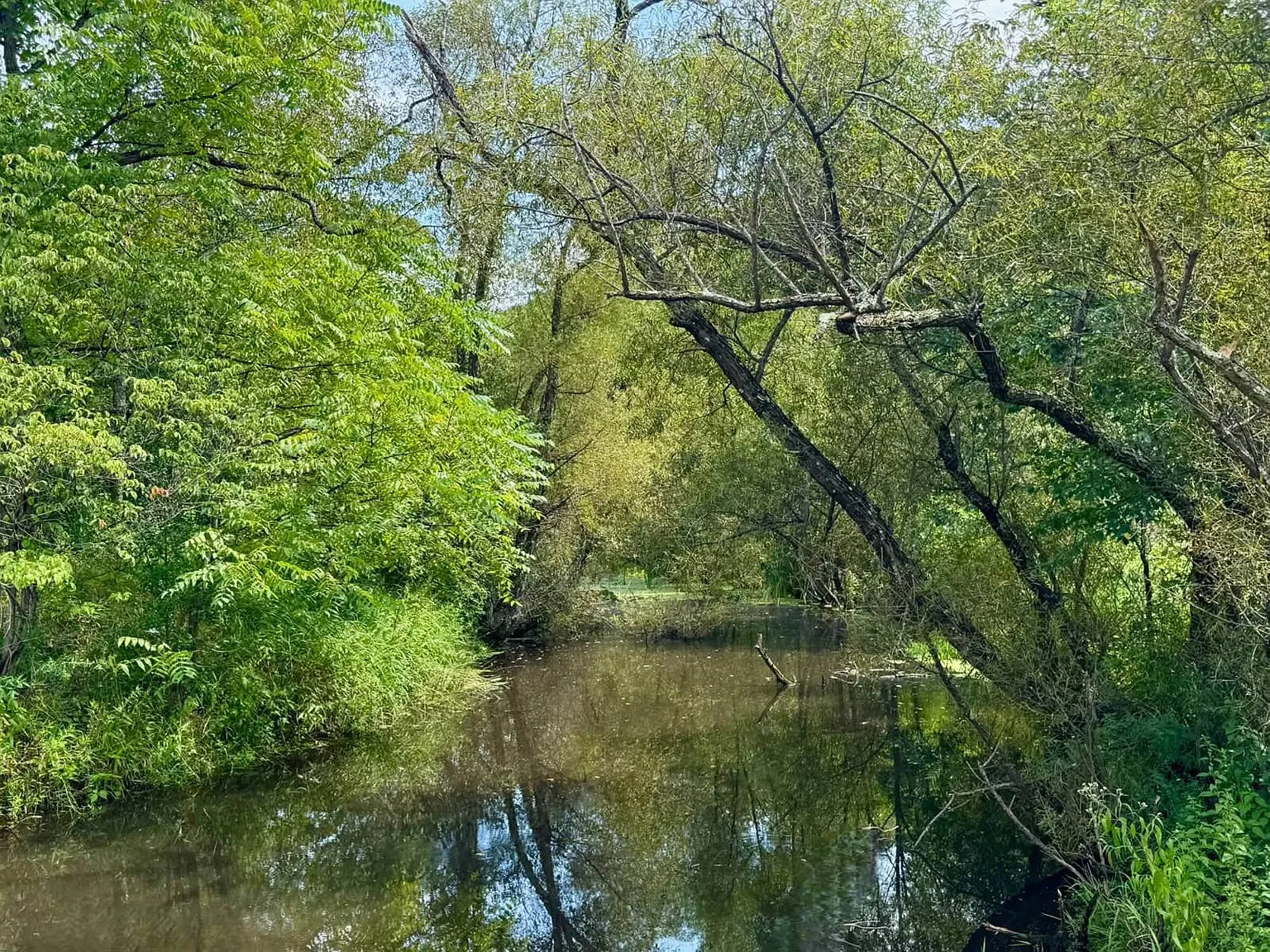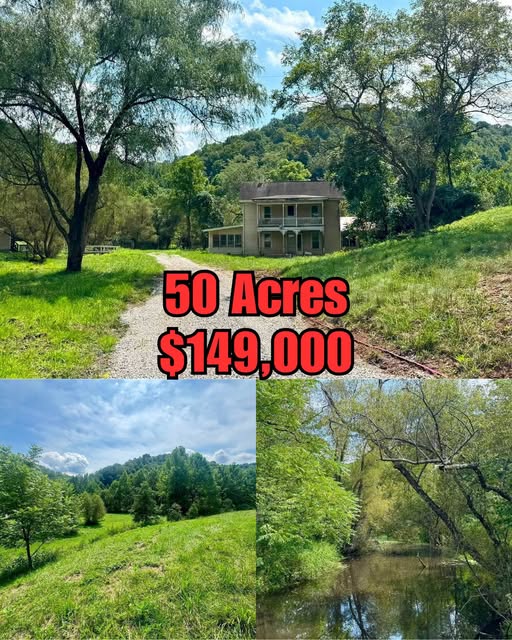
The two ponds are another feature likely to interest rural buyers. They could add scenery, wildlife value or potential recreation, but the listing does not provide details about their size, depth, condition or whether they are stocked. A buyer would need to inspect them directly and consider water levels, overflow, bank stability and drainage.
The property also has a natural spring along with a drilled well. That gives the land more than one water-related feature, but neither should be assumed ready for regular use without testing. Well flow, water quality and pump condition should be checked before relying on the system for a home, livestock or agricultural plans.
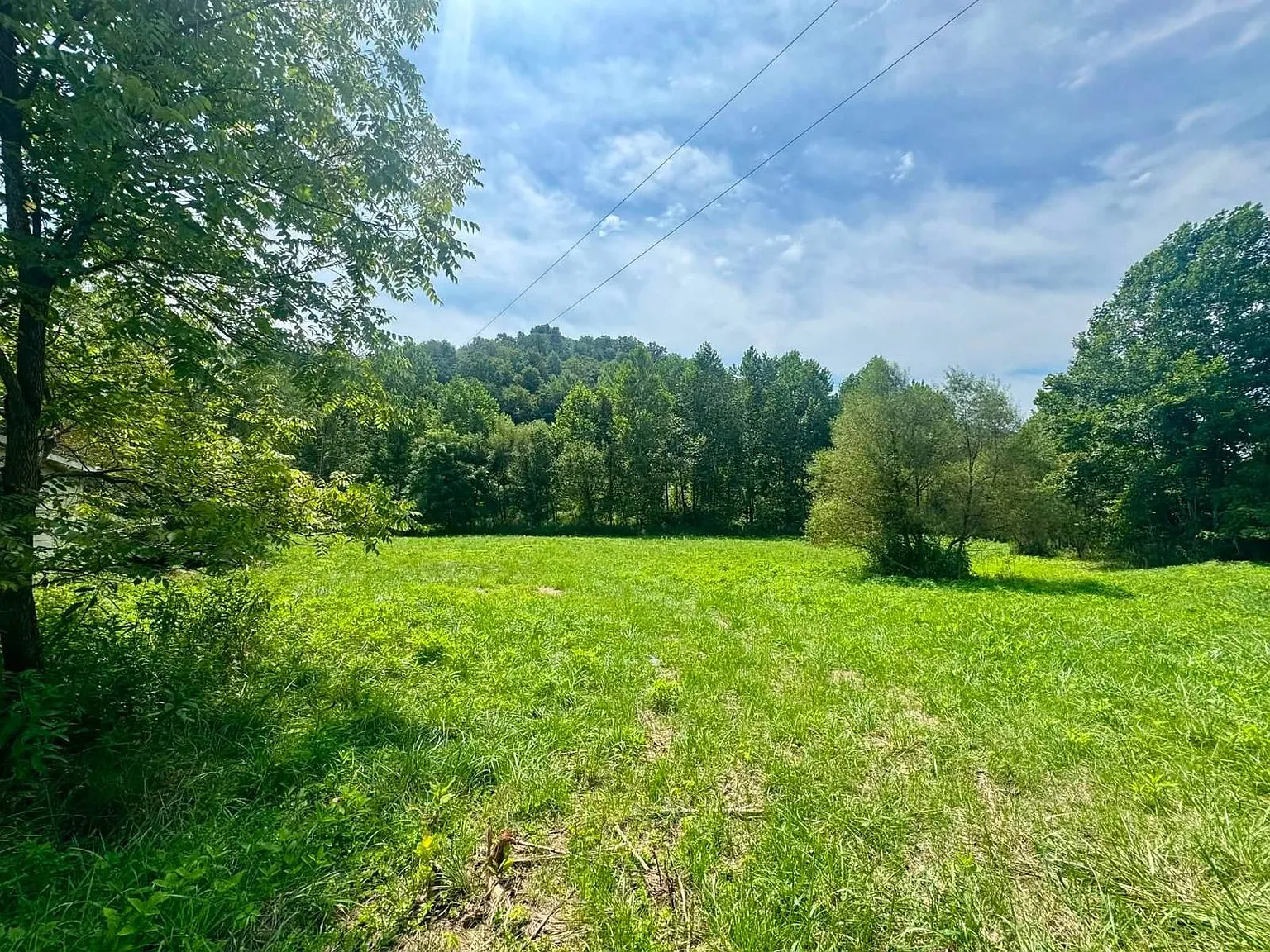
One of the more useful details in the listing is that there are multiple possible building sites outside the flood zone. That could matter for buyers who decide the existing house is too costly to restore and would rather build elsewhere on the acreage.
The Existing House Is the Big Question
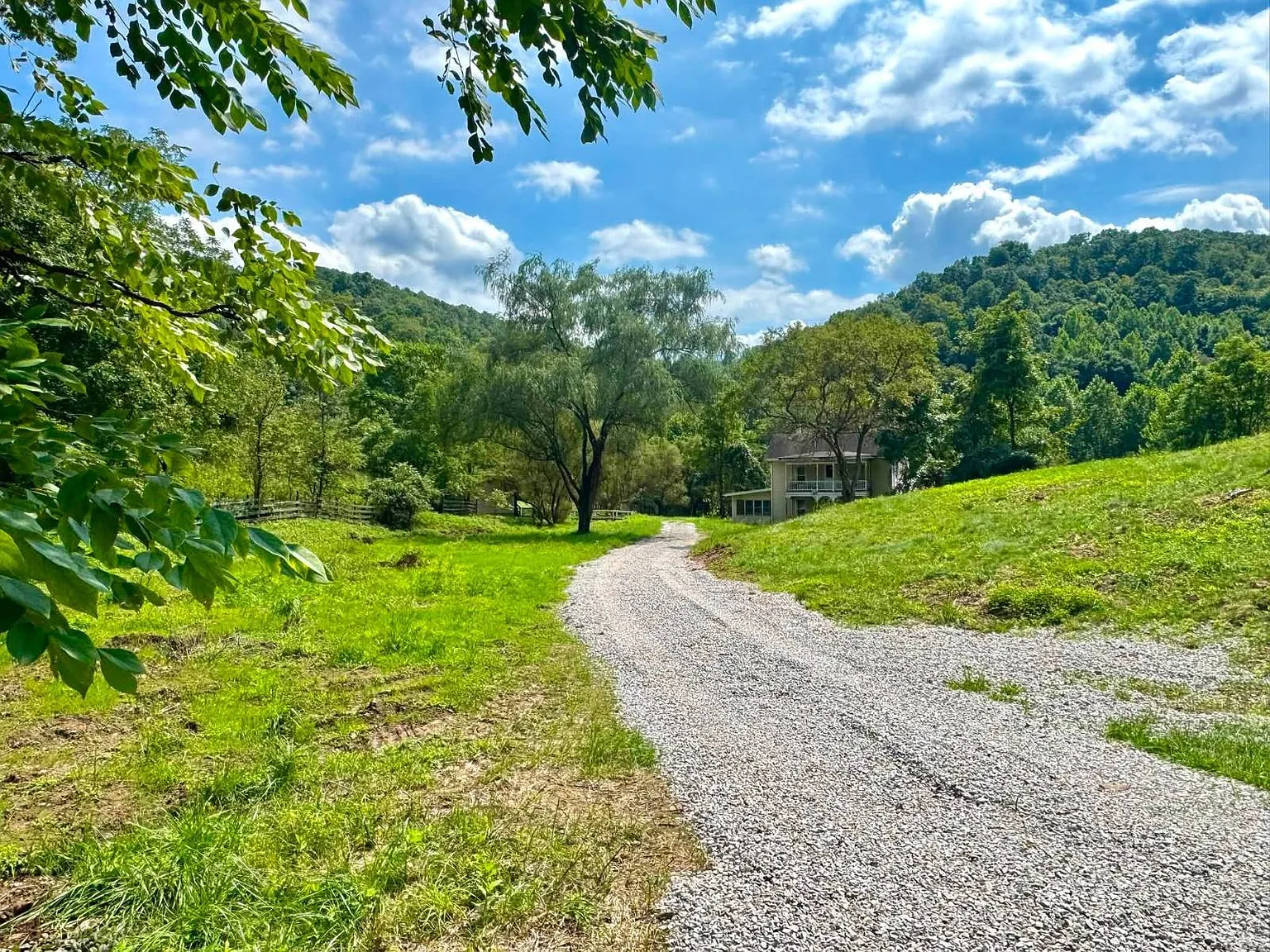
The property includes a home built in 1940, but the listing describes it as uninhabitable and in need of extensive structural work. That means buyers should not treat it as move-in-ready housing or assume it can be repaired cheaply.
An experienced renovator might see possibility in the old structure. Another buyer may decide that demolition and new construction would make more financial sense. Before making that decision, a professional inspection would be essential.
Key items to review would include the foundation, framing, roof, floors, moisture damage, plumbing, electrical systems, drainage and overall structural stability. If demolition becomes the better option, the buyer would also need to consider permits, debris removal, disposal costs and whether any existing utility connections could be reused.
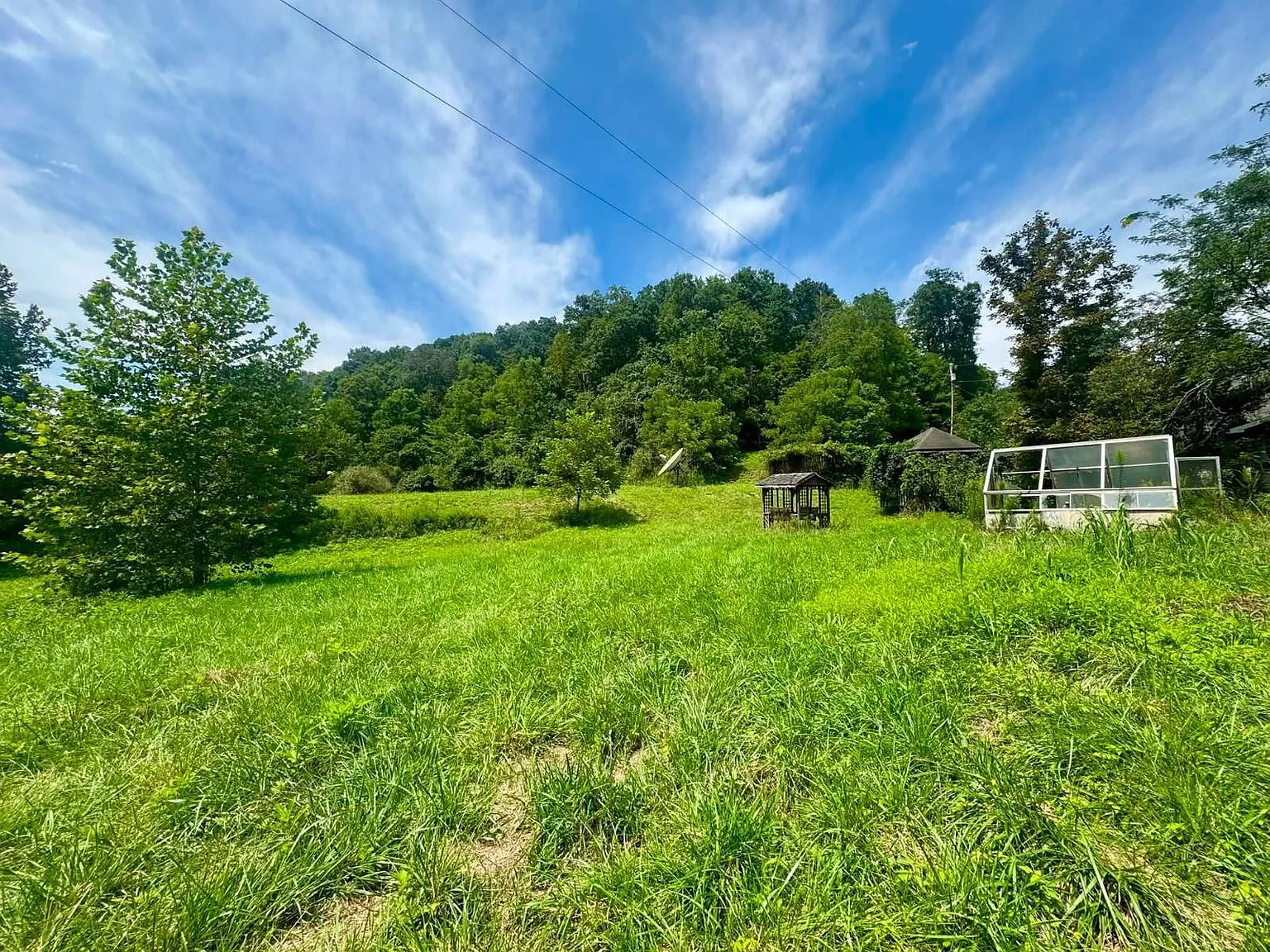
The two detached garages could become useful for storage, equipment, tools, vehicles, ATVs or workshop space. However, they are also described as needing cleanout and repair. Their roofs, framing, foundations, doors, electrical service, pest damage and moisture issues should all be inspected before assigning much value to them.
What Buyers Should Know
This is the kind of rural real estate listing where the purchase price is only part of the financial picture. The acreage may be appealing, but the true cost depends on inspections, repairs, road access, utility condition, site preparation and any future construction plans.
The property is described as less than eight miles from I-77, with access from the Medina or Rockport exit. The final stretch is more rural, with the property located on a gravel road about 1.5 miles from paved access. That makes year-round access an important factor, especially during heavy rain, snow or muddy conditions.
Buyers should also think about whether construction equipment, delivery trucks and emergency vehicles can easily reach the site. For anyone planning to build, road access can affect costs, timelines and contractor availability.
Before closing, a careful buyer would want to confirm boundaries, easements, timber rights, mineral rights, septic condition, well performance, zoning, setbacks, flood risk and the legal suitability of any planned home site. A current survey and professional inspections would be especially valuable.
Insurance may also be a consideration. Older structures, vacant homes, ponds, outbuildings and rural access can all affect what coverage is available and what it costs. Buyers planning to renovate or build should speak with insurance providers early rather than waiting until after closing.
At $149,000, the listing offers nearly 50 acres with pasture, woods, ponds, utilities and possible building sites in rural West Virginia. The tradeoff is that the existing 1940 house requires major work and may not be practical for every buyer.
For the right person, this could be the start of a homestead, retreat or recreational property. For others, the repairs and development costs may be too much. The real decision is not just whether the land has potential, but how much time, money and planning it would take to make that potential usable.
Would you try to restore the old house, or start fresh with a new build somewhere else on the acreage?