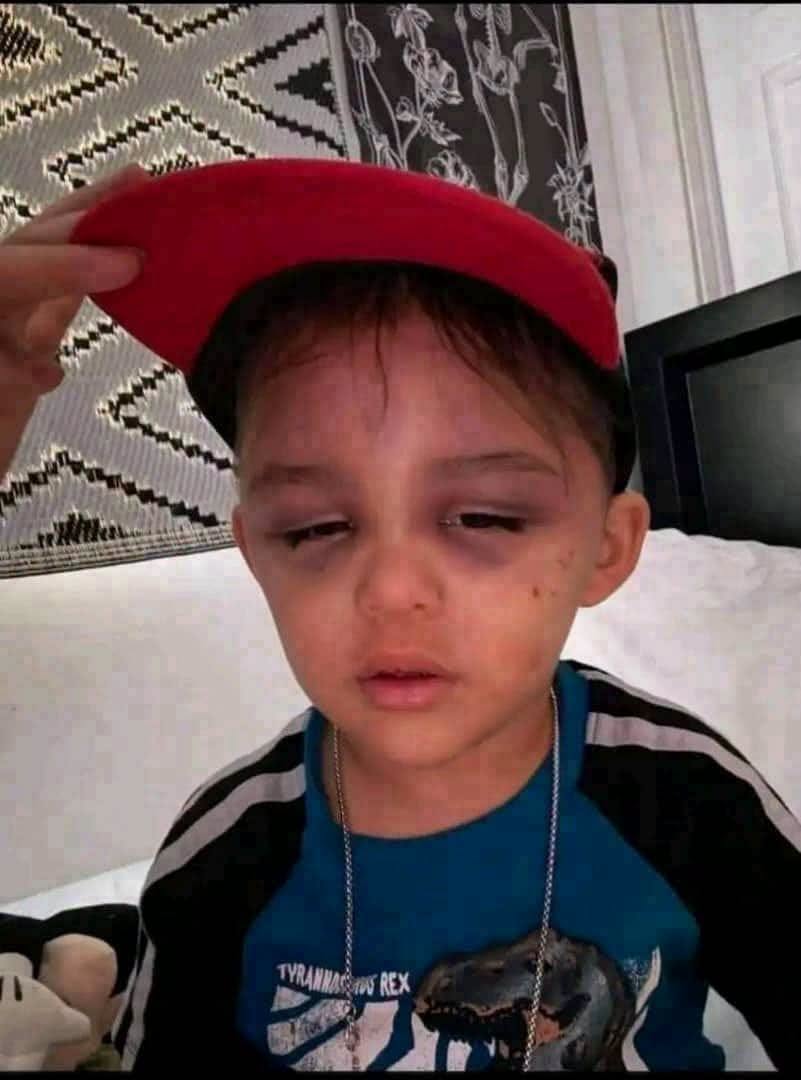
None of those signs automatically prove that a child is being harmed. Families can face stress, accidents happen, and situations are not always simple from the outside. But when something does not seem right, it is better to ask a careful question or seek guidance than to ignore a concern entirely.
Children may not know how to explain what is happening to them. They may be afraid, confused, or too young to describe an unsafe situation. That is why adults around them play such an important role in noticing changes and responding responsibly.
The Bigger Picture
Child protection is not only a legal issue. It can involve healthcare professionals, schools, social services, relatives, and the wider community. Each has a different role, but all share the same goal: making sure a child is not left without help when there are legitimate concerns.
Responsible action does not mean making public accusations or assuming the worst. It can mean documenting what was observed, speaking to a trusted professional, contacting local child welfare resources, or following established safeguarding procedures when a child may be in danger.
For teachers, healthcare workers, and others who work closely with children, training and reporting policies are especially important. For neighbors and relatives, it may be as simple as taking a concern seriously instead of dismissing it because it feels uncomfortable.
What Readers Should Know
The tragedy in this case cannot be undone. No investigation can restore a lost life, and no legal outcome can erase the grief carried by those who loved him.
Still, cases like this can remind communities to pay closer attention. Prevention depends on people being willing to listen, notice patterns, and ask for help when a child’s safety may be at risk.
If something feels wrong, pause and take it seriously. A single responsible action may not change the past, but it could help protect a child in the future.