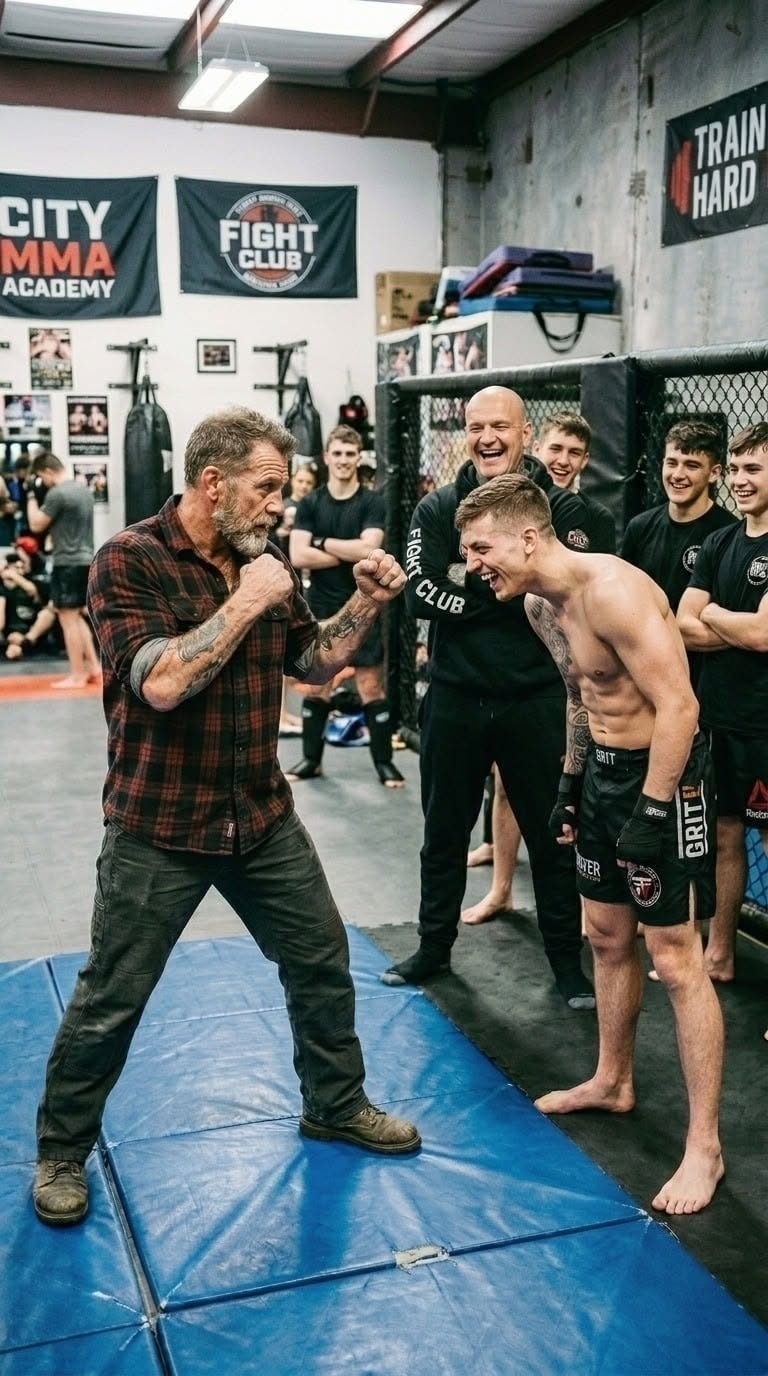
He explained who he was and what he had done for a living, not as a boast, but as a warning. These were not empty threats from an angry father. They were the words of someone who had trained men for combat and understood the cost of losing control.
Then he shifted the entire situation away from fists and toward consequences. Every mark on Marcy’s body could be documented. Every threat could matter. Every attempt to intimidate her could become part of a record.
That choice changed the meaning of the encounter. Walking away was not weakness. It was discipline.
Why This Matters
Stories like this stand out because they challenge the usual fantasy of revenge. Many people imagine an abuser being confronted with physical force, especially when a parent is protecting a child. But in real life, force can create new risks for the person being harmed and for the person trying to help.
Restraint can be a form of protection. Documentation, witness accounts, photos of injuries, saved messages, and safe communication with trusted people can all become important when someone is trying to leave a threatening situation. Anyone facing abuse should seek help from local professionals, support organizations, or emergency services if there is immediate danger.
The father’s real fight was not in the gym. It was beside Marcy, helping her regain safety, confidence, and control over her own life.
The Bigger Picture
The most powerful part of the story is not that he knew how to hurt someone. It is that he knew when not to.
His rule was simple: never lay a hand on a civilian. In the face of anger, fear, and a daughter in pain, he stayed loyal to that rule and focused on what could actually protect her moving forward.
Sometimes strength is not shown by what a person can do in a fight, but by what they refuse to do when everyone expects them to lose control.