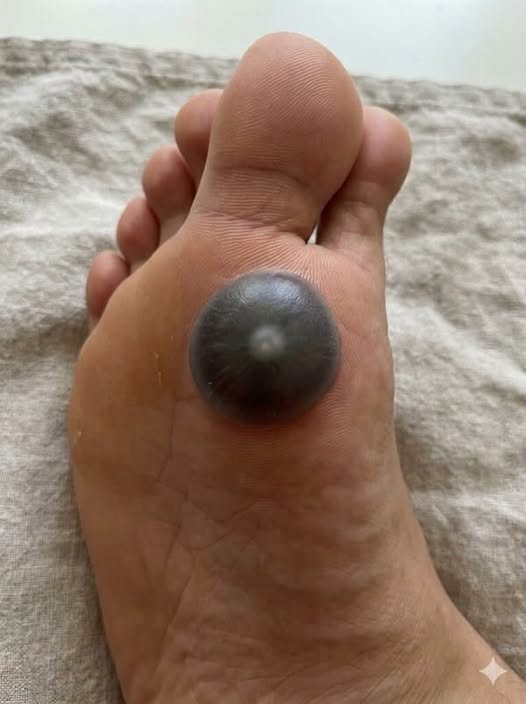
Children may not remember a specific injury. A blister can develop after a long day in shoes that rub, after sports, or after a small impact that did not seem important at the time. The spot may feel tender, raised, or pressure-sensitive, especially if it is on a weight-bearing part of the foot.
Even so, appearance alone is not enough to confirm the cause. A clinician can check the area’s warmth, swelling, circulation, depth, and the child’s ability to move the foot, which a picture cannot show.
Warning Signs Parents Should Not Ignore
Some symptoms can point to infection, inflammation, or another problem that needs prompt care. Parents should pay attention if the skin around the spot becomes increasingly red, hot, swollen, or tender. Pus, spreading swelling, fever, unusual tiredness, or red streaks moving up the foot or leg are also warning signs.
It is also important to act quickly if the child refuses to walk, cannot put weight on the foot, has severe pain, or cannot move the toes or ankle normally. Numbness, a pale or unusually cold foot, or a color change spreading beyond the spot should be treated as more urgent.
Urgent care or an emergency department may be appropriate if there was a possible puncture wound, burn, bite, chemical exposure, or rapidly worsening swelling. Children with diabetes, circulation problems, or a weakened immune system may need faster evaluation because foot injuries can become more serious.
What To Do Before a Clinician Sees It
The most important rule is simple: do not cut, pop, squeeze, or drain the spot at home. Opening the skin can introduce bacteria, increase pain, and make an infection more likely. Household remedies or strong antiseptics can also irritate the tissue and make the area harder to assess.
While waiting for medical guidance, keep pressure off the foot as much as possible. Avoid tight shoes and strenuous activity. If the skin is not open, a clean, loose dressing may help protect the area without adding pressure.
Parents can gently observe useful details without manipulating the mark. Is it soft and fluid-filled or firm and hot? Is it growing over a few hours? Is redness spreading? Can the child move the toes and ankle? These details can help a pediatrician, urgent-care provider, or emergency clinician decide how quickly the child needs to be seen.
Most minor foot blisters and small injuries can be treated successfully, especially when they are handled early and kept clean. The goal is not to assume the worst, but to separate a routine injury from something that needs medical treatment.
When a painful foot mark appears suddenly and affects how a child walks, a qualified healthcare professional is the safest place to turn next.