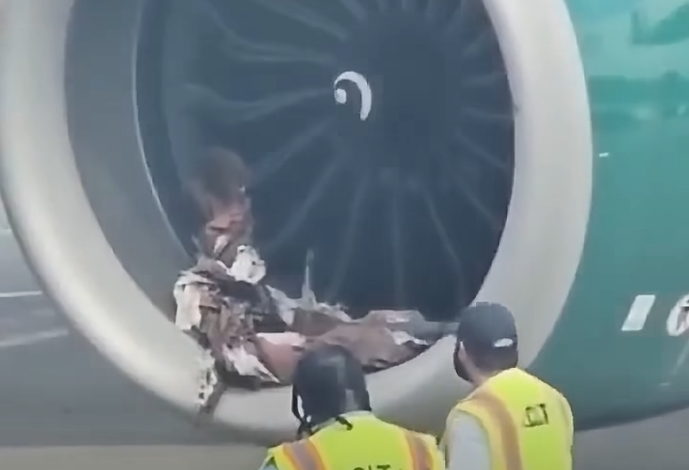
Once the hose was ingested, the aircraft was grounded for inspection. In aviation, even a ground incident can trigger a detailed maintenance review, especially when an engine may have been affected. That process is not something airlines can rush, even when passengers are already onboard or waiting at the gate.
Passengers faced a long delay while Frontier worked to arrange another plane. According to the source report, the wait stretched to nearly nine hours before travelers were able to continue their trip on a replacement aircraft.
Why the Delay Took So Long
For travelers, a delay of that length can feel difficult to understand, especially when the aircraft never left the ground. But when an engine takes in foreign material, the airline must confirm the aircraft is safe before it flies again. That can involve inspections of engine components, review by maintenance teams, and coordination with airport and airline operations.
Finding a replacement jet during a busy operating day can also be complicated. Airlines have to consider aircraft availability, crew schedules, gate space, and downstream delays. Moving one plane into place can affect other flights across the network.
For passengers, the impact is immediate: missed connections, changed hotel plans, rescheduled meetings, and added meal or transportation costs. Travelers dealing with major delays may want to review the airline’s customer service policies and, if they purchased travel insurance, check whether delay-related expenses are covered under their plan.
What Readers Should Know
Incidents like this are exactly why aircraft are taken out of service after possible engine damage. A grounded plane may be frustrating for everyone waiting to travel, but it is also a key part of aviation safety. If an engine may have ingested equipment or debris, the safest decision is to stop the flight and inspect the aircraft.
The event also highlights how much of air travel depends on the work happening outside the cabin. Ground crews, pilots, maintenance technicians, and airport operations teams all have roles in keeping equipment, aircraft, and passengers safely separated on the ramp.
For passengers, the main takeaway is practical: build extra time into important trips when possible, keep essential items in a carry-on, and know your options if a delay affects hotels, connections, or prepaid plans.
The Frontier flight eventually continued with a different aircraft, but the incident is a reminder that sometimes the safest flight is the one that waits on the ground.