That distinction matters in everyday kitchens, grocery stores, restaurants, and food supply chains. Produce safety depends on handling, storage, sanitation, and the conditions under which food is grown and distributed. When any part of that process fails, the result can be serious.
For consumers, the practical takeaway is not fear. It is awareness. Washing hands, keeping kitchen surfaces clean, separating raw foods, following storage guidance, and paying attention to food recalls are simple habits that can reduce risk. Anyone with a weakened immune system, ongoing health condition, or specific medical concern should follow guidance from a qualified healthcare professional about higher-risk foods.
The Bigger Picture
The case also points to a larger issue in modern wellness culture. Words like natural, clean, and organic can make food feel safer, but they do not erase microbial risk. Safety is not just about how healthy a food sounds. It is also about how it was produced, transported, stored, and prepared.
That is why food safety transparency matters. Consumers rely on farms, suppliers, retailers, and regulators to manage risks that are impossible to detect at home. When contamination happens, the consequences can reach far beyond one household, affecting families, healthcare systems, and public trust in the food supply.
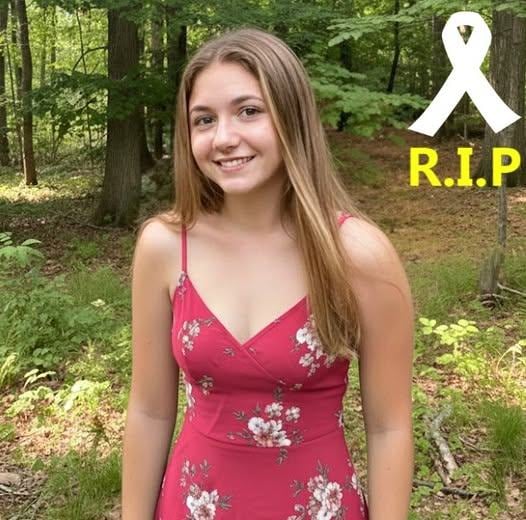
Her story is painful because it involved someone who appeared to be trying to do everything right. It is also a reminder that prevention includes more than choosing nutritious foods; it includes respecting the invisible risks that can come with them.
Fresh food can still be part of a healthy life, but stories like this encourage all of us to look more carefully at what safety really means.