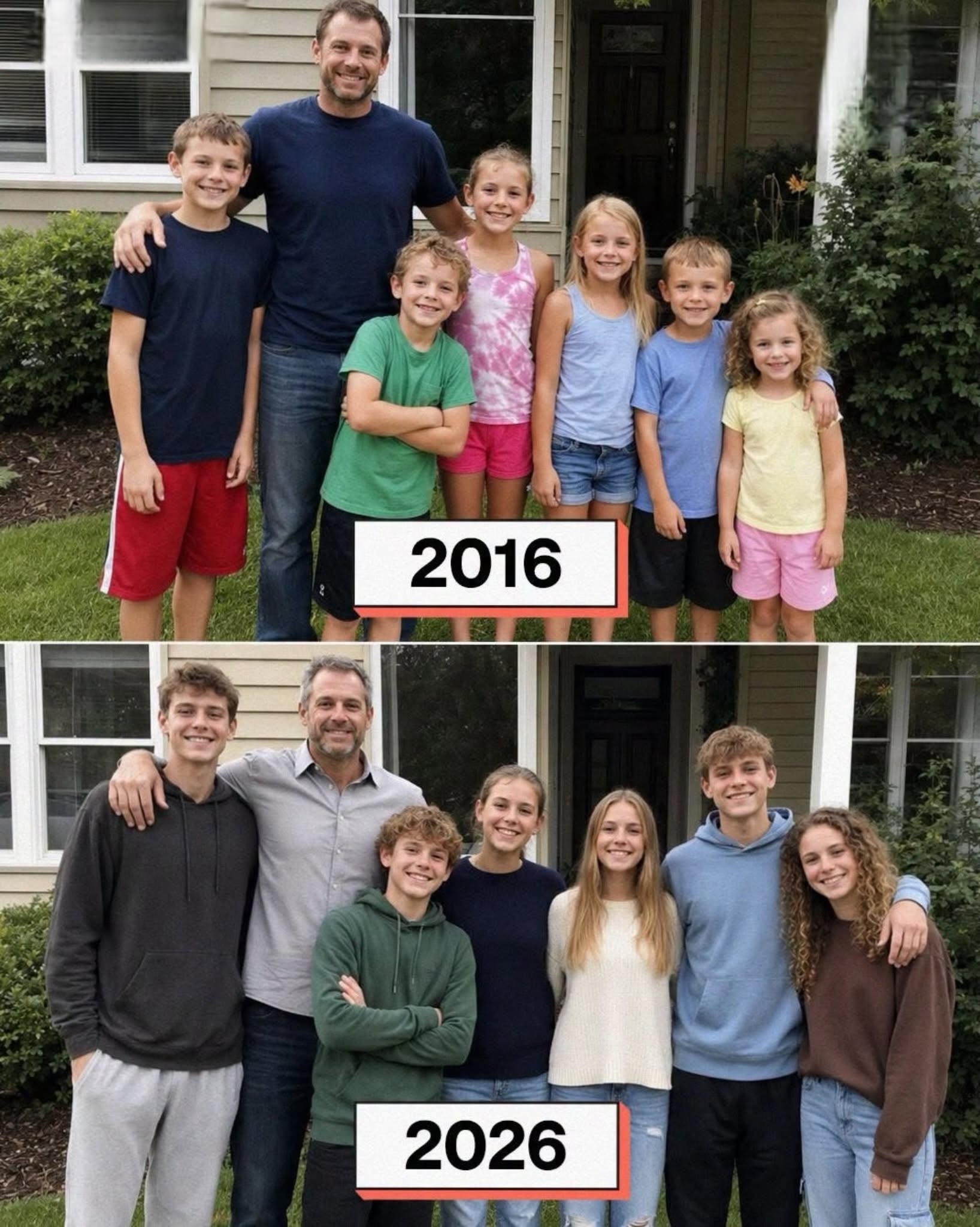
The Letter Claire Never Got To Explain
Inside, Claire had written what she had never managed to say out loud. Years before she met Ethan, doctors had diagnosed her with a serious heart condition. According to the letter, only her mother knew.
Claire had not wanted her children to grow up believing their mother was dying. She told herself there was still time, that treatment could wait, and that she could keep life steady for the people who depended on her.
By the time she and Ethan were engaged, the condition had worsened. But she kept acting as if nothing was wrong.
Then came the part of the letter that changed everything.
Claire described the day at the beach. While Ethan was buying lunch, she felt a crushing pain in her chest. She did not want the children to watch her collapse, so she moved quietly toward the shoreline, hoping she could breathe through it before anyone noticed.
Instead, she suffered a massive cardiac event.
Her last memory, according to the letter, was falling into the water.
Ethan could barely process it. For years, he had lived with the same impossible question: if Claire had gone into the water, why had no one found her?
A Newspaper Clipping Connected The Missing Pieces
Noah then handed him another document. It was a newspaper clipping from ten years earlier.
The article described an unidentified woman found unconscious along a rocky shoreline nearly twenty miles away after a storm. She had no identification with her. Authorities were unable to determine who she was before she died in the hospital two days later.
The clipping included a blurred image of jewelry recovered with her.
Ethan recognized the necklace immediately. It was the same one he had given Claire on their second date.
The family’s missing person report had never been linked to the unidentified woman found miles away. The tide had carried Claire far from the beach where she disappeared, and the two cases had remained separate for a decade.
After finding the letter, Noah contacted the county medical examiner. Modern DNA testing later confirmed what the family had never known: the unidentified woman had been Claire.
For the first time in ten years, there was an answer. Not the one they had hoped for, but one that ended the silence.
Why This Matters
Stories like this carry an emotional weight, but they also point to the real importance of identification work, medical records, and advances in DNA testing. Families of missing people often live for years with uncertainty, and even one overlooked connection can leave grief suspended in place.
In Claire’s case, the truth did not erase the pain. It did give her children something they had never had: a confirmed place to mourn.
A month after the DNA results, the family held the funeral they should have been able to hold ten years earlier. Claire’s six children, now nearly grown, stood together and placed sunflowers beside her grave.
After everyone else left, Noah stayed with Ethan. He admitted he had blamed himself for years, wondering if he should have noticed something sooner or done something differently.
Ethan told him the truth as gently as he could: a child could not have been responsible for what happened that day.
Still, Noah’s answer was painfully honest. Children do not always understand that.
Several weeks later, another piece of Claire returned to them. As they sorted through her recovered belongings, they found a tiny folded note hidden inside the necklace.
It was barely bigger than a postage stamp.
In it, Claire thanked Ethan for loving her children as if they were his own. She wrote that they already had a father who loved them, but she had hoped they would also have someone willing to stay if she could not.
She also asked him not to spend his life waiting for her.
Those words reached Ethan after ten years of guilt, unanswered questions, and endless second-guessing. They did not give him back the years, but they gave him a kind of peace he had stopped expecting.
Six months later, the children planned a Father’s Day dinner. After dessert, Noah stood and raised his glass.
He reminded Ethan that he often told people he was not their real dad. Then he said what all six children seemed to feel: fatherhood was not only about biology.
Ethan had stayed through nightmares, homework, packed lunches, long workdays, and the hard years when grief made ordinary life feel impossible. He had never made them feel like a burden.
One by one, the children wrapped him in a group hug.
In that moment, Ethan understood something Claire had seemed to know long before he did. Family is not always defined by blood. Sometimes it is built by the people who keep showing up, day after day, until love becomes stronger than loss.
And sometimes, the truth arrives late, but still brings a family home to itself.