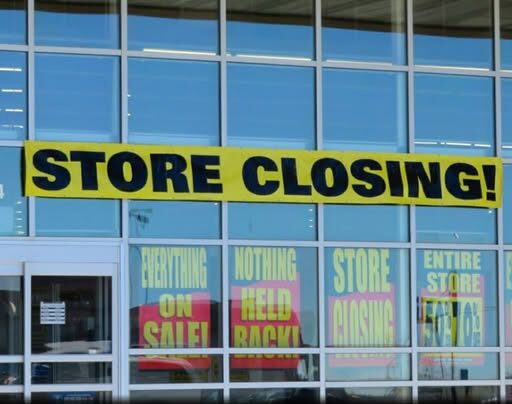
While the company continues to operate tens of thousands of locations globally, it is shifting focus toward updated store formats and expanded food offerings. Older and underperforming stores are being phased out as part of this transition.
Francesca’s Bankruptcy and Store Liquidations
Francesca’s is undergoing bankruptcy proceedings that include the closure of hundreds of stores.
The fashion and accessories retailer, once known for its boutique-style shopping experience, has struggled with debt and increasing online competition. Liquidation sales are underway across many locations, resulting in significant job losses.
Walgreens Adjusting Pharmacy Locations
Walgreens continues to reduce its store footprint as part of a long-term optimization plan.
The company is closing selected pharmacies based on performance, cost pressures, and changing industry conditions. While some closures are slowing compared to earlier projections, adjustments are still ongoing.
Wendy’s Closing Underperforming Restaurants
Wendy’s is closing a portion of its U.S. restaurant locations as part of a broader turnaround strategy.
The company is targeting weaker-performing stores in response to declining sales trends and shifting customer demand. At the same time, it is working to strengthen remaining locations.
Macy’s Store Closures and Retail Transformation
Macy’s is continuing its multi-year plan to close underperforming stores while investing in stronger locations.
The retailer aims to streamline its physical presence while focusing on upgraded stores that show better performance. This reflects a broader shift toward a more selective retail footprint.
Other Major Brands Making Cuts
Several additional retailers are also adjusting their physical store networks:
Pizza Hut is closing underperforming restaurants as part of a modernization plan.
Kroger is shutting down select grocery locations that are not meeting financial targets.
Saks Off 5th is reducing its store count during a broader restructuring process.
Carter’s is gradually closing stores while maintaining strong online and wholesale distribution.
REI is scaling back select urban locations as part of a strategic review.
Yankee Candle is closing a number of stores while restructuring operations.
Grocery Outlet is exiting weaker-performing locations in certain regions.
Apple is closing a small number of mall-based stores tied to declining retail traffic in those areas.
What This Means for Shoppers and Communities
For shoppers, these closures may lead to fewer nearby options for groceries, prescriptions, clothing, and dining. In some areas, customers will need to travel farther or rely more heavily on online ordering and delivery services.
For communities, the impact can be even broader. When major stores leave, local jobs, foot traffic, and surrounding small businesses can also be affected.
Looking Ahead
The retail industry is clearly entering a new phase shaped by digital growth, changing consumer expectations, and financial pressure on physical stores.
While some brands are shrinking their footprints, others are reinvesting in stronger locations or shifting toward hybrid online-and-in-store models.
The overall trend suggests continued restructuring rather than a full slowdown in change.
Final Thoughts and Reader Engagement
The retail landscape is evolving quickly, and 2026 is proving to be a major turning point for many well-known brands.
As stores close and strategies shift, everyday shopping habits are changing along with them.
What do you think about this wave of retail closures—are we losing something important, or simply adapting to a new way of shopping? Share your thoughts and stay tuned for more updates on how these changes continue to shape everyday life.